Skip to content

Learn AI for sales

Separate customer statements from assumptions and build grounded proposals and next questions.

Four stages, from first use to advanced practice

Start at stage one, or use the readiness criteria to choose your entry point. Check what you can produce, not just what you have read.

  1. 01

    Start · Make your first draft

    Try this

    Turn fictional notes into an invitation and compare it with the source.

    Ready to continue when

    You can distinguish supplied facts from added claims.

    Start this stage →
  2. 02

    Foundations · Revise and check

    Try this

    Change one instruction and check both inputs and outputs.

    Ready to continue when

    You can find missing facts or invented promises and explain your revision.

    Start this stage →
  3. 03

    Intermediate · Apply it at work

    Try this

    Follow a role course and produce a recognisable work deliverable.

    Ready to continue when

    You can present the source, deliverable and evidence for your review.

    Start this stage →
  4. 04

    Advanced · Evaluate and improve

    Try this

    Build a rubric and review flow, then test a new condition.

    Ready to continue when

    You can explain scope, stop conditions, improvements and limitations.

    Start this stage →My role's advanced project →

Learn by course

See all →
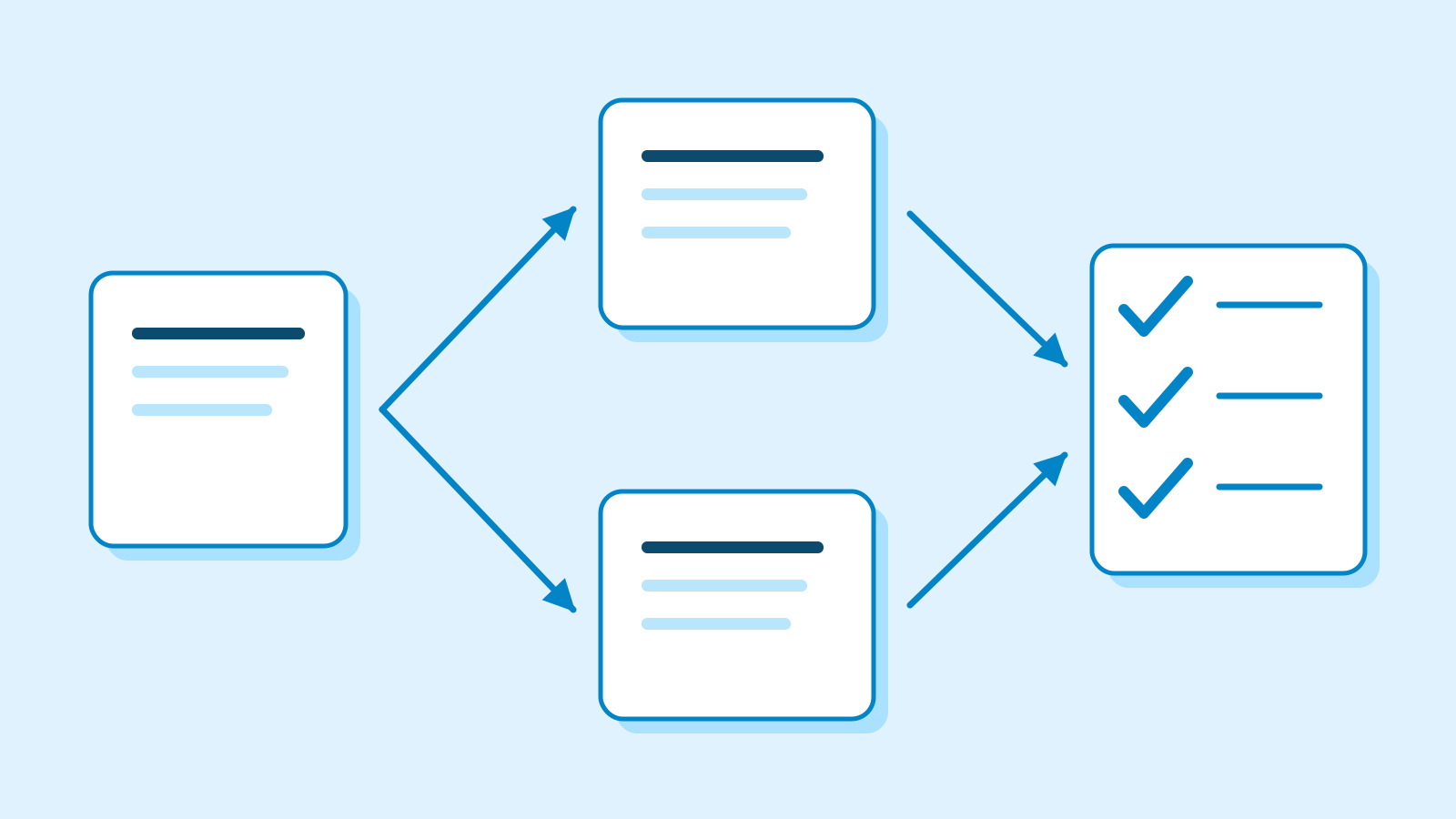
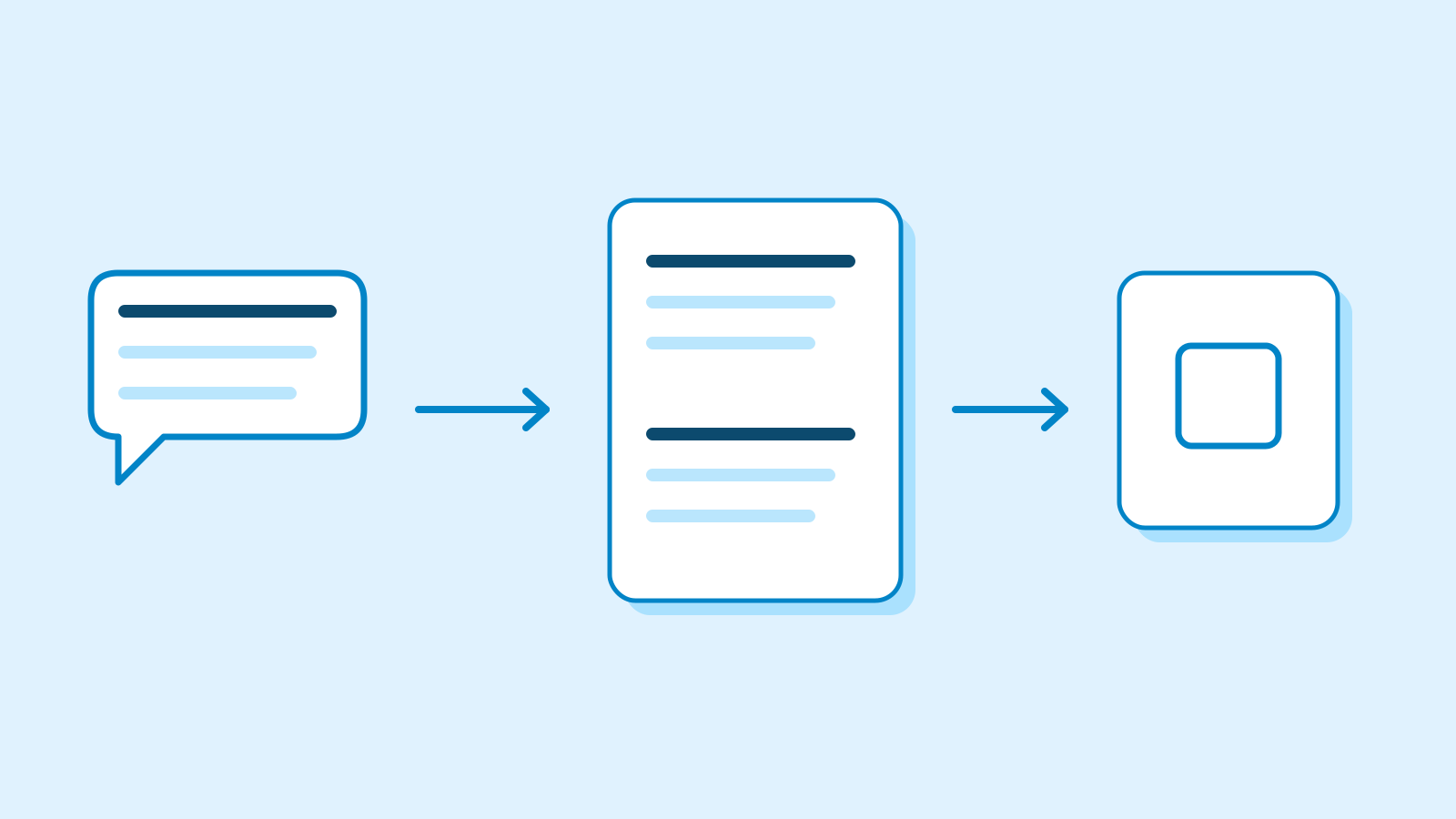
  • A learning flow from source material to the next decision

    Courses by roleSales

    Sales: from discovery to a grounded proposal

    Learn to interpret customer statements and propose only what product facts support.

    What you will be able to do

    • Distinguish interest, information requests and purchase commitments.
    • Connect verified product features to customer needs in a proposal.
    • Write questions that clarify objections and identify next actions.

    In this lesson

    1. Sales basics: understand discovery notes
    2. Sales intermediate: evidence-based proposals

    2 guidesAbout 30 min reading, plus practiceBeginner → Intermediate · practical
  • A desk with notes beside a conversation

    Start hereEveryone

    AI First Steps

    Start with a short invitation. Choose safe input, revise a request and check the answer, then explore how the tool works and what it costs.

    What you will be able to do

    • Turn notes into a short message and revise one part.
    • Choose appropriate input and distinguish facts from guesses.
    • Explain how replies are generated and how usage limits differ from charges.

    In this lesson

    1. Your first AI conversation: write a short invitation
    2. Before you paste: choosing suitable practice material
    3. How to write a prompt: why the same model gives completely different answers
    4. Why AI gets it wrong: where hallucinations come from and how to catch them
    5. What is an LLM? How ChatGPT actually produces an answer
    6. Tokens and costs: what does a long conversation use?

    6 guidesAbout 90 min reading, plus practiceBeginner

  • Two results compared against common evidence and criteria

    Going furtherEveryone

    Advanced practice: evaluate, review and improve

    After drafting work in your role, learn to evaluate it, design review points and measure a pilot. Complete three lessons without code, then apply them in a role project.

    What you will be able to do

    • Compare results consistently and verify changes on fresh cases.
    • Design drafting, review, approval and failure handling.
    • Choose adoption scope from quality and total work, including review and repair.

    In this lesson

    1. Evaluate AI work beyond first impressions
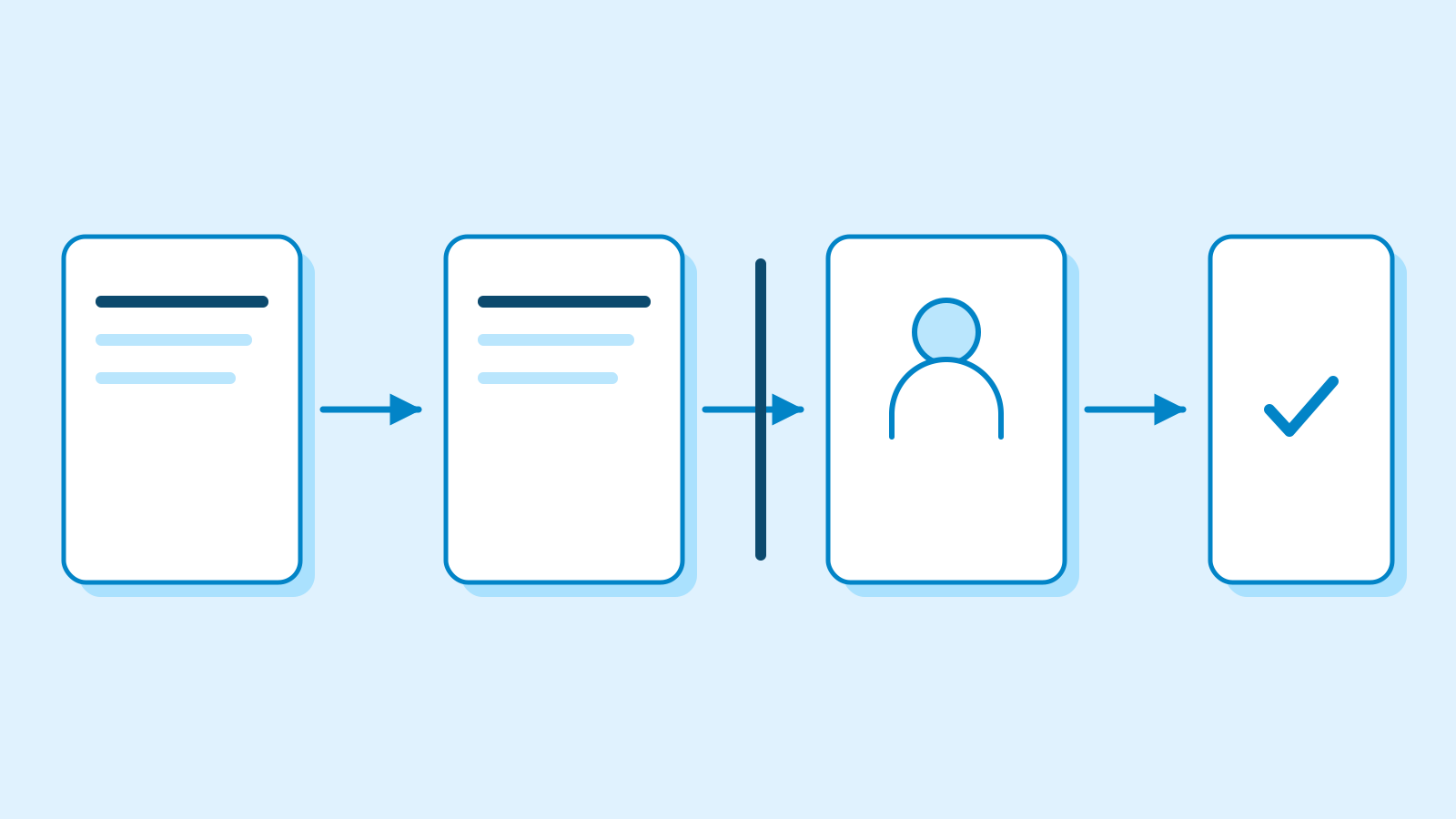
    2. Design an AI workflow with clear review points
    3. Measure an AI pilot and decide when to stop

    3 guidesAbout 54 min reading, plus practiceAdvanced

  • How-to guideAbout 18 min reading

    Evaluate AI work beyond first impressions

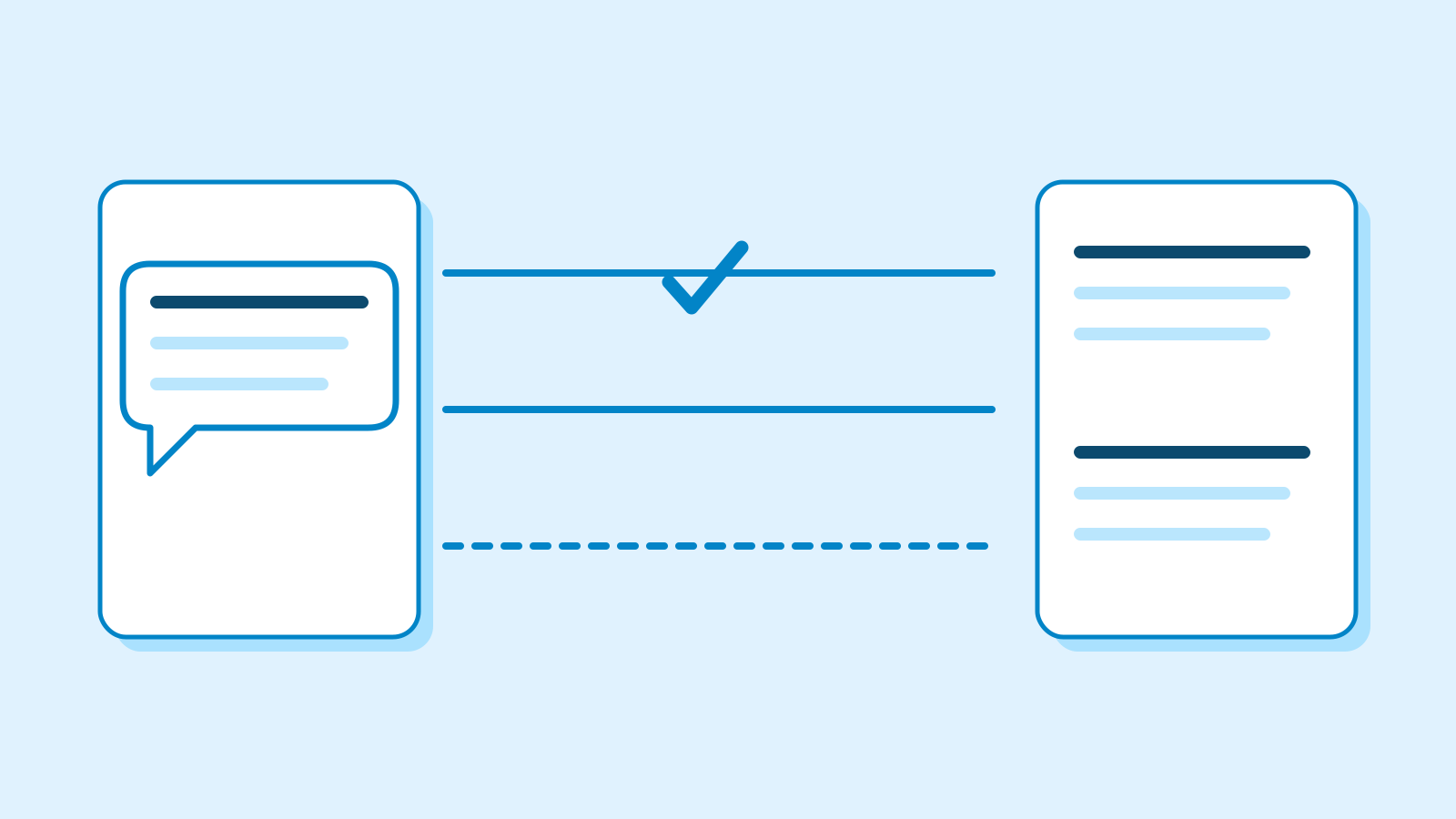
    Build a small evaluation set, compare drafts against evidence, change one instruction and test on a fresh case. No code required.

    AdvancedPlanningDesignersMarketersSalesProduct researchOffice workersDevelopers
  • How-to guideAbout 17 min reading

    Design an AI workflow with clear review points

    Map intake, drafting, review and approval. Walk through missing information and retries on paper, with explicit stop and handoff conditions.

    AdvancedPlanningDesignersMarketersSalesProduct researchOffice workersDevelopers
  • How-to guideAbout 19 min reading

    Measure an AI pilot and decide when to stop

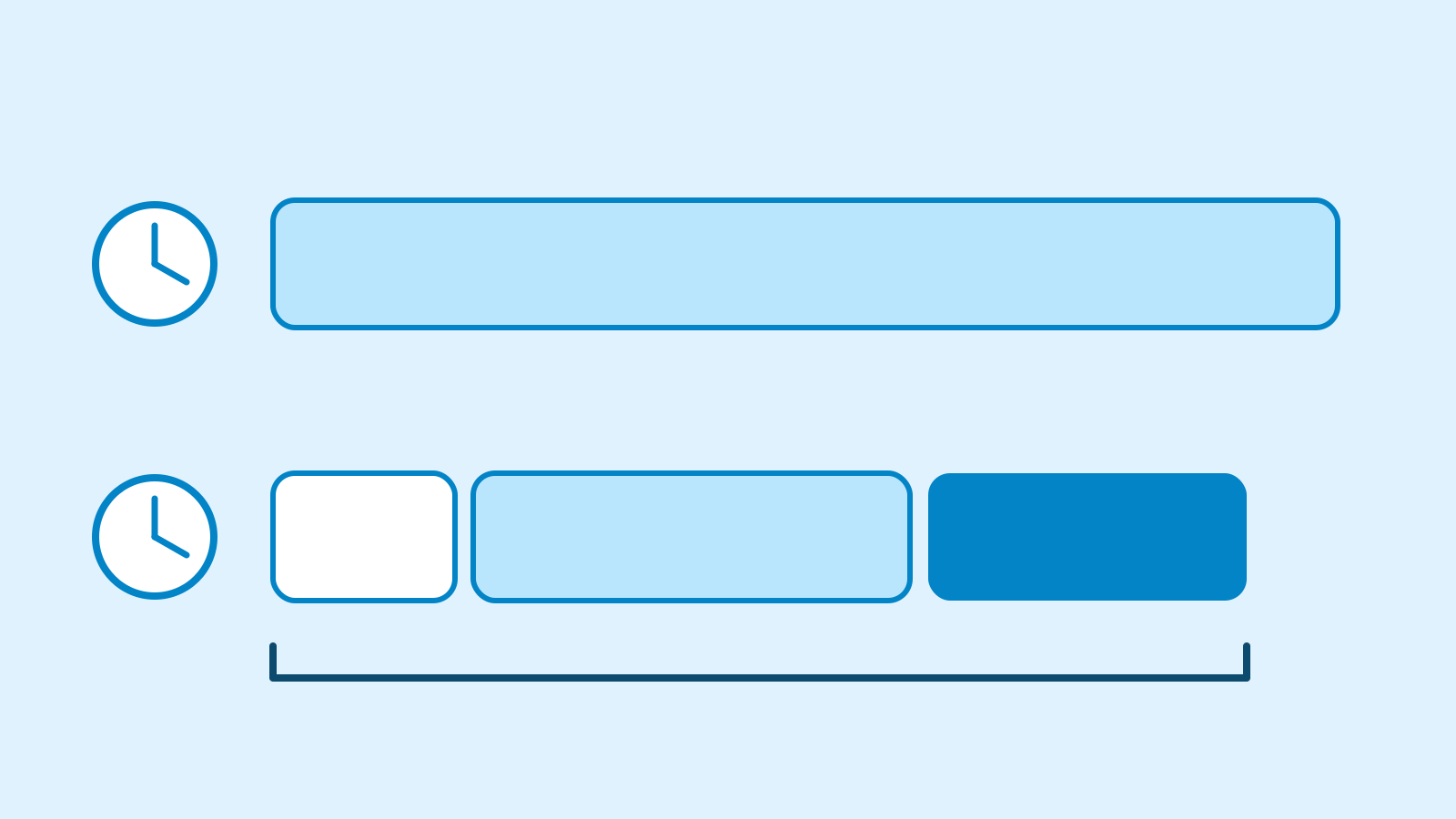
    Count review and repair as well as generation. Compare fictional task records with a baseline and decide whether to continue, revise or stop.

    AdvancedPlanningDesignersMarketersSalesProduct researchOffice workersDevelopers