Skip to content

Sales: from discovery to a grounded proposal

Learn to interpret customer statements and propose only what product facts support.

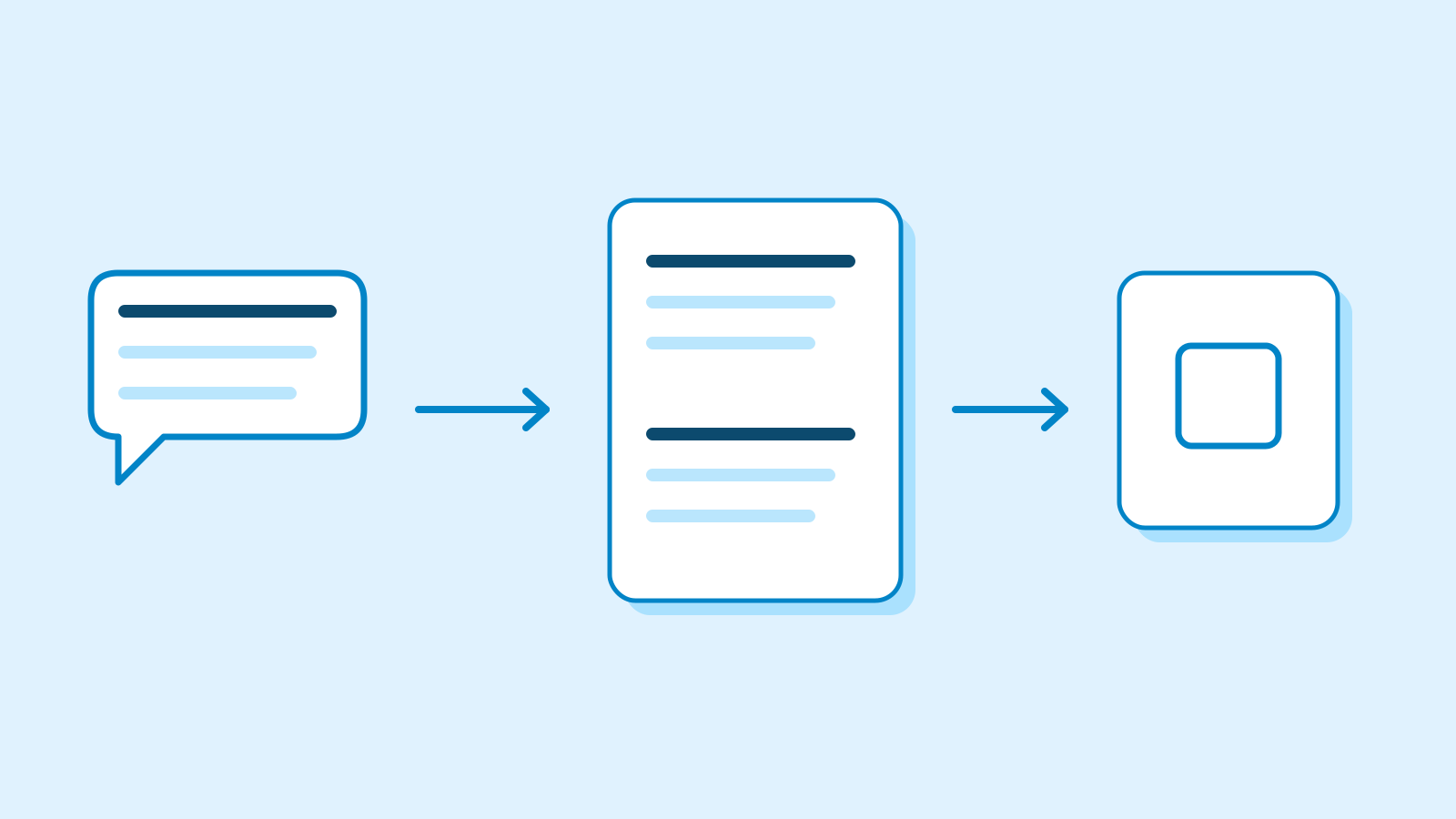
A learning flow from source material to the next decision
Illustration: AI Ping

Sales2 guidesAbout 30 min reading, plus practiceBeginner → Intermediate · practical

Start with the first guide →

Before you start

  • Practise requesting, revising and checking in AI First Steps.
  • Use the supplied fictional notes rather than real work records.

What you will be able to do

  • Distinguish interest, information requests and purchase commitments.
  • Connect verified product features to customer needs in a proposal.
  • Write questions that clarify objections and identify next actions.

Read → try it → check against the source

Take one lesson at a time. Examples help you assess your own work; you do not need to copy their wording. Drawings are explanatory illustrations, not actual product screenshots.

Course

  1. Sales basics: understand discovery notes

    Separate interest, requests and commitments, then choose a useful next question.

    BeginnerExplainerAbout 15 min reading
  2. Sales intermediate: evidence-based proposals

    Connect customer needs to capabilities and plan the next conversation without unsupported promises.

    Intermediate · practicalExplainerAbout 15 min reading

Put it into practice

Use the fictional notes and product brief to draft a handover, proposal and next questions without sending anything.

How to check your work

  • Information requests are not purchase commitments.
  • No invented features or benefits.
  • Proposed and agreed actions are distinguished.

04 · Advanced project

Sales project · Separate a proposal from an agreement

Record a fictional discovery call and draft a proposal using only confirmed capabilities. Add follow-up questions and a review/approval flow for a clear handoff.

All source material, figures and drafts below are editor-created practice data, not customer cases or recorded AI outputs.

First: evaluation, review and measurement lessons →

Source material

S1
Customer: 'Export would help. We have not set a budget. We will review the information next week.'
S2
Product brief: CSV export is supported. Direct integration with the customer's system is unverified. No customer-specific time-saving measurements exist.
S3
Agreed next step: provide information. No contract, launch date, discount or integration was agreed. Do not actually send anything in this exercise.

Step-by-step work

  1. 1. Preserve the customer's actual meaning

    Separate interest, unknowns and agreed actions with S1–S3 references. Reviewing information is not a purchase commitment.

    Produce: Discovery notes and unresolved questions

  2. 2. Map needs to confirmed features

    Connect CSV export to the stated need without promising direct integration or savings. Turn unknowns into follow-up questions.

    Produce: A proposal with evidence and explicit unknowns

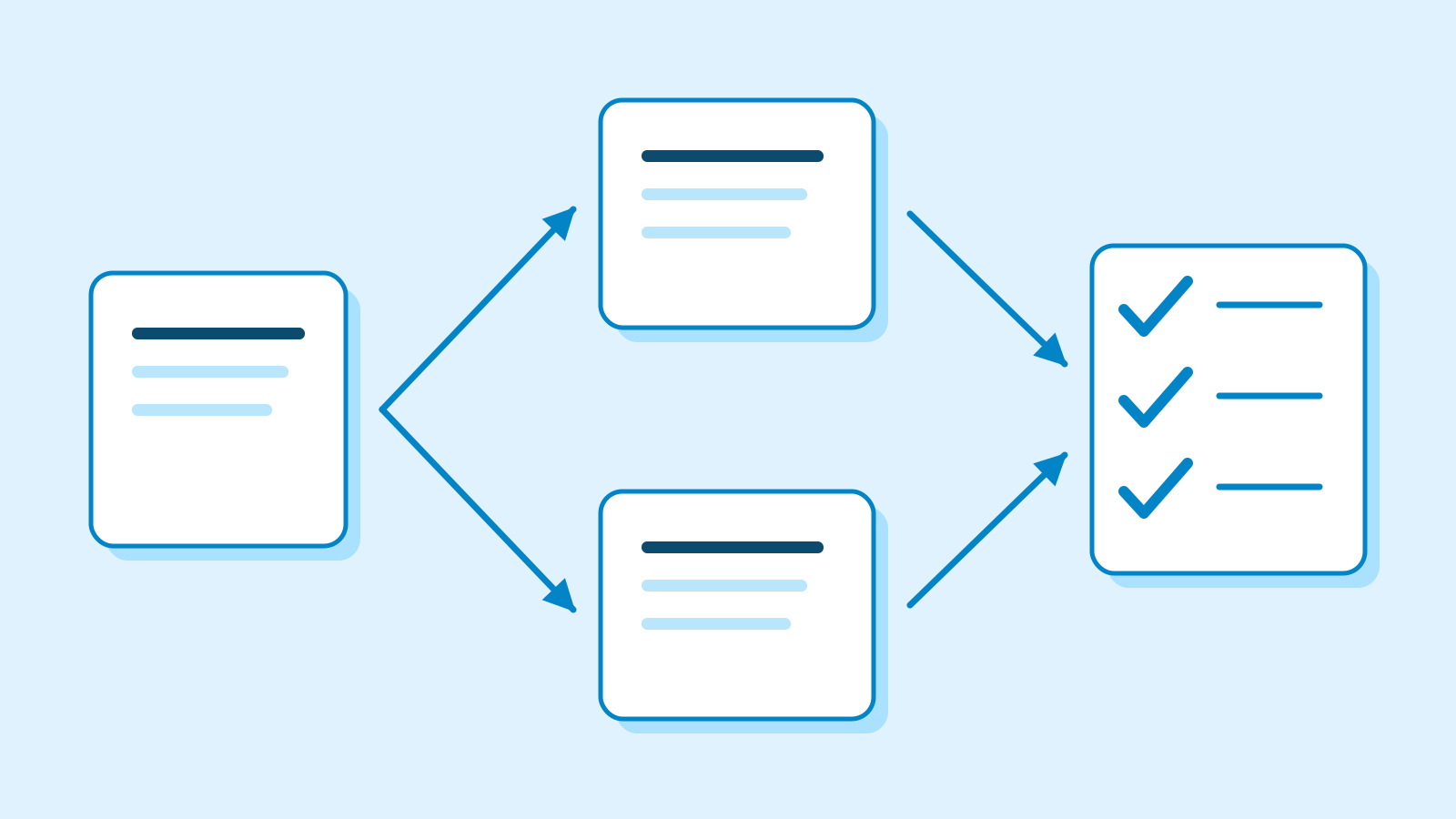
  3. 3. Separate review and permission to act

    Distinguish product-verification questions from the message review. Specify the draft version and action to be authorised.

    Produce: An evidence-check, draft-review and send-approval flow

  4. 4. Prepare the handoff

    Separate the agreed information delivery from a proposed follow-up meeting. Do not invent owners or dates.

    Produce: A handoff containing notes, proposal, unknowns and next actions

Find the problems in this draft

The customer will adopt next week, and automatic integration will halve their workload.
Read the review

S1 commits only to review; S2 verifies neither integration nor savings. Replace the invented commitment and effect with the supported export feature and follow-up questions.

Open after your first draft · New condition

New constraint: the customer cannot upload their data to an external service. How should the proposal change?

Check the revision approach

Keep real customer data out of the trial and propose only a public or fictional-data demonstration. Defer applicability until the customer's policy and product data handling are confirmed.

Ready when you can explain every item

Attach your deliverable or source ID to each check. Return to the relevant step if you cannot support an item. This is self-review, not automated grading or certification.

  • Interest, review and purchase commitments are distinct.
  • Every feature promise is supported by S2.
  • Draft status is separate from an authorised action.
  • New constraints produce explicit deferrals and questions.

Where to go next

  • Two results compared against common evidence and criteria

    Going furtherEveryone

    Advanced practice: evaluate, review and improve

    After drafting work in your role, learn to evaluate it, design review points and measure a pilot. Complete three lessons without code, then apply them in a role project.

    What you will be able to do

    • Compare results consistently and verify changes on fresh cases.
    • Design drafting, review, approval and failure handling.
    • Choose adoption scope from quality and total work, including review and repair.

    In this lesson

    1. Evaluate AI work beyond first impressions
    2. Design an AI workflow with clear review points
    3. Measure an AI pilot and decide when to stop

    3 guidesAbout 54 min reading, plus practiceAdvanced

  • Image studies, paper swatches and a pencil on a worktable

    Courses by roleDesigners

    For designers: image generation done right

    From prompt basics to mood boards, copyright checks and consistent results.

    What you will be able to do

    • Replace vague adjectives with visible choices about composition, light and materials.
    • Compare variants that change one element and explain your choice.
    • Check tool terms, input rights, people and logos separately before publication.

    In this lesson

    1. Image prompt basics for designers
    2. Build and review an AI-assisted mood board
    3. Copyright and commercial-use checklist for generated images
    4. Keep a character or product consistent across scenes

    4 guidesAbout 49 min reading, plus practiceBeginner → Intermediate · practical

  • Two copy drafts compared beside a small results sheet

    Courses by roleMarketers

    For marketers: from copy to data

    Draft ads and content faster, then move on to reading your campaign results.

    What you will be able to do

    • Separate customer hypotheses from research findings.
    • Create distinct copy drafts without inventing product claims.
    • Calculate campaign metrics and state what the data cannot establish.

    In this lesson

    1. Define and test three customer personas
    2. Draft A/B ad copy with AI
    3. AI drafts, people finish: a blog workflow
    4. Find insights in campaign results

    4 guidesAbout 54 min reading, plus practiceBeginner → Intermediate · practical