Sales intermediate: evidence-based proposals
Connect customer needs to capabilities and plan the next conversation without unsupported promises.
About 15 min readingAs of Oct 2026
By the end of this guide
- Separate capabilities from expected benefits.
- Investigate the reason for an objection.
- Remove unapproved promises.
Who this is for
- People learning to structure this work with AI
- People who want to check a draft against evidence
What you need
- All cases, records and numbers here are fictional teaching material, not recorded model replies or research findings.
- Paper and a pen are enough. To try a prompt, use an assistant you already have and only the fictional material.
This lesson’s terms, in plain language
Read the short meanings here. Open a term for a fuller explanation and example.
- workflow
- A sequence of work with conditions for moving between steps.
- value proposition
- An explanation of how a product could help with a particular need.
- hypothesis
- An unverified idea that can be investigated through observation or a test.
Key ideas
A proposal connects needs to verified capabilities
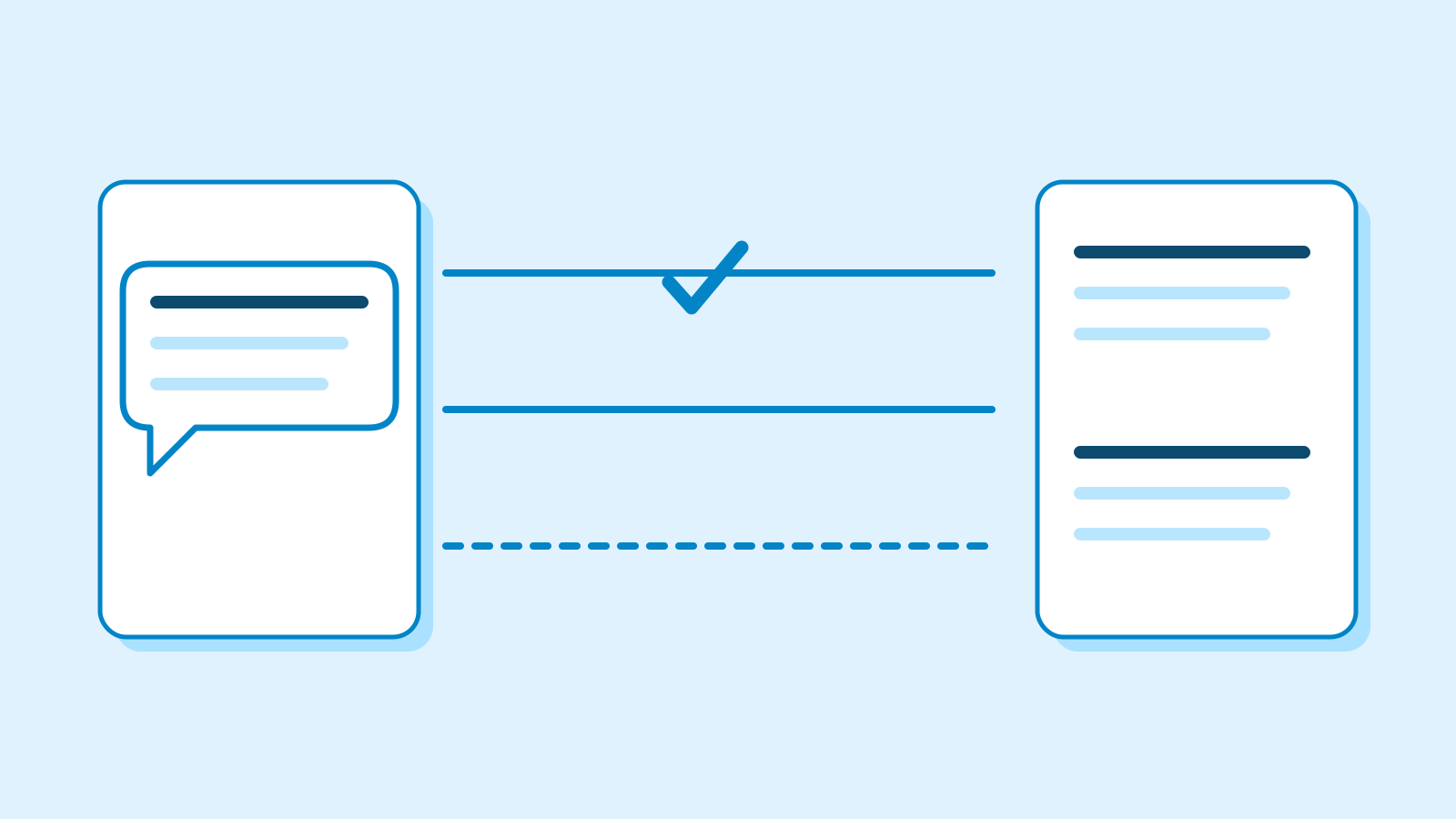
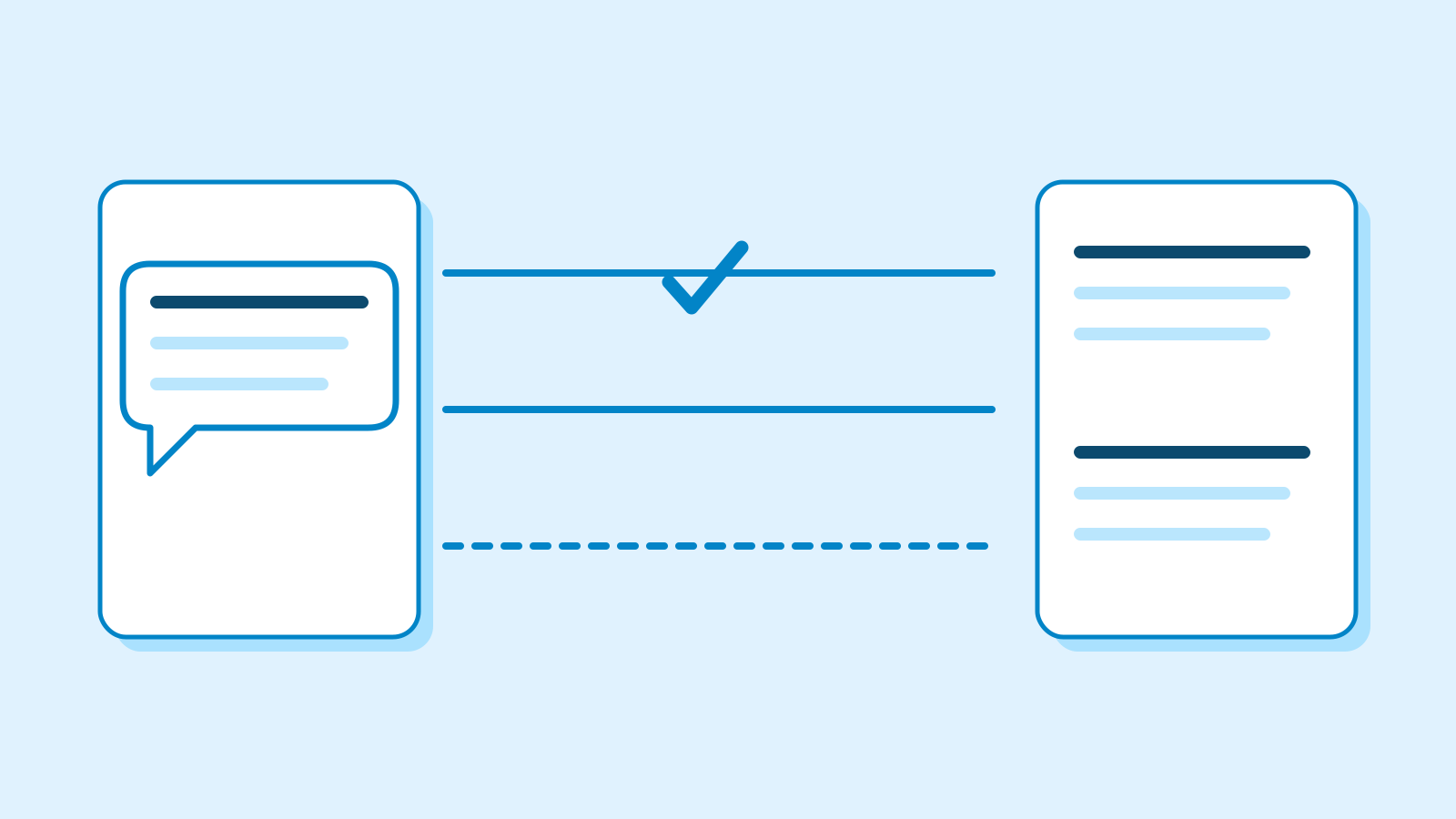
Figure: Connect customer notes to product facts. The dashed link marks missing evidence. · AI Ping The fictional customer struggles to compile monthly enquiry records. The fictional product can tag enquiries, filter by tag and export a list. No automatic classification, integration or savings figure is supplied.
The drawing links customer notes to product facts. An absent link represents missing evidence. A customer request does not create a capability, and an available feature does not automatically establish customer value.
Propose demonstrating a tag-and-filter workflow. Do not promise to eliminate monthly work. A capability statement establishes what the fictional product does, not how much effort this customer would save. The intermediate skill is keeping that boundary clear.
Separate capability, expected benefit and test
Capability: filter by tag. Expected benefit: fewer records to inspect. Test: compare the work needed to find relevant items in the same practice dataset. Keep those statements distinct.
A value proposition explains potential help in the customer’s context. Here, propose reviewing a tag-based monthly workflow while preserving the tentative status. Ask an assistant to improve wording without turning “review” into a guarantee.
Include new work in the comparison. Who applies tags? Faster search might be offset by tagging effort. This exercise has no measured timings, so it supports no savings percentage.
Explore an objection before choosing a response
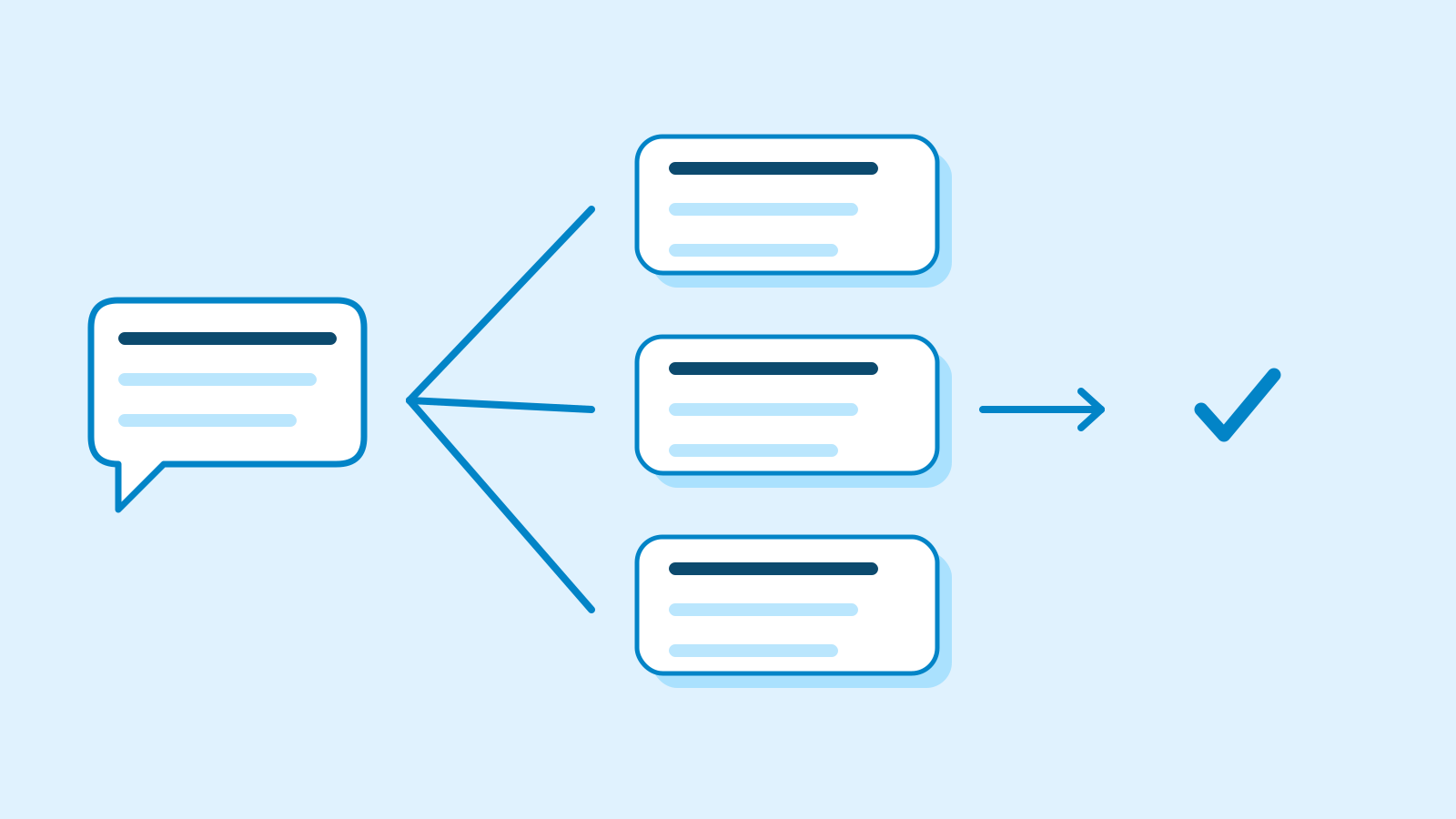
Figure: An objection branches into possible interpretations; investigate before responding. · AI Ping “That is expensive” may refer to total cost, uncertain value or an unclear comparison. These are hypotheses, not conclusions about the customer’s thinking. AI can suggest possible interpretations but cannot establish which is true.
The branching speech bubble represents those alternatives. Narrow them through a question such as “What are you comparing it with?” before selecting a response.
Do not invent a discount, delivery date or integration. Keep roadmap ideas separate from current capabilities. No price list is supplied in this exercise, so write a question about the comparison rather than a price offer.
Make the next action specific and bounded
Replace a vague request for positive consideration with a bounded proposed action: agree which material would help assess the monthly tag workflow. Label it proposed until the customer agrees.
A demo should answer a relevant question. Plan a demonstration of filtering fictional tagged enquiries, without claiming a live product walkthrough or inventing automatic classification.
Record preparation, the question to resolve and any unagreed dates. Before sending anything in real work, classify every sentence as customer evidence, product evidence, proposal or unknown. This exercise stops at the draft; no meeting is scheduled and nothing is sent.
Try it: write a proposal without overpromising
Draft four parts: current situation, relevant capability, benefit to investigate and proposed next action. State verified capabilities plainly; label unmeasured effects as questions for evaluation.
You may ask AI to highlight promises in the draft, but inspect its suggestions against the source. Do not erase supported features, and do not upgrade tagging to automatic classification or review to purchase approval.
Keep one removed claim, the reason for removing it and a follow-up question. For example, remove “halve the work” because no measurement supports it. That phrase is a practice error, not a real result. Leave room for the customer to decide the existing process is sufficient.
Common mistakes
- Do not present fictional cases or AI guesses as customer evidence.
- Do not invent deadlines, results or commitments.
- Explain your decision before polishing its presentation.
Practice
Can verified tagging justify “automatic classification halves the work”?
See a suggested answer
No. Neither automatic classification nor the savings claim is supplied. Propose evaluating a tag-based workflow instead.
What should you investigate before responding to “expensive” with a discount?
See a suggested answer
Ask what comparison informs the concern. Budget pressure and uncertainty about value are different problems requiring different responses.
A demonstration next week is not agreed. How should the proposal describe it?
See a suggested answer
Describe a proposed demonstration with an unconfirmed date. A request for information is not a confirmed meeting.
References
- What is a Discovery Call? — Salesforce
- Learn How to Discover Objections — Salesforce Trailhead