Planning intermediate: prioritise and test ideas
Explain a choice using evidence, assumptions and a small test rather than invented scores.
About 15 min readingAs of Oct 2026
By the end of this guide
- Recognise unsupported scores.
- Define a small test.
- Record conditions for revisiting a decision.
Who this is for
- People learning to structure this work with AI
- People who want to check a draft against evidence
What you need
- All cases, records and numbers here are fictional teaching material, not recorded model replies or research findings.
- Paper and a pen are enough. To try a prompt, use an assistant you already have and only the fictional material.
This lesson’s terms, in plain language
Read the short meanings here. Open a term for a fuller explanation and example.
Key ideas
A long backlog still needs a specific decision
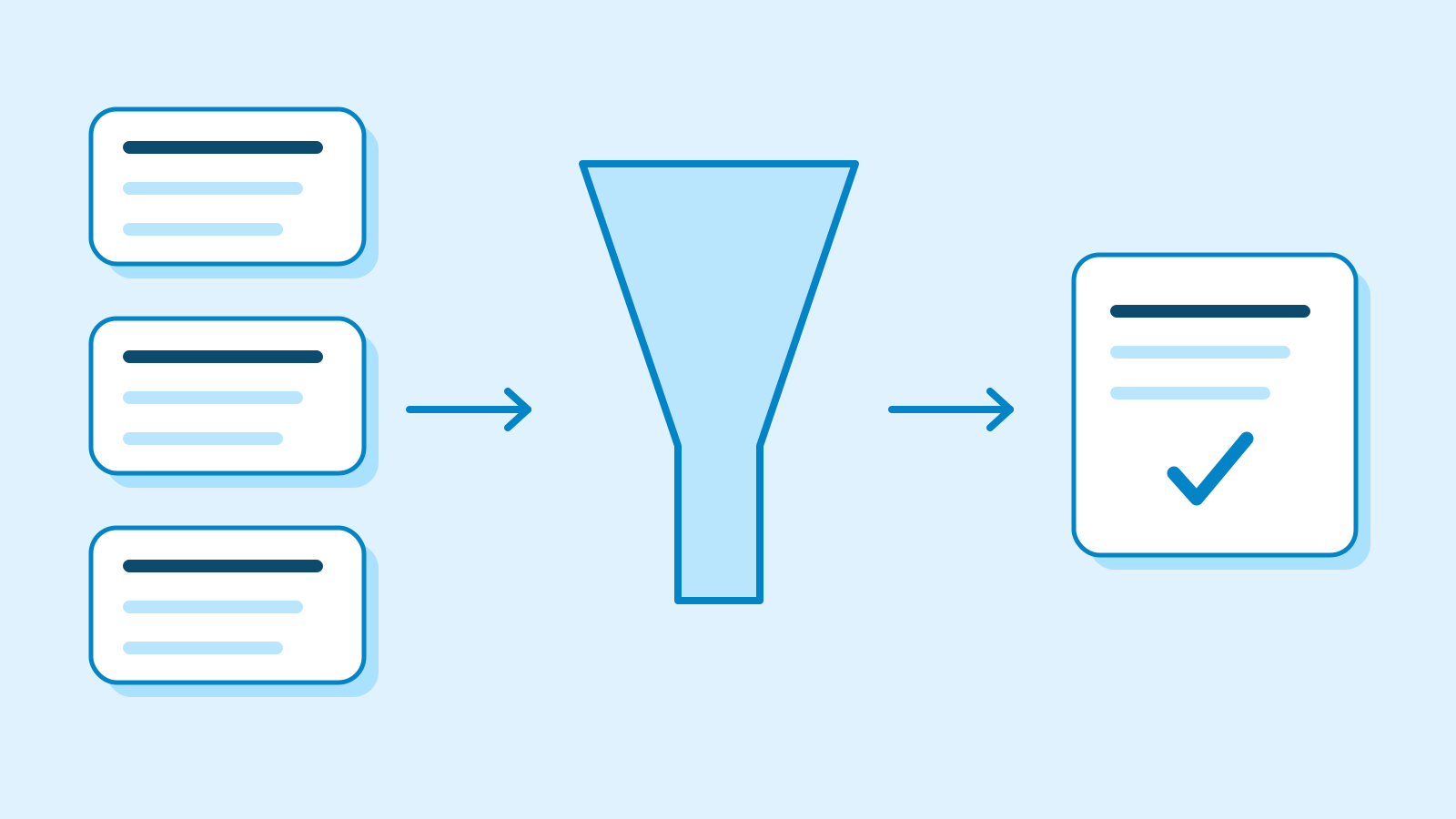
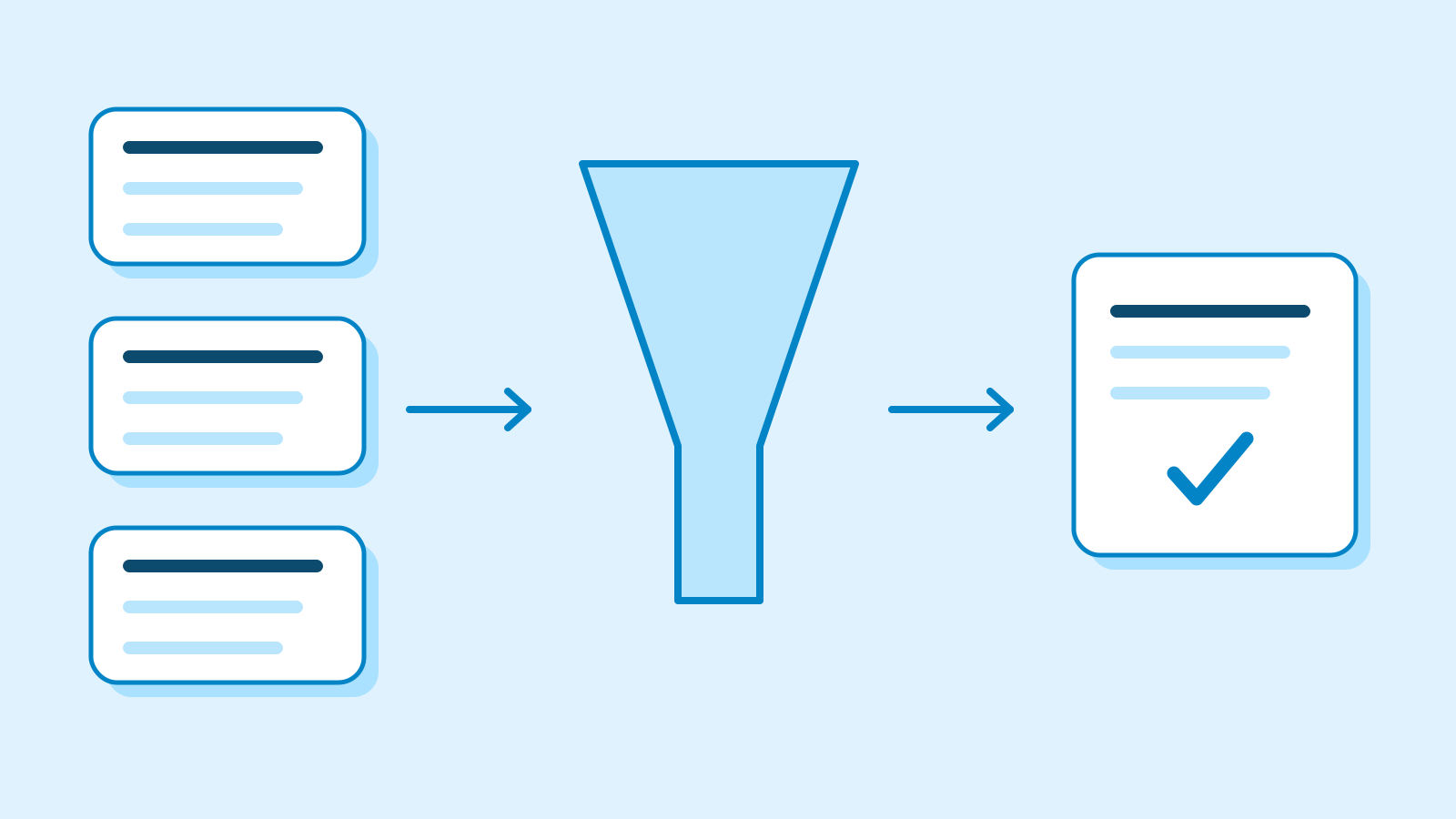
Figure: Three candidates pass through a problem-based filter into one option to test. · AI Ping The fictional group has three ideas: move venue details, add automatic replies, and export attendance records. Today’s goal is helping newcomers find the venue. The export may be useful elsewhere but does not directly address that goal.
The drawing filters candidate cards through the current problem. It narrows the comparison; it does not certify a universal winner. A backlog is a list of work to consider, not a promise to build everything.
For each candidate, record its relationship to the goal, evidence, scope and unknowns. Leave owners and release dates blank unless agreed. This lesson produces a decision brief, not a deployment.
Look for missing evidence before scoring
An AI-generated impact score is not a measurement. This case supplies no traffic count, question frequency or engineering estimate. Mark those gaps before ranking anything.
You can compare responsibilities: a layout change edits an announcement, while automatic replies also need source selection and correction rules. You cannot infer an exact build time from that distinction. Ask what evidence would make the comparison possible.
Separate mandatory conditions from preferences. “Never direct someone using a superseded venue” is a condition that a high convenience score cannot cancel. Keep conditions, advantages and assumptions in different columns.
What a smaller test actually tests
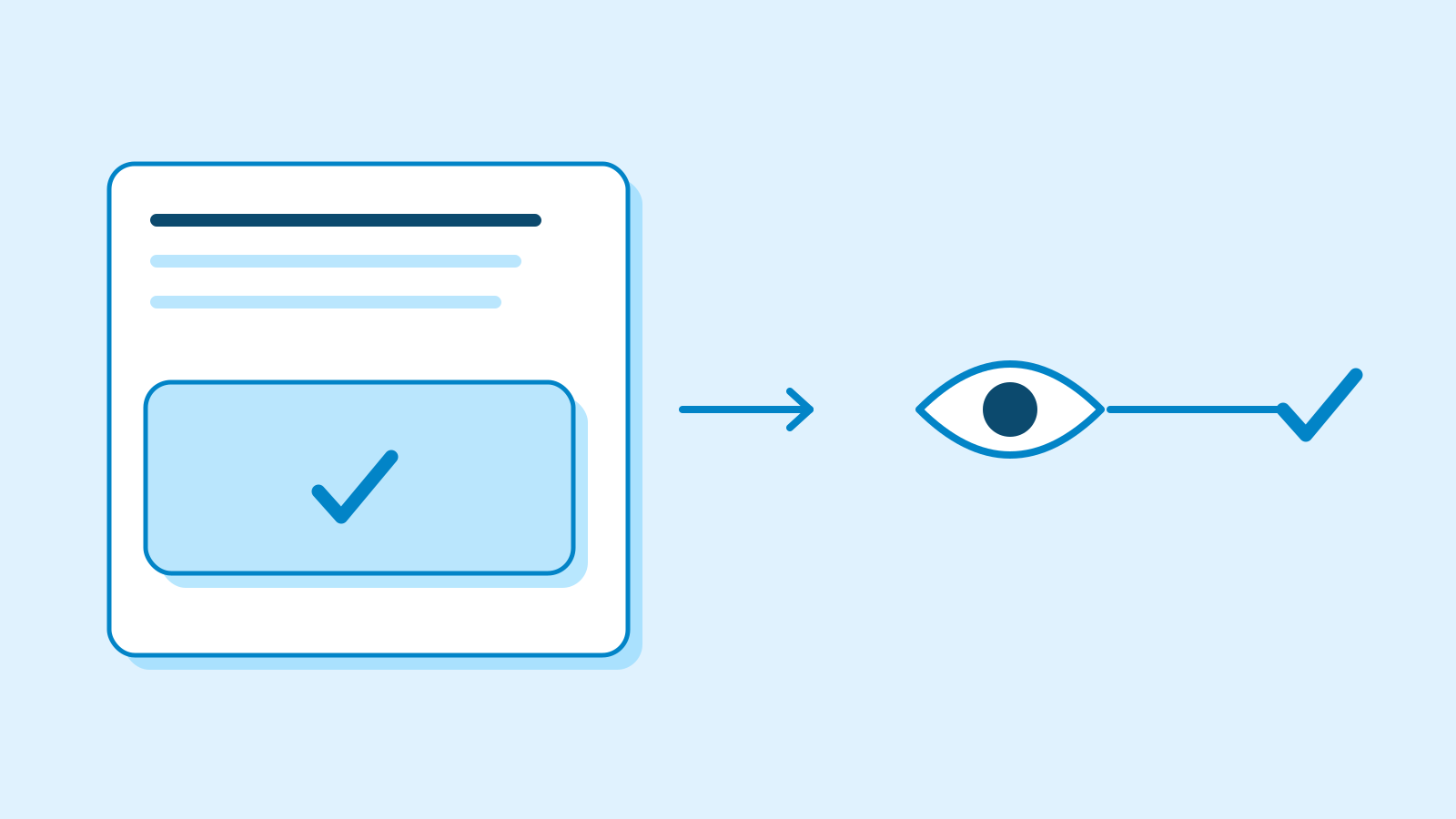
Figure: Select the highlighted part of the larger design and observe its use. · AI Ping An MVP reduces scope so you can learn about a central assumption. It is not merely the smallest screen count. If the question concerns information placement, a revised announcement may be a useful prototype.
The highlighted part of the drawing marks the thing being tested; the eye marks observation. Watch whether a person finds the venue, and record which material and help they received.
Define a behavioural rule before the session: can the participant identify the next venue without assistance? If not, what did they look at? A successful small test provides evidence about this design under these conditions, not proof of universal launch readiness.
Use AI to challenge the decision
Ask the assistant to identify weak claims in your preferred option and possible evidence that would change the choice. Treat its suggestions as questions, not newly discovered facts.
If the member never received the announcement, layout alone cannot solve the difficulty. If they opened an outdated notice, the issue may be recognising current information. Both can produce the same initial question about the venue.
Write down the selected option, rejected alternatives, remaining assumptions and conditions for reopening the decision. Make those conditions observable. Reject AI criticism that does not fit the source material, and explain why.
Try it: record the decision and its limits
Choose one candidate to investigate and write five sentences: goal, selection, supporting evidence, unknowns and a reopening condition. This is an exercise format, not a required company template.
Ask someone what new fact would change your decision. If nothing could, the document may be overconfident. If everything is unknown, narrow the decision to a small observation rather than committing to launch.
Check for invented scores, a reason for rejecting an alternative, an observable test and a stopping condition. Remove unsupported savings or schedule claims. The fictional case is not a customer success story. Continue into product research to learn how observations become usable evidence.
Common mistakes
- Do not present fictional cases or AI guesses as customer evidence.
- Do not invent deadlines, results or commitments.
- Explain your decision before polishing its presentation.
Practice
AI gives automatic replies an impact score of 9. What next?
See a suggested answer
Label it an opinion or remove it without a measurement basis. Investigate repeated questions and actual implementation responsibilities first.
Is a layout change sufficient if the notice was never received?
See a suggested answer
No. Better placement cannot help someone who never receives the notice. Investigate delivery; this evidence should reopen the decision.
Revise “A successful MVP means immediate full rollout.”
See a suggested answer
Observe venue finding under the tested conditions, investigate remaining environments, then decide rollout scope. A small test does not establish universal success.
References
- Learning about users and their needs — GOV.UK
- Writing user stories — GOV.UK