Skip to content

Planning: from problem to priority

Beginner and intermediate lessons on turning ideas into evidence and small tests.

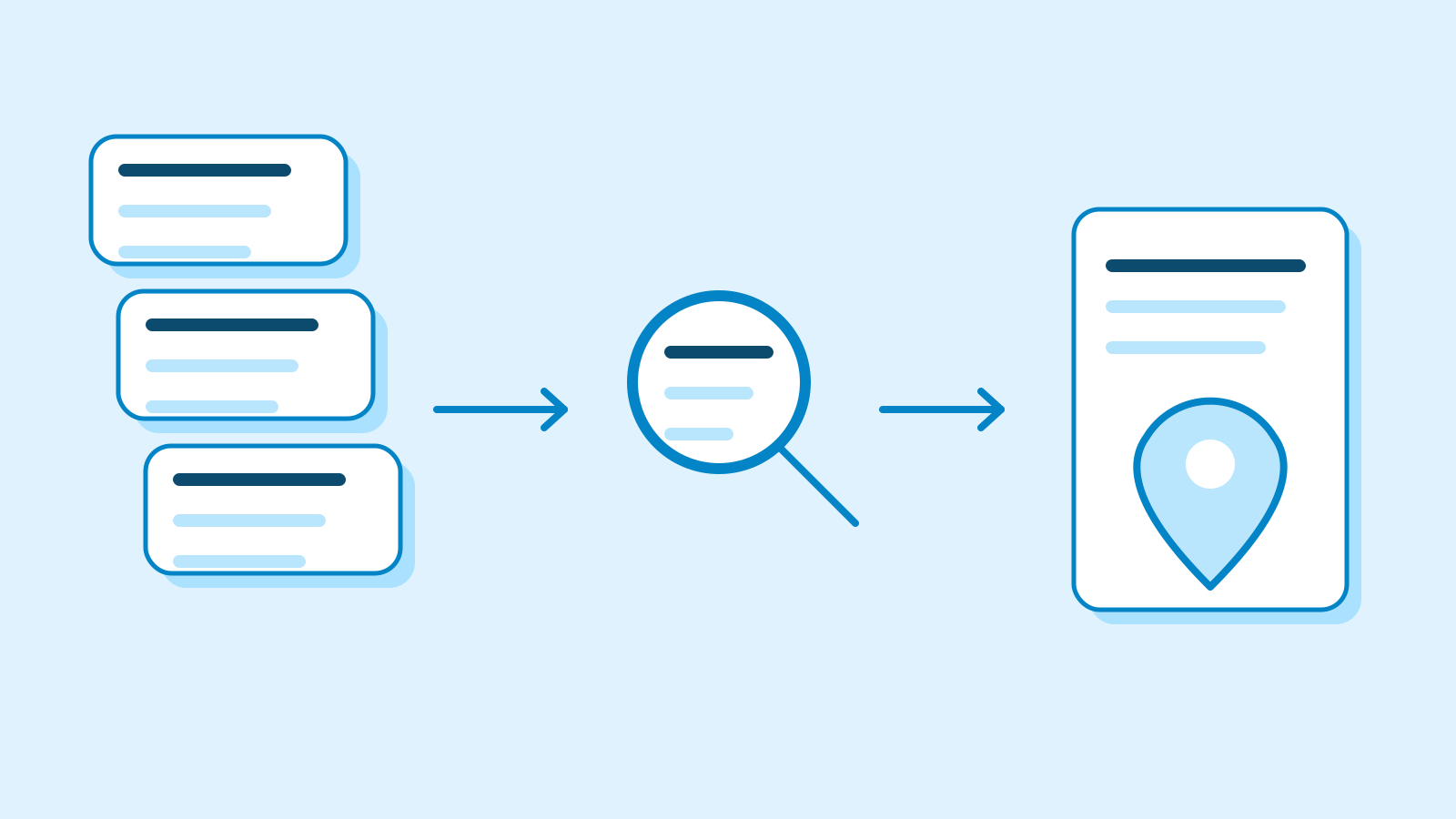
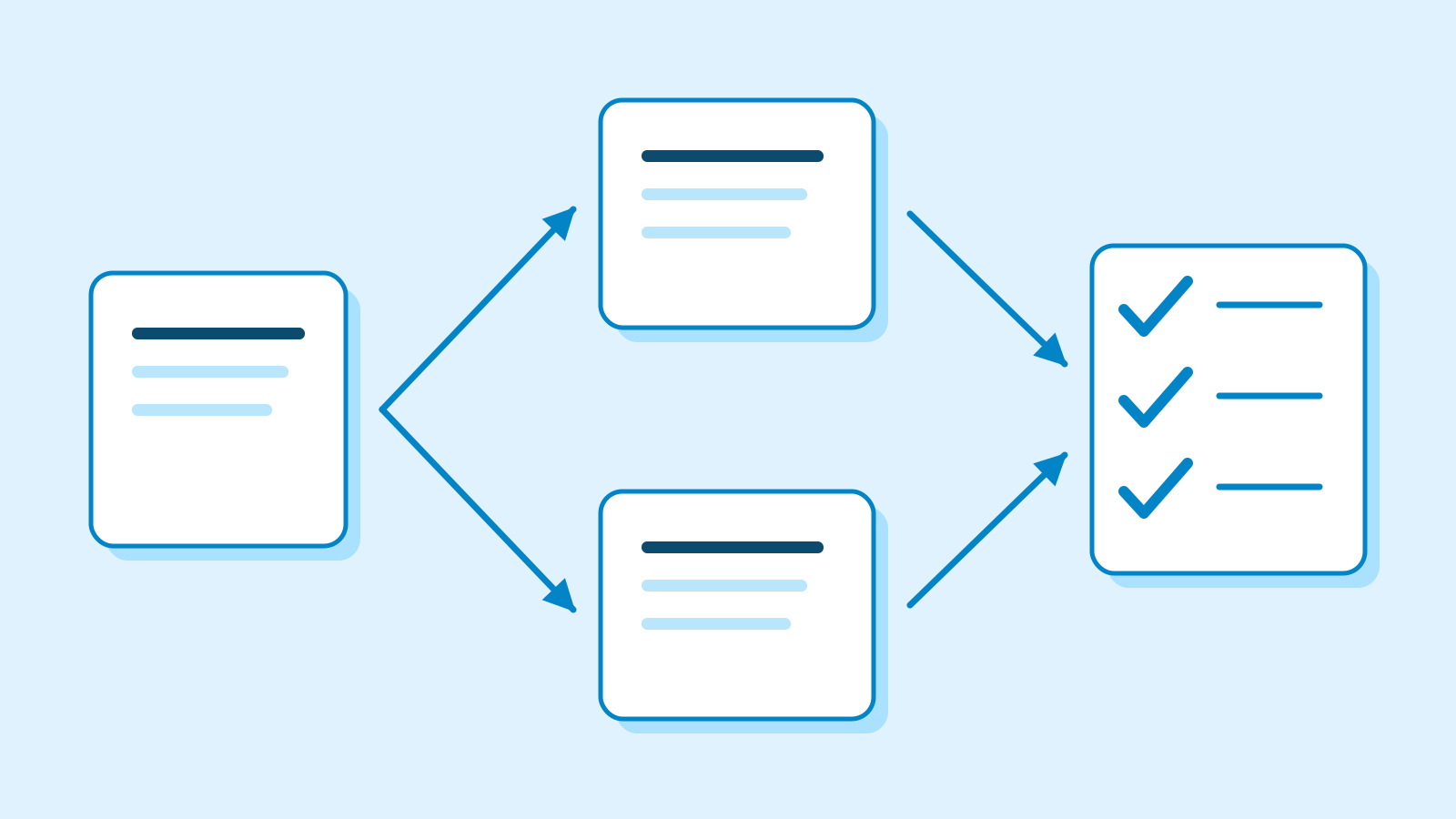
A learning flow from source material to the next decision
Illustration: AI Ping

Planning2 guidesAbout 30 min reading, plus practiceBeginner → Intermediate · practical

Start with the first guide →

Before you start

  • Practise requesting, revising and checking in AI First Steps.
  • Use the supplied fictional notes rather than real work records.

What you will be able to do

  • Separate supported facts from untested hypotheses.
  • Compare ideas and explain which one to test first.
  • Design a small test and decide when to revisit the choice.

Read → try it → check against the source

Take one lesson at a time. Examples help you assess your own work; you do not need to copy their wording. Drawings are explanatory illustrations, not actual product screenshots.

Course

  1. Planning basics: frame a problem with AI

    Use illustrated notes to separate a user’s difficulty from a proposed feature.

    BeginnerExplainerAbout 15 min reading
  2. Planning intermediate: prioritise and test ideas

    Explain a choice using evidence, assumptions and a small test rather than invented scores.

    Intermediate · practicalExplainerAbout 15 min reading

Put it into practice

Frame the reading group’s venue-finding problem and choose an initial test with conditions for revisiting the decision.

How to check your work

  • Facts and hypotheses are separate.
  • Rejected alternatives have reasons.
  • A small test and reopening conditions are defined.

04 · Advanced project

Planning project · Make the decision before the feature

Decide how to reduce venue enquiries for a reading group. Define the problem from observations, compare alternatives and design a small test with reopening conditions. Produce a one-page decision brief with evidence.

All source material, figures and drafts below are editor-created practice data, not customer cases or recorded AI outputs.

First: evaluation, review and measurement lessons →

Source material

P1
In a task observation with eight attendees, six opened the notice and three of those missed the venue link. The other two never received the notice.
P2
The organiser repeatedly answers venue questions. Response time and a possible reduction in enquiries have not been measured.
P3
Options are moving the venue to the top, checking notice delivery, or introducing automatic replies. Available pilot work is limited to mock-up comparison and delivery checks.

Step-by-step work

  1. 1. Separate the problems

    Separate failure to receive the notice from failure to find the venue. The three link misses are included in the six who opened it; do not double-count them.

    Produce: A problem statement separating facts, hypotheses and unknowns

  2. 2. Compare options

    For each option, state the problem addressed, evidence needed and feasible pilot. Do not turn guessed benefits into measured scores.

    Produce: An options table with selection and deferral reasons

  3. 3. Design a small test

    Change one mock-up condition and write an observable venue-finding task. Keep delivery checks separate.

    Produce: A test plan with inputs, observable behaviour and recording method

  4. 4. Record the decision and reopening rule

    Choose the next scoped action and what remains deferred. State what new evidence would change the choice; no customer impact has been measured.

    Produce: A decision brief with source IDs, limitations and next decision

Find the problems in this draft

Most attendees find the notice difficult, so a chatbot will halve enquiries.
Read the review

P1 distinguishes two problems, P2 contains no impact estimate and P3 excludes a chatbot pilot. Separate the observation, causal hypothesis, proposed action and unmeasured effect.

Open after your first draft · New condition

New evidence: the venue changes weekly and old notices remain in search results. Is moving the link enough?

Check the revision approach

Add a freshness problem: check dates, validity and a route to the current notice. Test a task that begins from an old notice, and reopen the design decision if necessary.

Ready when you can explain every item

Attach your deliverable or source ID to each check. Return to the relevant step if you cannot support an item. This is self-review, not automated grading or certification.

  • Explain the relationship between three, six and eight attendees.
  • Support both selection and deferral with source IDs.
  • Use an observation task that does not reveal the solution.
  • Record the revision and reopening conditions after new evidence.

Where to go next

  • Two results compared against common evidence and criteria

    Going furtherEveryone

    Advanced practice: evaluate, review and improve

    After drafting work in your role, learn to evaluate it, design review points and measure a pilot. Complete three lessons without code, then apply them in a role project.

    What you will be able to do

    • Compare results consistently and verify changes on fresh cases.
    • Design drafting, review, approval and failure handling.
    • Choose adoption scope from quality and total work, including review and repair.

    In this lesson

    1. Evaluate AI work beyond first impressions
    2. Design an AI workflow with clear review points
    3. Measure an AI pilot and decide when to stop

    3 guidesAbout 54 min reading, plus practiceAdvanced
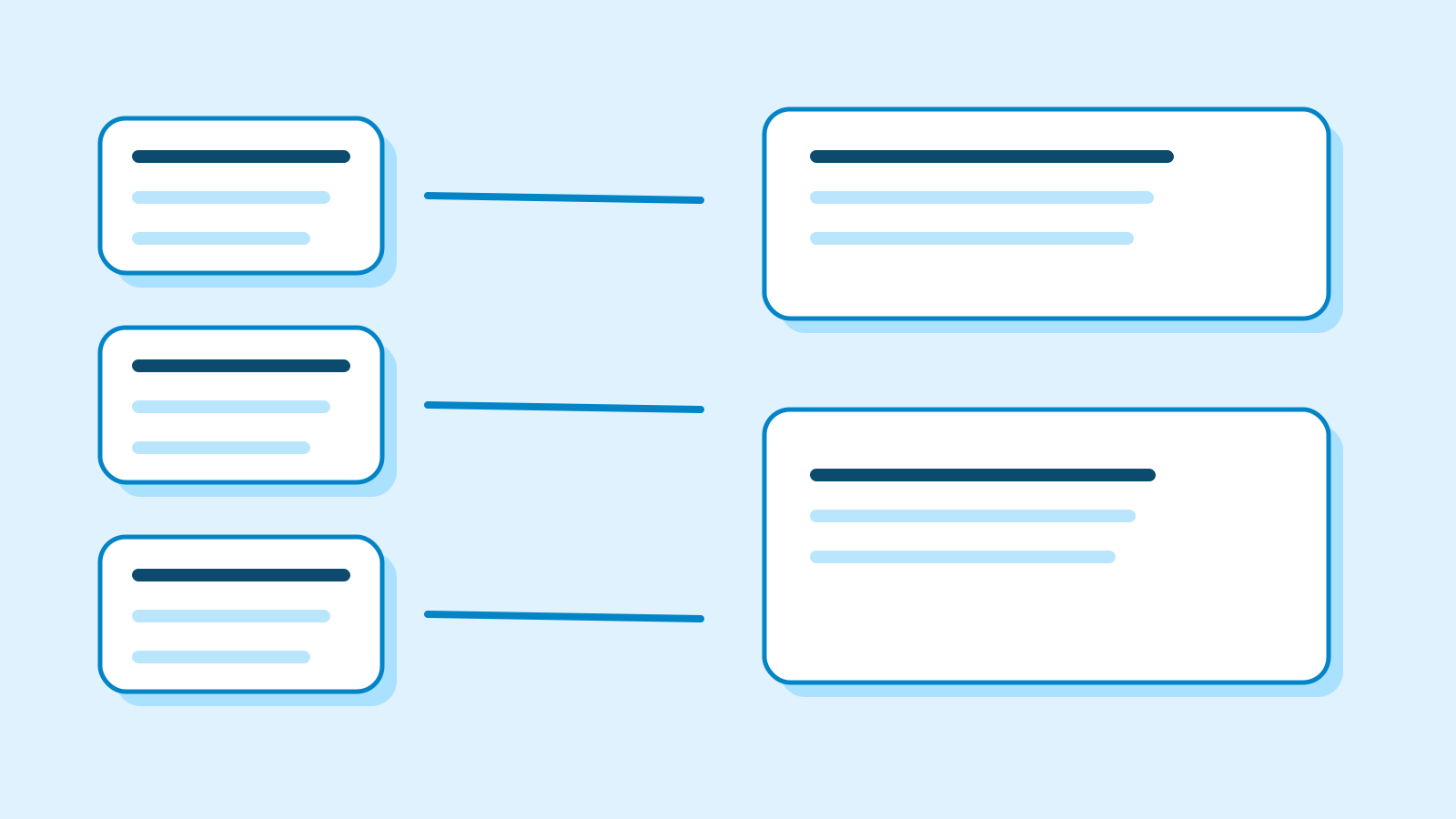
  • A learning flow from source material to the next decision

    Courses by roleProduct research

    Product research: from reviews to a test

    Separate observations from interpretations, then design an observable prototype task.

    What you will be able to do

    • Separate original review statements from your interpretations.
    • Group evidence while retaining contrary cases and unknowns.
    • Write a prototype task that does not reveal its solution.
    • Explain what a small sample can and cannot establish.

    In this lesson

    1. Research basics: read reviews as evidence
    2. Research intermediate: plan a prototype test

    2 guidesAbout 30 min reading, plus practiceBeginner → Intermediate · practical

  • Image studies, paper swatches and a pencil on a worktable

    Courses by roleDesigners

    For designers: image generation done right

    From prompt basics to mood boards, copyright checks and consistent results.

    What you will be able to do

    • Replace vague adjectives with visible choices about composition, light and materials.
    • Compare variants that change one element and explain your choice.
    • Check tool terms, input rights, people and logos separately before publication.

    In this lesson

    1. Image prompt basics for designers
    2. Build and review an AI-assisted mood board
    3. Copyright and commercial-use checklist for generated images
    4. Keep a character or product consistent across scenes

    4 guidesAbout 49 min reading, plus practiceBeginner → Intermediate · practical