Skip to content

Advanced practice: evaluate, review and improve

After drafting work in your role, learn to evaluate it, design review points and measure a pilot. Complete three lessons without code, then apply them in a role project.

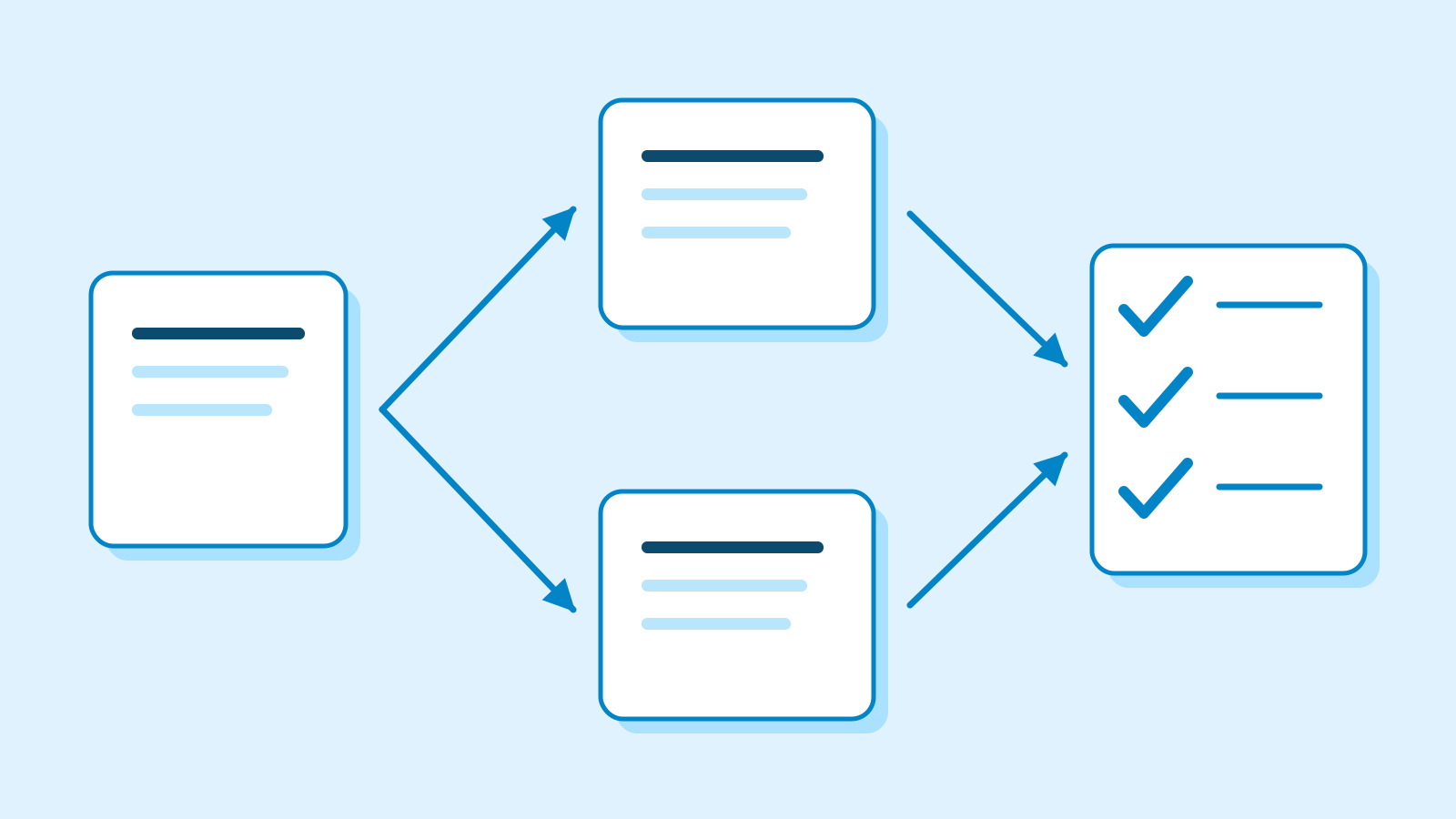
Two results compared against common evidence and criteria
Illustration: AI Ping

Everyone3 guidesAbout 54 min reading, plus practiceAdvanced

Start with the first guide →

Before you start

  • Finish AI First Steps and your role course's practice task.
  • Use paper, a notes app and a calculator. No new purchase or coding is required.

What you will be able to do

  • Compare results consistently and verify changes on fresh cases.
  • Design drafting, review, approval and failure handling.
  • Choose adoption scope from quality and total work, including review and repair.

Read → try it → check against the source

Take one lesson at a time. Examples help you assess your own work; you do not need to copy their wording. Drawings are explanatory illustrations, not actual product screenshots.

Course

  1. Evaluate AI work beyond first impressions

    Build a small evaluation set, compare drafts against evidence, change one instruction and test on a fresh case. No code required.

    AdvancedHow-to guideAbout 18 min reading
  2. Design an AI workflow with clear review points

    Map intake, drafting, review and approval. Walk through missing information and retries on paper, with explicit stop and handoff conditions.

    AdvancedHow-to guideAbout 17 min reading
  3. Measure an AI pilot and decide when to stop

    Count review and repair as well as generation. Compare fictional task records with a baseline and decide whether to continue, revise or stop.

    AdvancedHow-to guideAbout 19 min reading

Put it into practice

Choose your role project below. Use its fictional source material to create the deliverable and rubric, then add a review flow, a revision after new evidence and a next-test plan.

How to check your work

  • Every required judgment cites evidence.
  • Drafting is distinct from approval and external action.
  • Unknown and unmeasured values remain explicit.
  • Explain the revision made after new conditions arrived.

Where to go next

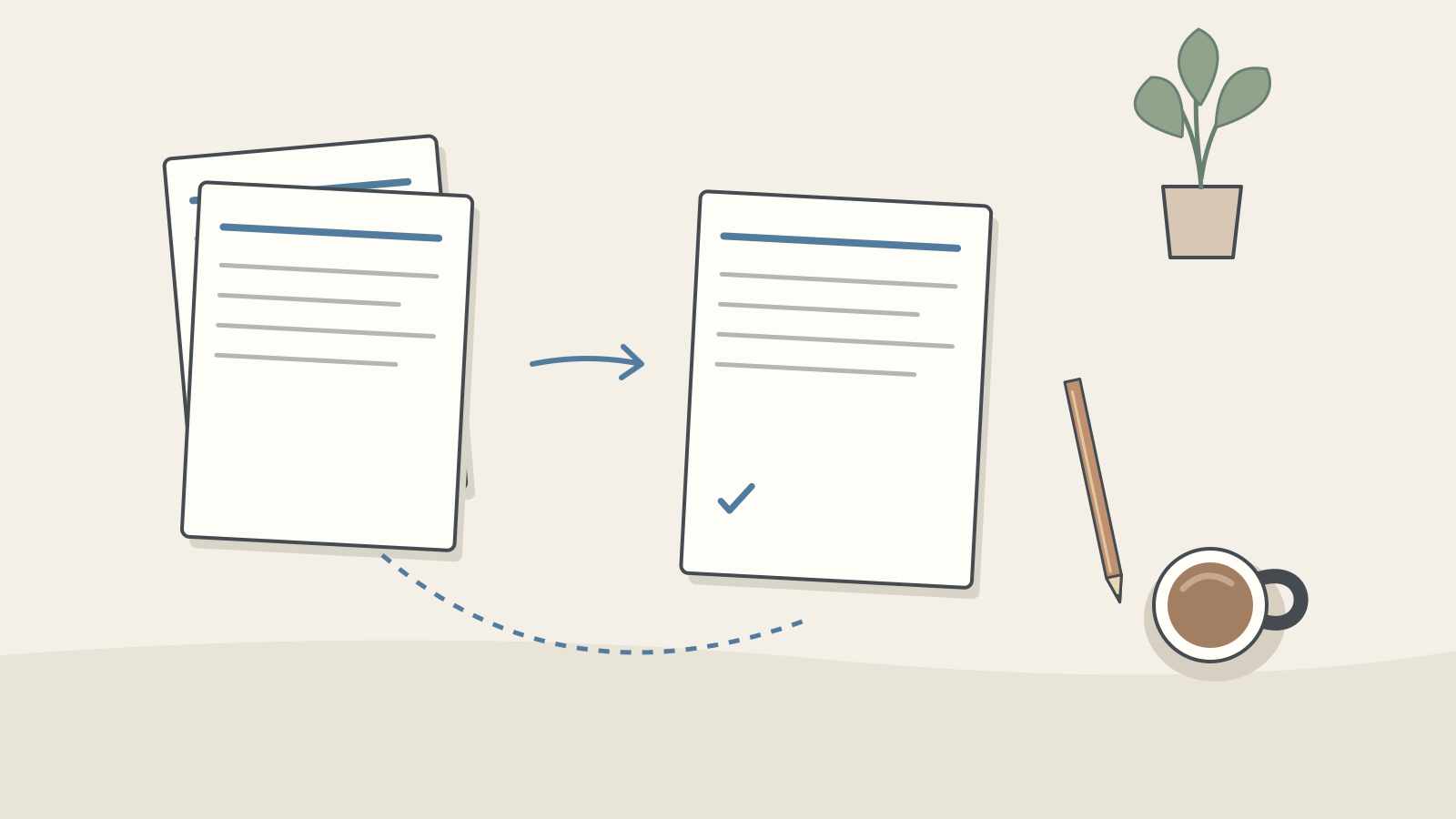
  • Reference pages, a question and an answer connected on a desk

    Going furtherEveryone

    Going further: how AI products work

    Once you have the basics, explore how retrieval and tool use support an answer.

    What you will be able to do

    • Explain retrieval separately from answer generation.
    • Distinguish a fixed workflow from an agent and define permissions.
    • If coding, build test questions that separate retrieval failures from answer failures.

    In this lesson

    1. RAG explained: handing AI a reference book
    2. What is an AI agent?
    3. A ten-document RAG lab: retrieve, then verify

    3 guidesAbout 58 min reading, plus practiceBeginner → Advanced