What is an LLM? How ChatGPT actually produces an answer
Why can the same notes lead to different answers? Learn to distinguish tokens, training and conversation context, then decide what to check in a generated draft.
About 15 min readingAs of Oct 2026
Lesson guide · goals & preparation
By the end of this guide
- Distinguish tokens, training and context.
- Explain why fluent writing is not evidence of truth.
- Separate generated text from evidence supplied by search or calculation tools.
- Return to source material when an answer contains unknown details.

Who this is for
- Anyone who still finds words like LLM, token and context unfamiliar
- People who have tried ChatGPT and wonder why it is brilliant one minute and odd the next
What you need
- Read the reading-group exercise in the first lesson. No installation or payment is needed.
This lesson’s terms, in plain language
Read the short meanings here. Open a term for a fuller explanation and example.
This reading lesson explains how to use external AI tools. Read from theory to the workflow, examples and explanations, or use the contents to jump to a section.
1 / 4
Theory
Understand what to ask AI to do, how to ask, and the ideas behind the workflow.
Two sentences from the same notes
Return to the first lesson’s notes: 7 November, 2 p.m., second floor of the local library, bring one book. “Bring a book and join us at the library” and “Here are the time, place and materials for our reading group” can both fit. The details and sentences are editorial practice examples, not records of an actual event or a model test.
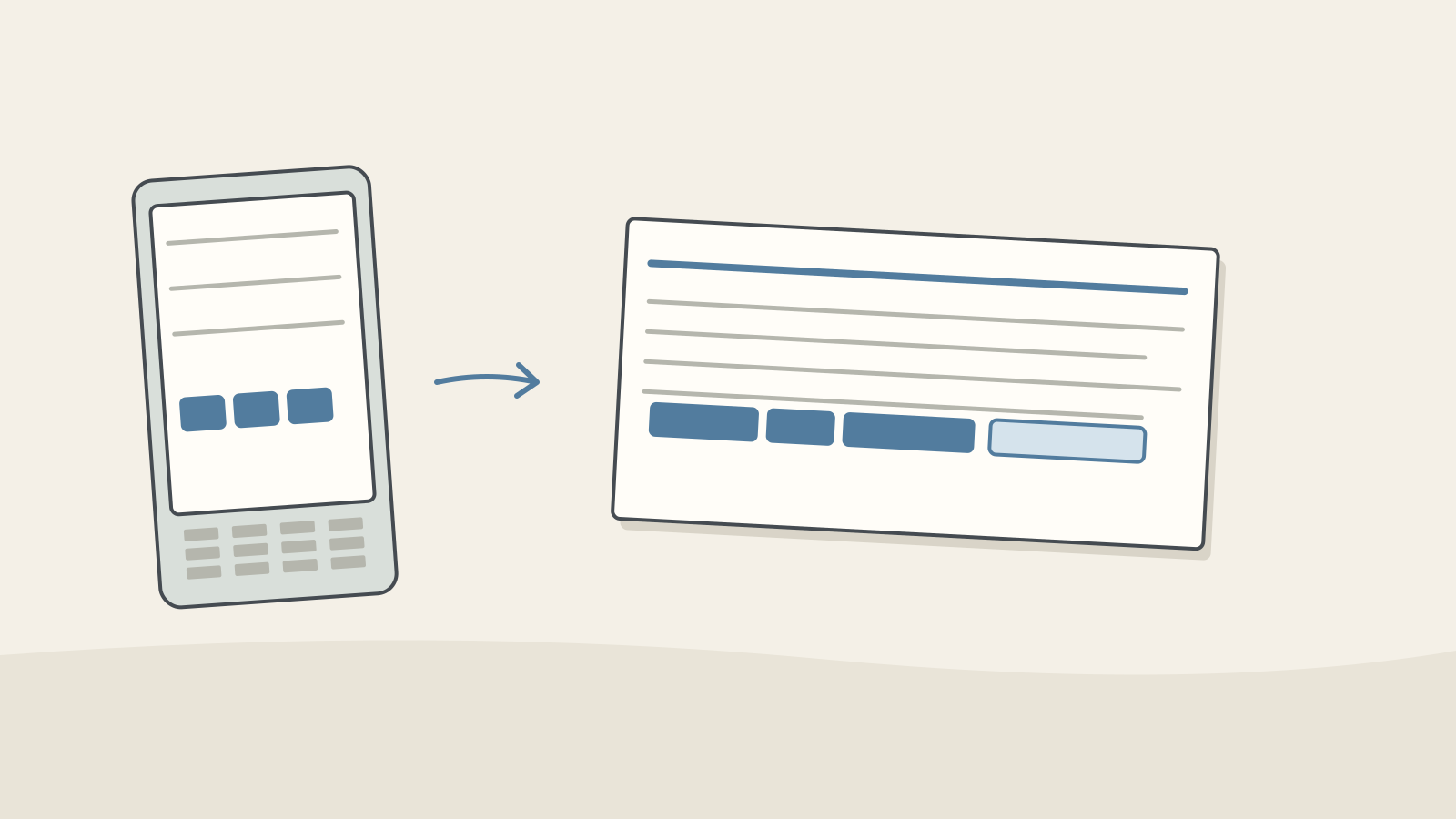
Figure: an analogy for selecting the next piece, not a display of a model’s actual probabilities · AI Ping LLM stands for large language model. During text generation it uses the preceding context to select a small next piece, appends that piece and repeats. Predictive text on a phone is a useful opening analogy, though it does not make the systems equivalent.
Generation can use sampling or more restrictive selection settings. Different answers are possible; neither variation nor identical answers are guaranteed. Models, product settings and the conversation all matter.
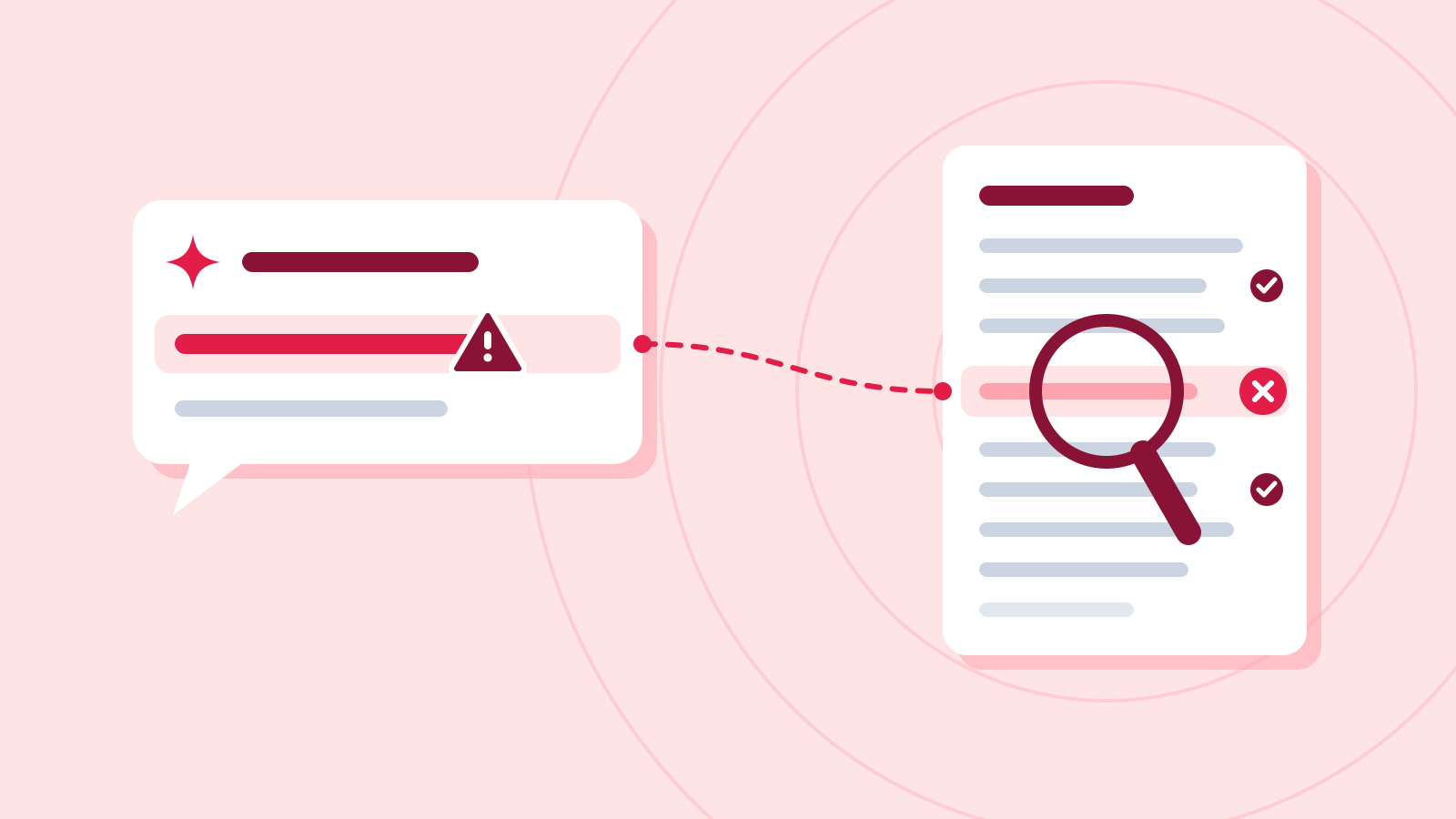
Adding “Admission is free” changes the problem. That is a new factual claim, not a stylistic rewrite. A friendly sentence does not establish a price. Compare its claims against the notes.
Tokens are not word counts
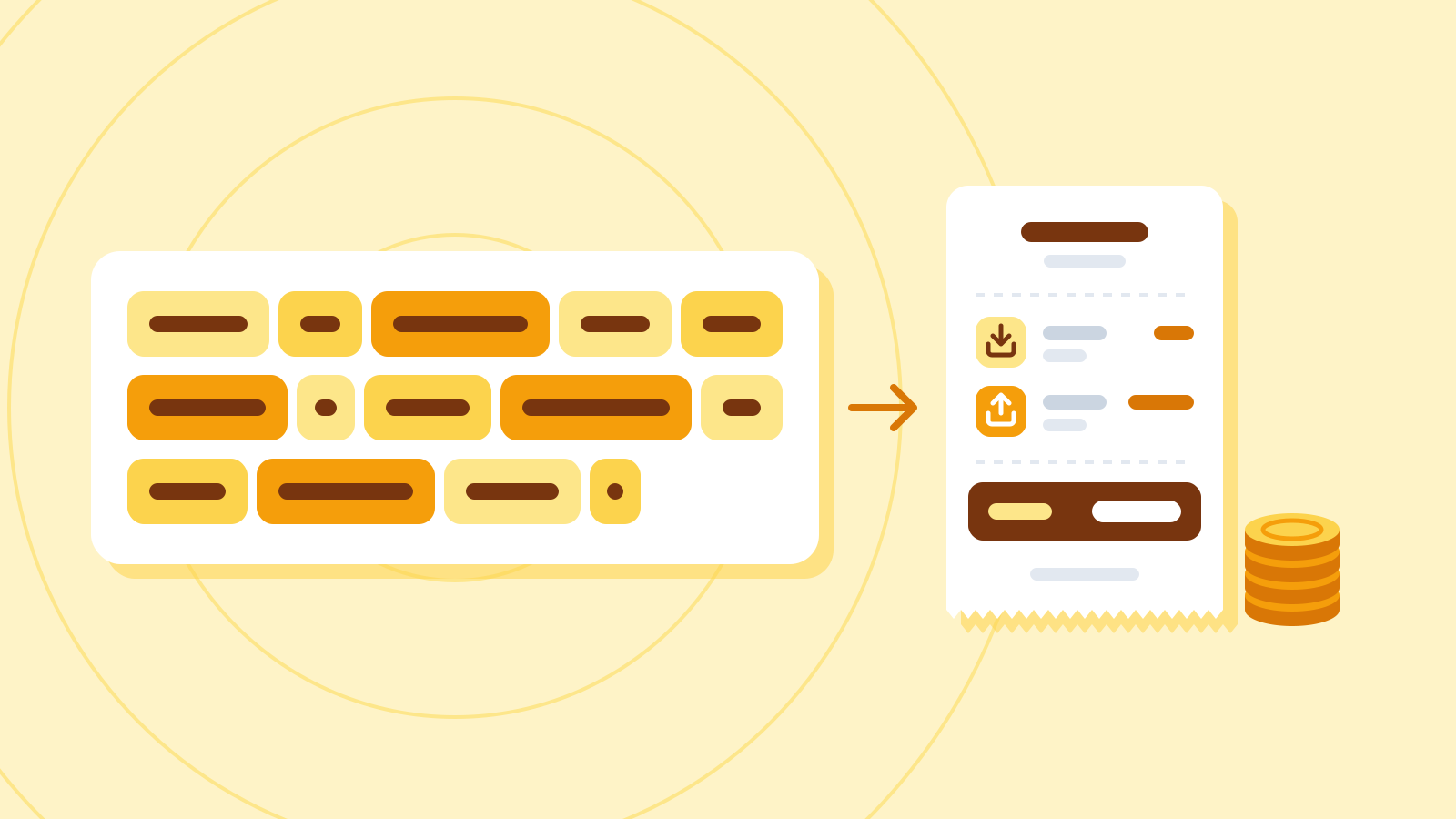
A token is a unit used to represent text. It may be a word, part of a word or punctuation. The tokenizer determines the split, and different tokenizers can produce different counts for the same text.
On paper, split “The meeting is tomorrow.” first at spaces, then into individual characters. The counts differ. Neither cut is a claim about how a particular model tokenizes the sentence; it demonstrates why visible words and processing units need not match.
Do not memorize a fixed Korean-to-English multiplier. Wording, spacing, language and tokenizer all affect the result. A measurement of one pair of sentences cannot establish a universal ratio.
The distinction matters for long inputs and metered API usage. There is nothing to pay for here. The pricing lesson later uses explicitly hypothetical rates to separate input and output costs.
Training and the current conversation
Training changes internal parameters using patterns in data. Further training can improve instruction following and helpful responses. Exact datasets and methods vary, and not all details are public.
The reading-group notes pasted into a chat provide material for the current response. Using them does not mean the model has instantly retrained its weights. Storage and possible later use for model improvement are separate product-policy questions.
Context is the input available for the current response. It may include conversation history, processed file contents and tool results. A product may shorten or summarize history, so an early condition is not guaranteed to remain available unchanged.
For our exercise, paste the final notes again when revising: “These are the final details and replace the earlier venue.” Then compare the revised answer with those notes yourself.
2 / 4
Step-by-step use
Learn what to prepare, how to request help and how to revise the result through examples and explanations.
Where search and file handling fit
An AI product can connect a model to search, file extraction and calculation tools. Some models also process images directly. Check the actual model and product rather than assuming every model only accepts plain text.
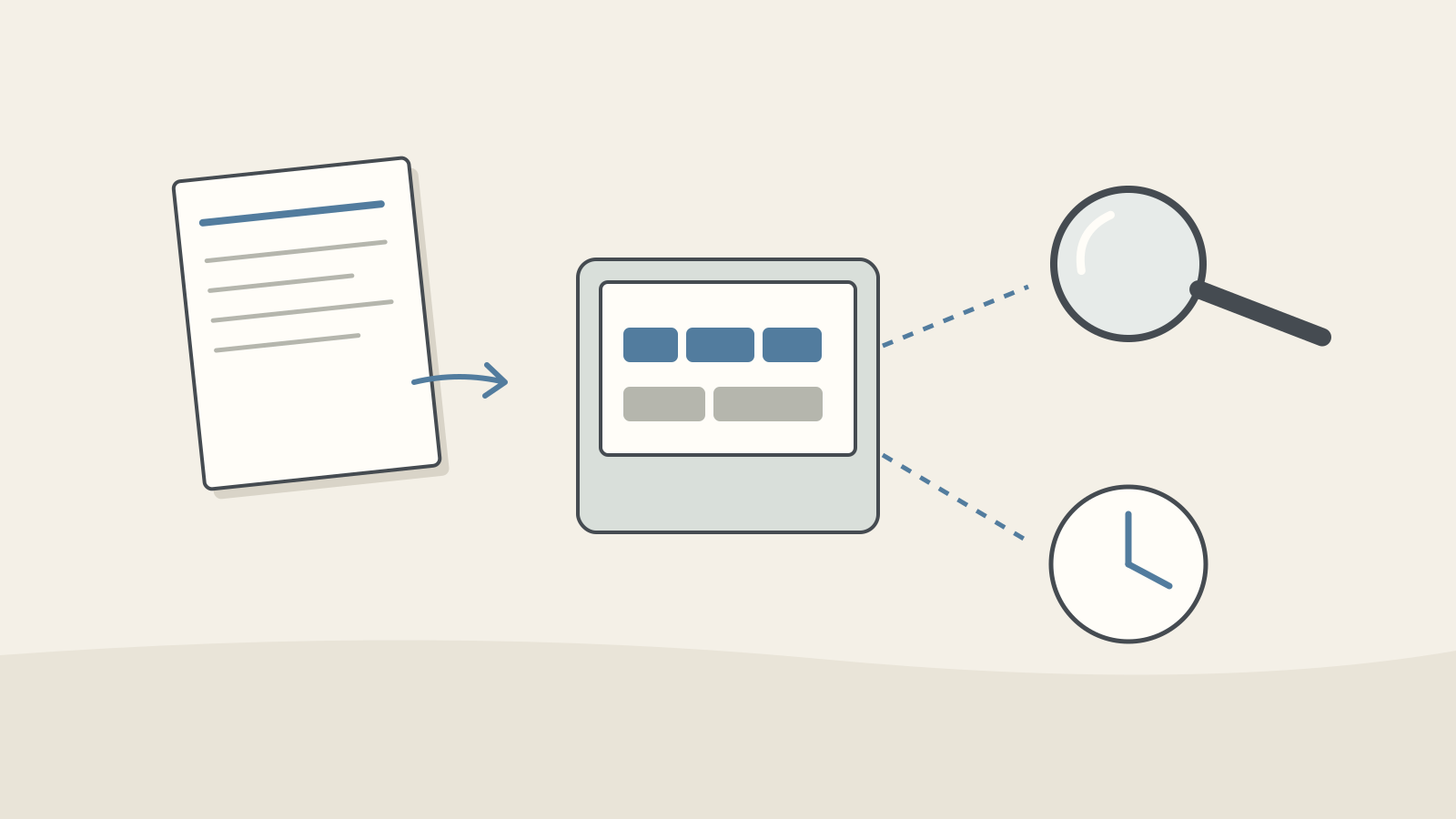
Figure: a product connects the model to search, file handling and time information · AI Ping Knowing today’s date does not establish access to recent news. The date could come from product instructions or a tool. One answer alone cannot reveal the route it took. Inspect available tool activity and sources.
A link is a starting point for checking, not a guarantee. For a library closure, open the library’s notice and verify the date and branch. The fictional event in our lesson supplies no evidence about a real library’s hours.
Choose checks to match the task
For the reading-group notice, verify the date, place and materials against the notes. For a shorter version, identify conditions that must survive. In translation, check names, numbers, negation and the strength of promises. Specific criteria turn “review it” into an action.
Check arithmetic independently with calculation tools. This does not mean a model cannot calculate; a convincing explanation and a correct result are separate things to verify. Code also needs execution checks, which the development course introduces with small inputs.
Begin with material you already understand. You can spot additions in a summary of your own notes more readily than in an unfamiliar technical judgment.
3 / 4
Check & explain
Think about what you would ask AI, then read the explanation. Written submissions and external AI use are optional.
This is a learning check, not a test you must pass. Use the explanations to understand the ideas.
Q1A colleague wants to keep “Admission is free” because it reads naturally. Give a two-sentence reason to revise it.
Write your thoughts (optional)
Your writing is not sent anywhere. It disappears when you leave or reload this page, so copy anything you want to keep.
Read the answer and explanation
Fluency does not establish a price. The exercise notes do not specify admission, so remove the claim or flag it for confirmation with the organizer before publishing.
This is your own review, not an automatic score.
Q2Two drafts use different tones and preserve the schedule, but one adds free admission. Which difference is acceptable, and which needs correction?
Write your thoughts (optional)
Your writing is not sent anywhere. It disappears when you leave or reload this page, so copy anything you want to keep.
Read the answer and explanation
A suitable tone difference can be acceptable. The unsupported admission claim needs correction. Compare factual claims with the source rather than treating all variation as a failure.
This is your own review, not an automatic score.
Q3An assistant gives today’s date correctly. Does that prove it checked last night’s library closure notice?
Write your thoughts (optional)
Your writing is not sent anywhere. It disappears when you leave or reload this page, so copy anything you want to keep.
Read the answer and explanation
No. A date and a closure notice require different evidence. Open the actual library notice and verify the branch and applicable dates.
This is your own review, not an automatic score.
Common mistakes
- Trusting added facts because the prose is fluent.
- Treating a probability table written in chat as measured internal probabilities.
- Inferring that search ran, or all recent facts are known, from a correct date.
- Applying one sentence’s token ratio to all Korean documents.
Your learning record
Completion is optional. Mark this lesson when you feel ready, or move to the next lesson without marking it.
Completion is saved in this browser.
4 / 4
Apply to your work
Consider how new material changes the workflow and checking criteria. Trying an external AI tool is optional.
Try it: separate a sentence from its evidence
Draw two columns. Put the first lesson’s source notes on the left. On the right write: “Meet on 7 November at 2 p.m. on the library’s second floor. Bring one book. Admission is free.” This is an intentionally flawed editorial exercise, not a quoted model response.
Connect each claim to its evidence. The event details have matches; the admission price does not. Remove the price or mark it for confirmation before publication.
Optionally ask an assistant to separate supported facts from additions, then compare its classification with your own connections. That comparison completes the exercise. Nothing here exposes the model’s internal probabilities or hidden reasoning.
Write a note (optional)
Use this only if you want to record a prompt or your understanding. This is a notebook, not a connected AI assistant.
Your writing is not sent anywhere. It disappears when you leave or reload this page, so copy anything you want to keep.
References
- Introduction to Large Language Models — Google for Developers
- Glossary — Claude Platform Docs (Anthropic)