Gemini 4 Carbon tops AI index as Google limits initial access
3-line summary
- Initial access goes to selected cyber defenders; general availability is undated.
- Carbon scores 59, first on AA v5.0, and 70.36%, second on Vals v2.2.
- Introductory input/output pricing is $2/$10 per million tokens.

Google announced Gemini 4 Carbon on October 28, with plans to start access this week for selected cybersecurity defenders. More trusted partners will follow, while a date for developers, businesses and consumers remains unannounced.
Carbon leads Artificial Analysis’s Intelligence Index v5.0 with a displayed score of 59. The board checked on October 29 lists Claude Opus 5.5 at 58 and GPT-6 Astra at 57. Carbon was evaluated at high reasoning, against max settings for those two models. That is a lead on this combined index; other evaluators report different rankings.
Cybersecurity results come with specific test conditions
Google’s published table gives Carbon 88.2% on vulnerability-discovery test SEC-bench Pro, 54.8% on exploitation benchmark ExploitGym and 71.0% on patching test CWE-bench. Argon’s figures in the same table are 83.4%, 42.0% and 68.0%, respectively. The three evaluations cover different parts of defense: locating a flaw, checking whether it can be exploited and producing a working fix. Carbon trails Astra on FrontierSWE 2, at 61.2% versus 65.5%, and Opus on OSWorld 2.1’s offline subset, at 81.5% versus 87.2%.
The evaluation document says the discovery test used 183 JavaScript-engine tasks from the May 2026 split, averaging three independent attempts per task. The exploitation test used one attempt per task without internet access. A successful run had to capture a target flag and receive an AI judge’s confirmation that it used the intended vulnerability. Mitigations were off, with six-hour and extended ten-hour timeouts measured.

On Vals Index v2.2, Carbon instead places second among 29 models at 70.36%, with a displayed margin of ±0.97 percentage points. Claude Sonnet 5.5 scores 70.85% and Opus 5.5 scores 70.18%, so the small differences sit alongside those reported margins. Vals also publishes separate finance, legal and task evaluations; it ranks Carbon first among 87 models on Legal Research Bench. It places eighth among 121 models on Vibe Code Bench v1.1 at 89.06%, illustrating how its position varies with the task mix. Vals lists high reasoning, while individual benchmarks may use different providers or parameters.
Google generally reports single-attempt results at the highest thinking setting, drawing rival scores from their providers unless specified otherwise. Single-attempt settings exclude majority voting and parallel test-time compute. Artificial Analysis lists text, image, speech and video inputs, text output and a one-million-token context window for Carbon. Its model page explicitly marks the model as having no publicly available API.
Announced introductory input/output rates are $2/$10 per million tokens, rising to $4/$20 afterward. Cached input receives a 95% input-price discount. No end date for introductory pricing is specified.

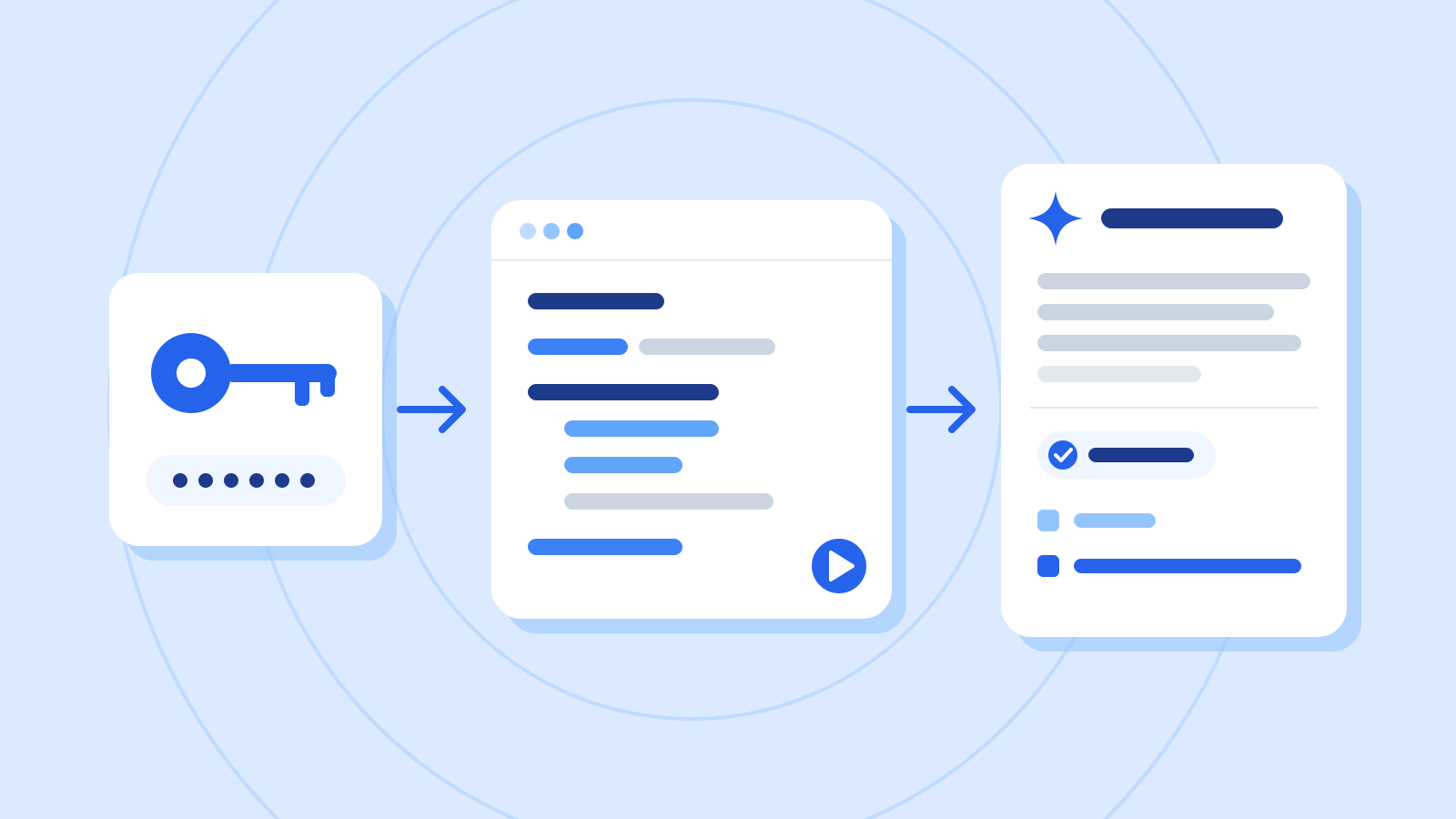
The Fairwind Program prioritizes governments and national cyber authorities, critical-infrastructure operators and core technology platforms. Its existing page says it works with more than 650 partners worldwide, a program-wide figure rather than a count of Carbon recipients. Applicants undergo checks of their security history and record of ethical operations and research before admission.
The program requires user-level authentication, phishing-resistant multifactor authentication and access controls, and prohibits sharing or selling access. Authorized threat simulation, reverse engineering and malware analysis are limited to defensive and academic research purposes. Academic labs focused on defensive benchmarking can apply; the program says it will review and respond to eligible partners.
Sources
- Gemini 4 Carbon: our next frontier model — October 28, 2026 — Google
- Gemini 4 performance table — checked October 29, 2026 — Google DeepMind
- Gemini 4 Carbon (high) — checked October 29, 2026 — Artificial Analysis
- Gemini 4 Carbon Model Evaluation — October 2026 — Google DeepMind
- Gemini 4 Carbon benchmarks — October 28, checked October 29, 2026 — Vals AI
- Fairwind Program eligibility and governance — checked October 29, 2026 — Google DeepMind