Meta unveils Muse Wonder, agent models built to remember and follow through
3-line summary
- Meta unveiled Muse Wonder and Muse Wonder Full on October 12, calling them its most capable models to date.
- Their headline features are Active Memory, which carries what matters across conversations, and Active Focus, which keeps working through hard tasks.
- Muse Wonder is available now through the Meta Model API and Muse Code, and will reach Meta's Muse service starting with subscribers.

Meta announced the Muse Wonder series on October 12. It includes two models, Muse Wonder and Muse Wonder Full, which build on the earlier Muse Spark and which Meta calls its most capable models yet. Meta says it began overhauling its AI efforts 14 months ago and has gone from rebuilding its foundations to pushing the frontier.
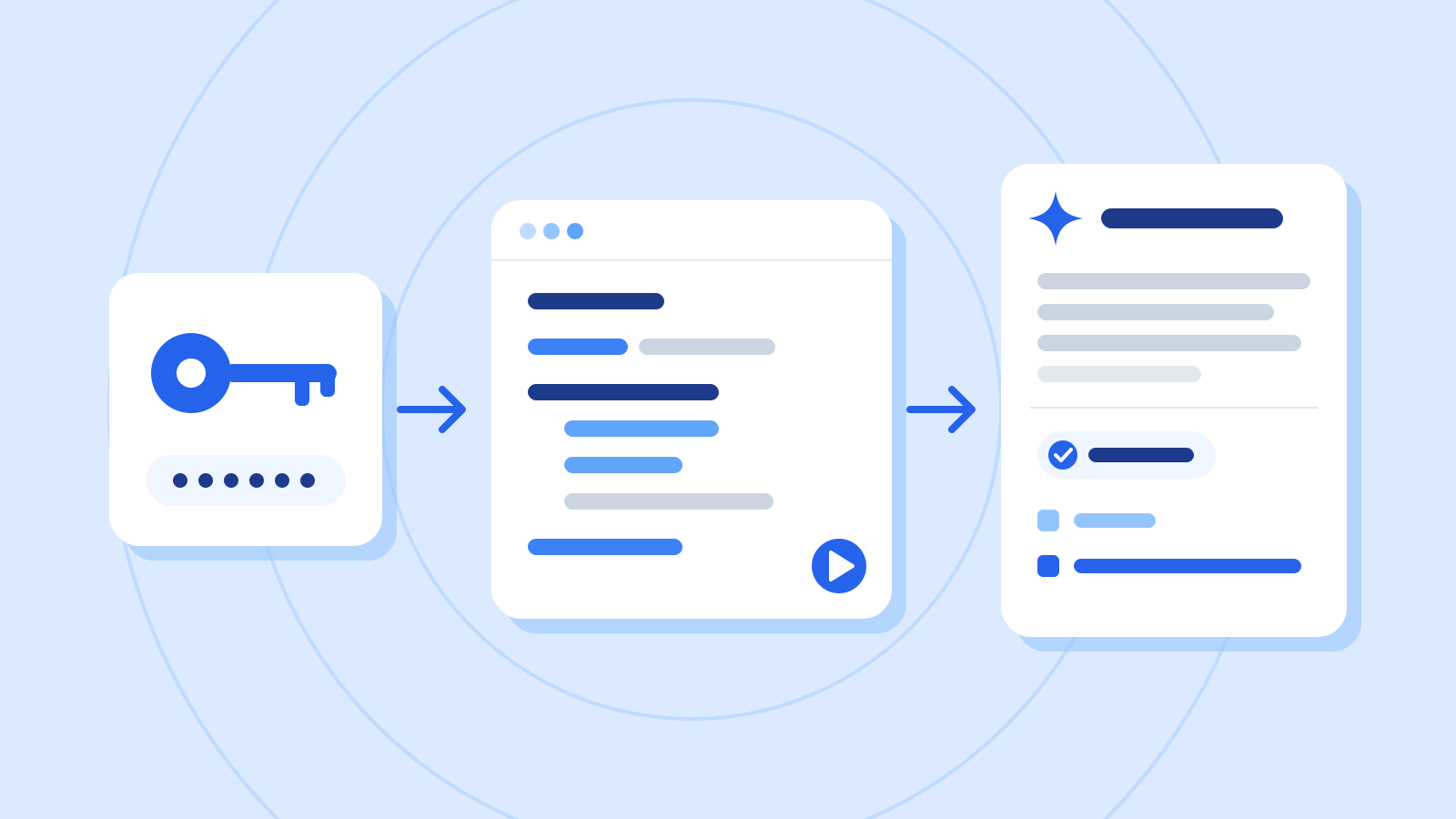
Both models target agentic work that moves through everyday and professional problems step by step, such as handling an insurance claim, understanding a lease or making sense of someone's finances. Meta also highlights expert domains like law, finance and health, along with coding. New features include Active Memory, which keeps what matters to a user across conversations and brings it back when relevant, and Active Focus, which tries other approaches when a task gets hard, recovers from errors and checks in before doing anything important.
On safety, Meta says it trained the models not to share private information without permission and to turn down requests to help with genuinely harmful acts — principles that matter more for personal agents working across messages, calendars and documents. Developers and security teams can still use the models to find flaws in their own code.
Muse Wonder is available now through the Meta Model API and Muse Code, and will soon roll out across Meta's Muse service, starting with subscribers. Meta did not say when Muse Wonder Full will be available. A full report with additional safety evaluations is coming, so the capability claims for now are Meta's own.
Why it matters
The focus of competition is shifting from models that answer well to agents that remember and follow through. Because Meta is leading with agents that touch personal messages, calendars and documents, how they handle private data will matter as much as raw capability.
Who it's for
- Developers
- You can try it today through the Meta Model API and Muse Code. Compare it with your current model on multi-step agent tasks.
- Office workers
- Meta pitches it for paperwork-heavy tasks like insurance, leases and finances. Before handing over personal documents, check exactly what access you are granting.