New US lab Reflection releases Beam, a 501B-parameter open model
3-line summary
- Reflection, a new US AI lab, released its first model, Beam, as an open model on Hugging Face.
- Of its 501 billion parameters, only 23 billion are used per token, and it is built for 1-million-token contexts, coding and agents.
- It ships under the commercially usable Apache 2.0 license and can be self-hosted or tried through Hugging Face's inference services.

Hugging Face announced on October 16 that Beam, the first model from new US lab Reflection, is out. Beam is a mixture-of-experts (MoE) model that computes each token with only some of its expert networks: it has 501 billion parameters but uses just 23 billion per token, so it keeps the capacity of a large model while running closer to the speed of a much smaller one.
It takes text input only and handles a 1-million-token context. Beam is aimed at teams that want to run a frontier-scale model on their own hardware or cloud and customize it, and it ships with its own Rust-based harness for best performance. Reflection reports a score of 81.6% on SWE-bench Verified.
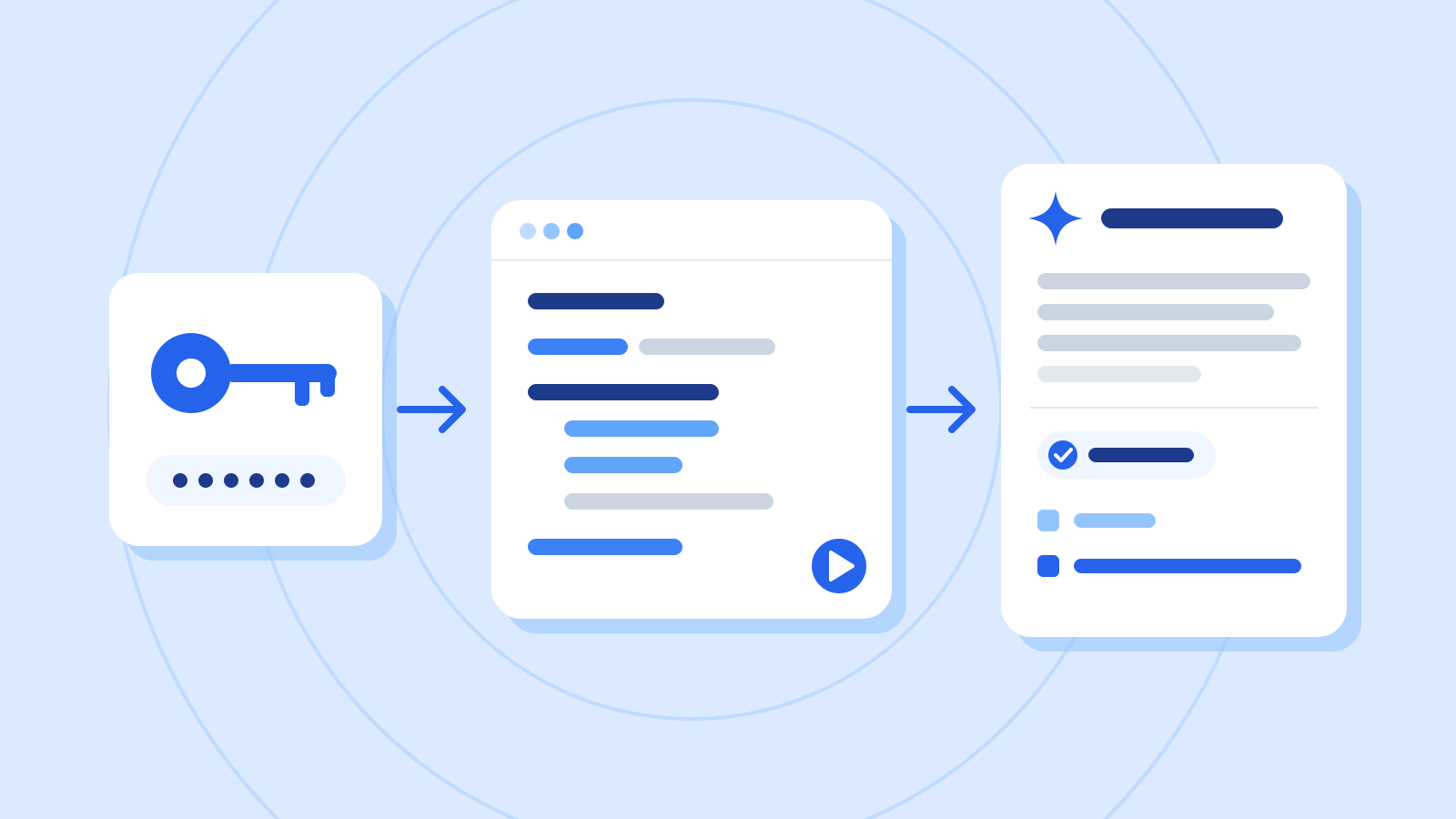
It is ready to run on day one in transformers, vLLM and SGLang. The 4-bit NVFP4 checkpoint shrinks the roughly 1 TB original to about 280 GB, comfortably served on four B200 GPUs. Without that hardware, you can try it through Hugging Face Inference Providers powered by Baseten, Fireworks and Together.
The benchmark results were provided by Reflection. And although only 23 billion parameters do the computing, all 501 billion must sit in memory, so self-hosting takes several high-end GPUs.
Why it matters
Teams now have one more frontier-scale coding and agent model they can take under a commercial license and adapt on their own servers. A new lab debuting with an open model shows the open-model race widening beyond the big companies.
Who it's for
- Developers
- Without the hardware, start with Hugging Face Inference Providers, and size self-hosting around the roughly 280 GB the 4-bit checkpoint needs. Reflection is also offering $10,000 in Hub credits to the best projects built with Beam.