ChatGPT Dots add iMessage and RCS texting for US Pro users
Edited and reviewed by AI Ping Editorial Team
3-line summary
- OpenAI is rolling out Dot texting in beta to ChatGPT Pro users in the United States.
- Users can send text, photos and voice messages; approval requests link back to ChatGPT.
- The verified, one-to-one connection does not grant access to other text conversations.

OpenAI has started rolling out a texting beta that lets ChatGPT Pro users in the United States reach their Dot agent through iMessage or Android RCS. The company added the feature to its October 28 release notes. It supports one-to-one exchanges using text, photos and voice messages, with access arriving gradually on eligible accounts.
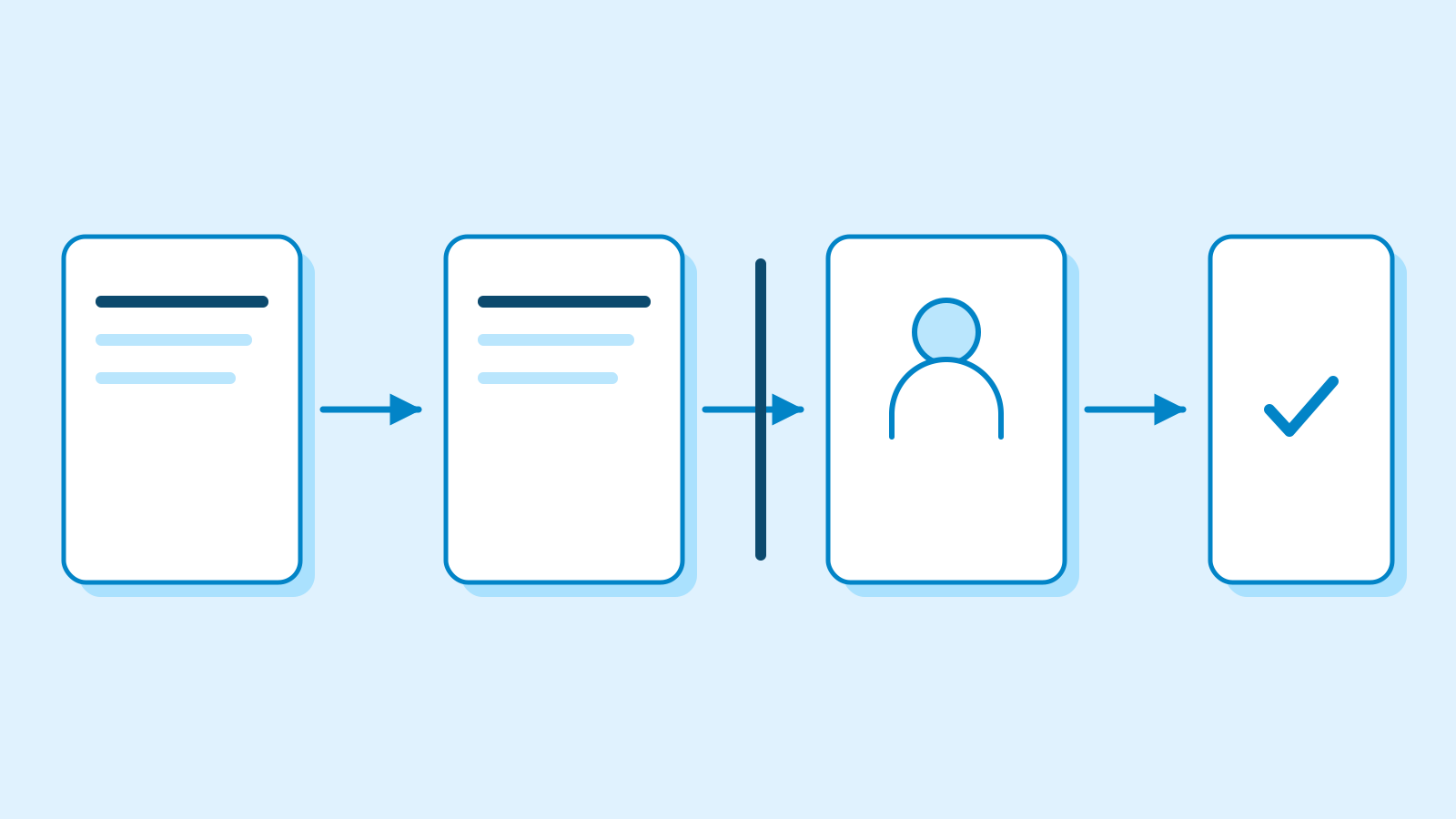
Users can assign work from their regular messaging app and receive a text when their agent has a relevant update. They can specify which updates belong in texts and which should stay in ChatGPT. When a task needs approval, the agent sends a link for the user to review the request inside ChatGPT.

Dots are persistent ChatGPT agents powered by GPT-6 Astra, with their own cloud computer and browser for research, documents and software work. Texting adds another way to reach an existing agent. Relevant context can carry between contact methods, allowing a conversation to continue as the user moves between devices and channels.
Setup includes verifying a phone number in the Texting section of the agent’s profile and saving its contact card. iMessage users must send from their verified number; Android users need RCS enabled in their messaging app.
Contact methods and work permissions remain separate
The texting connection is limited to the owner: only that person can text the agent, and it can text only them. OpenAI says connecting texting gives neither the agent nor OpenAI access to other text conversations. Group chats, telephone calls and FaceTime are outside this channel’s supported features; calls with the agent remain available inside ChatGPT.
App access and computer access have their own connections. The agent works through permitted plugins and their existing permissions. Cloud tasks can continue while the user’s devices are off. Accessing a personal computer’s files and applications requires a separate connection and authorization, and that computer must remain online with ChatGPT open.
Actions that may affect accounts or share information pass through an automatic review against the user’s instructions, permissions, custom rules and built-in safeguards. Depending on the result, the action can proceed, require approval or include a step the user must complete. Password changes are an example of work handed back to the user.
Work remains visible through Activity in the agent’s profile, including progress, files and results. Scheduled work has a separate list. Pausing the main task, stopping a delegated task and canceling a recurring schedule have different effects, so the activity and scheduling views retain distinct controls.

The agent can receive ChatGPT memories and recent conversation context. For personal plans, OpenAI’s privacy guidance says the “Improve the model for everyone” setting determines whether eligible conversations and work may be used for model improvement, including connected-app information used in those conversations. Proactive research and private notes are not trained on directly; information brought into an eligible conversation follows the applicable data settings. Turning off ChatGPT Memory stops sharing, while previously received context remains. Deleting a Dot’s context and managing ChatGPT memories use separate controls.
Texting is a limited US Pro beta rather than a feature of every account with Dot access. Business and Enterprise workspaces are excluded from this texting beta. OpenAI’s help page says message and data charges may apply. Replying STOP stops outgoing texts; managing stored conversations and memories uses the agent’s separate controls.
Sources
- Introducing dots — September 29, 2026 — OpenAI
- ChatGPT release notes — October 28, 2026 — OpenAI
- Message your dot — OpenAI
- Meet dots — OpenAI
- Getting started with your dot — OpenAI
- Control your dot — OpenAI
- Dots privacy, security, and safety FAQs — OpenAI