LingGuang 2.0 keeps subscription and travel tasks running after chats
3-line summary
- Follow-up tasks run in the cloud.
- User authorization is required.
- Memory and permission settings reviewed.

Ant Group announced LingGuang 2.0 on October 27, extending its personal assistant to continuing tasks with explicit user authorization. It is rolling out in China across iOS, Android and the web.
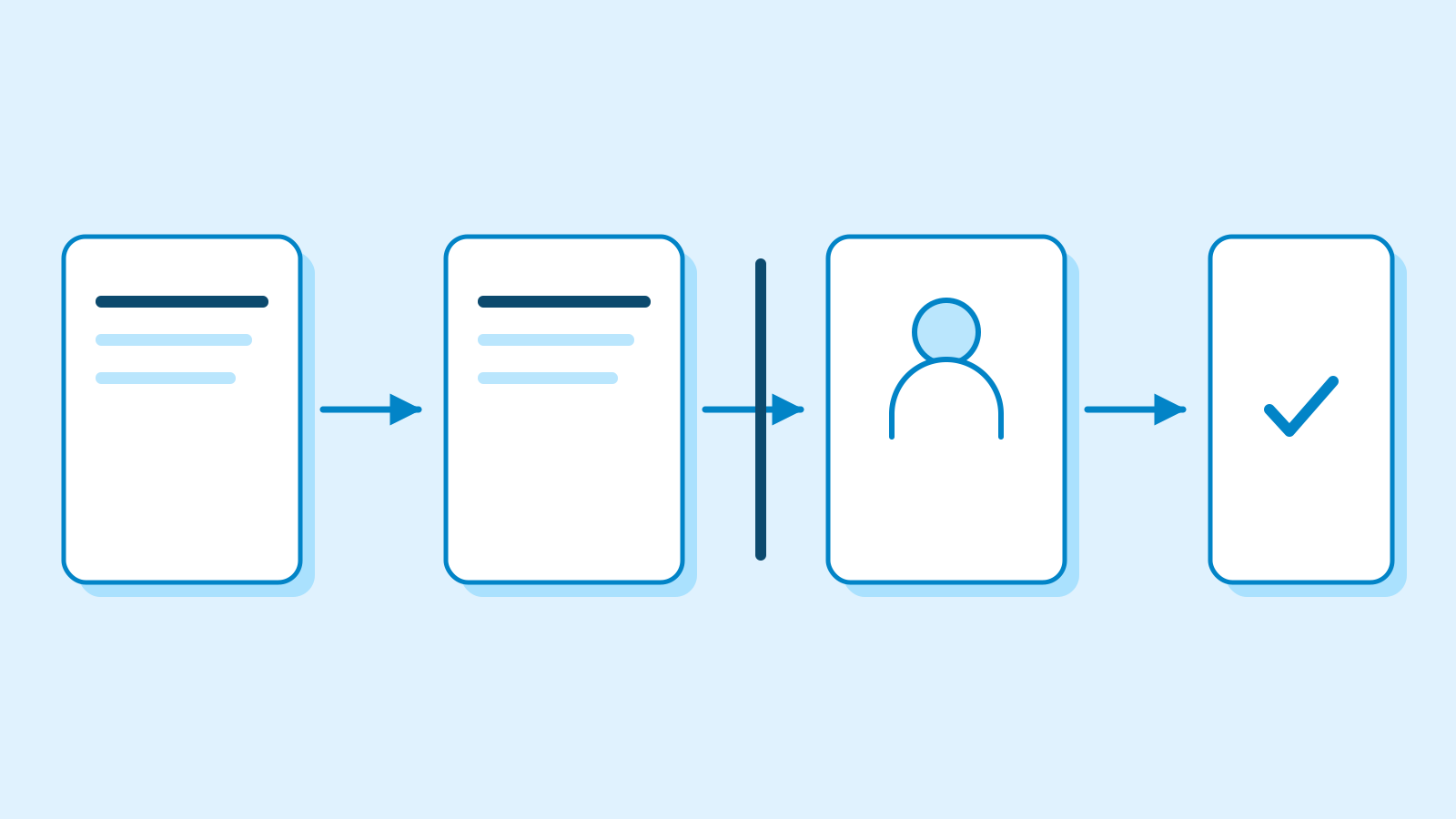
Independent cloud instances keep tasks running after chats. Ant’s examples include finding forgotten Alipay subscriptions and watching flight or hotel prices after booking.

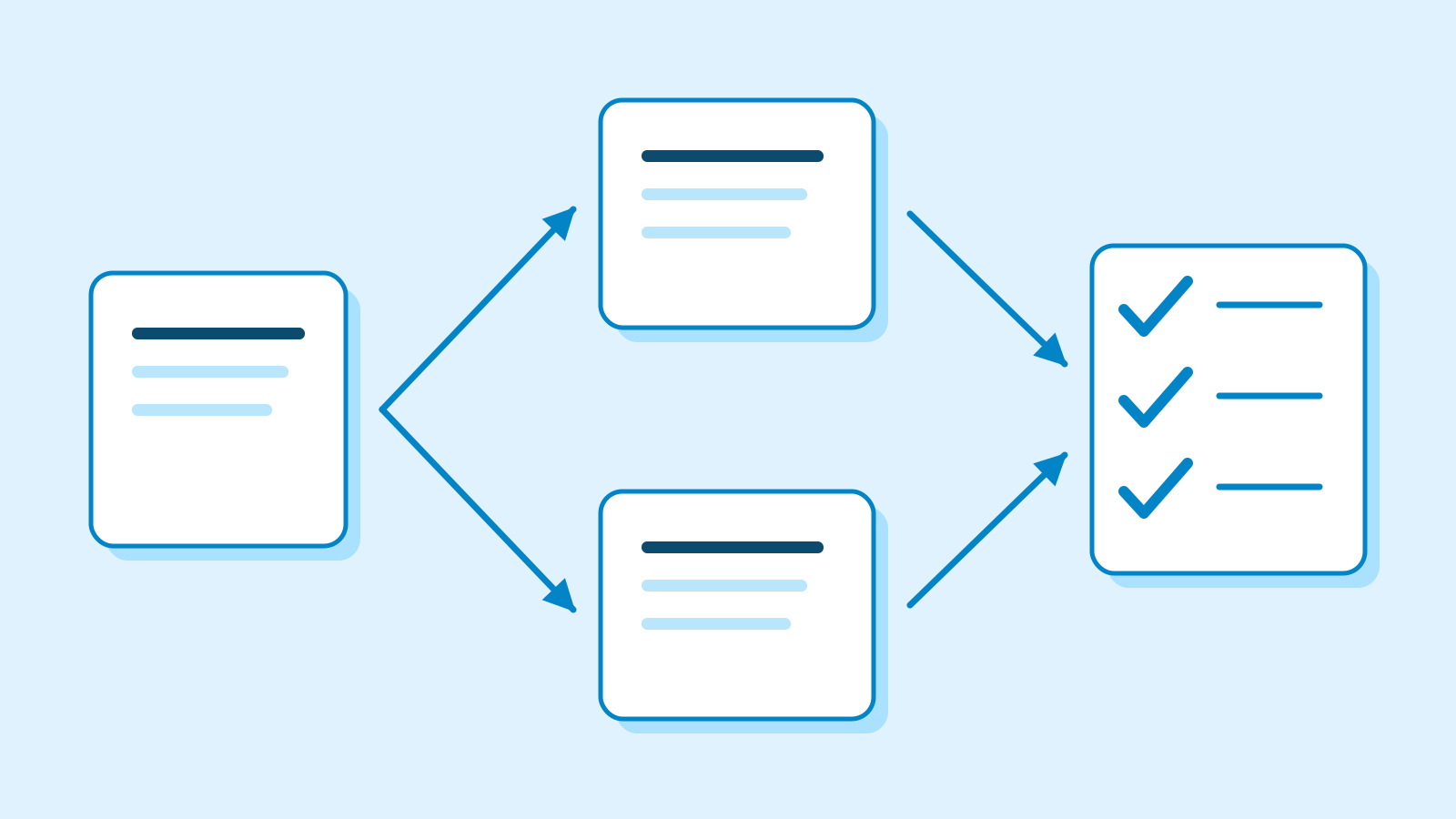
The Chinese App Store listing describes a “帮我管” area for following managed tasks. It brings together progress, plans, checklists and records, including completed work and next actions.
At the October 28 reporting check, the Chinese App Store listed version 2.0.0 with release notes announcing the LingGuang 2.0 upgrade. The iPhone app requires iOS 15.0 or later and is free to download. Listed languages are simplified Chinese, traditional Chinese and English; interface language support does not establish a rollout date outside China.
Memory settings and account authorization
Memory predates this release. The current privacy policy, published August 4 and effective August 11, describes summarizing interests and content preferences users volunteer as background for future answers. It says memory does not use personal identity information.
The policy says users can disable memory in personalization settings, stopping profile-based answers while contextual understanding continues. Sensitive device permissions, including camera, microphone and location access, are not enabled by default. Consent is requested when a corresponding feature needs them. Revoking permission in device settings stops the associated collection and service.
Ant says LingGuang integrates APASS, separating agent execution from stored credentials, with authorization users can review, change or revoke. APASS’s technical overview describes checking permission scope before execution, monitoring risk during a task and recording the outcome afterward. Identity, authorization and verification records support tracing what happened. The overview also describes continuous checks of the environment, agent instance and permissions, and whether execution matches user intent. This is the provider’s description of the safeguards; this reporting did not independently audit them.
LingGuang’s official collection list says conversational text, voice, images and video support retrieval, analysis, responses and instructions. Search and browsing records, content preferences and interests support personalization. Phone numbers and email addresses are listed for notifications, including service messages and security checks, as well as surveys and marketing. Registration information supports security authentication. Device, network, software, process and performance information supports security checks, adaptation and usage or promotion statistics. Feedback records, supporting material and contact details support replies to inquiries.

LingGuang’s current service agreement treats assisted actions as actions taken directly by the user, who bears their consequences and risks. These are contractual terms, not a court’s findings.
The agreement also disclaims guarantees about output accuracy, completeness and timeliness, or assisted actions matching intent. Particular features may have separate agreements and business rules; the actual service scope follows the official released version. The agreement also describes interoperability of activity records across supported clients, including access within Alipay, so users can view their records across those service environments.
Sources
- LingGuang 2.0 launch, 27 October 2026 — Ant Group / Business Wire
- LingGuang — Chinese iPhone listing, version 2.0.0 — Apple App Store / Alipay
- Privacy Policy — published 4 August, effective 11 August 2026 — LingGuang / Alipay
- Personal information collection list — LingGuang / Alipay
- Official agent identity, authorization and audit overview — APASS / Alipay
- Service Agreement — version 20260529 — LingGuang / Alipay