Entire launches Git forge with AI review scores and agent history
3-line summary
- Entire announced an integrated Git hosting, agent review and project memory platform on October 26.
- Trails collect task intent, changes across repositories and evidence behind review results.
- Agent model usage is billed separately, with a $100 trial lasting up to 90 days.

Entire announced a Git development platform on October 26 that puts AI review scores and the history behind a code change alongside hosted repositories. Co-founder and CEO Thomas Dohmke introduced the integrated service with Trails, Git hosting and project memory. Developers can inspect what changed, the intended outcome and evidence from review agents in the same task.
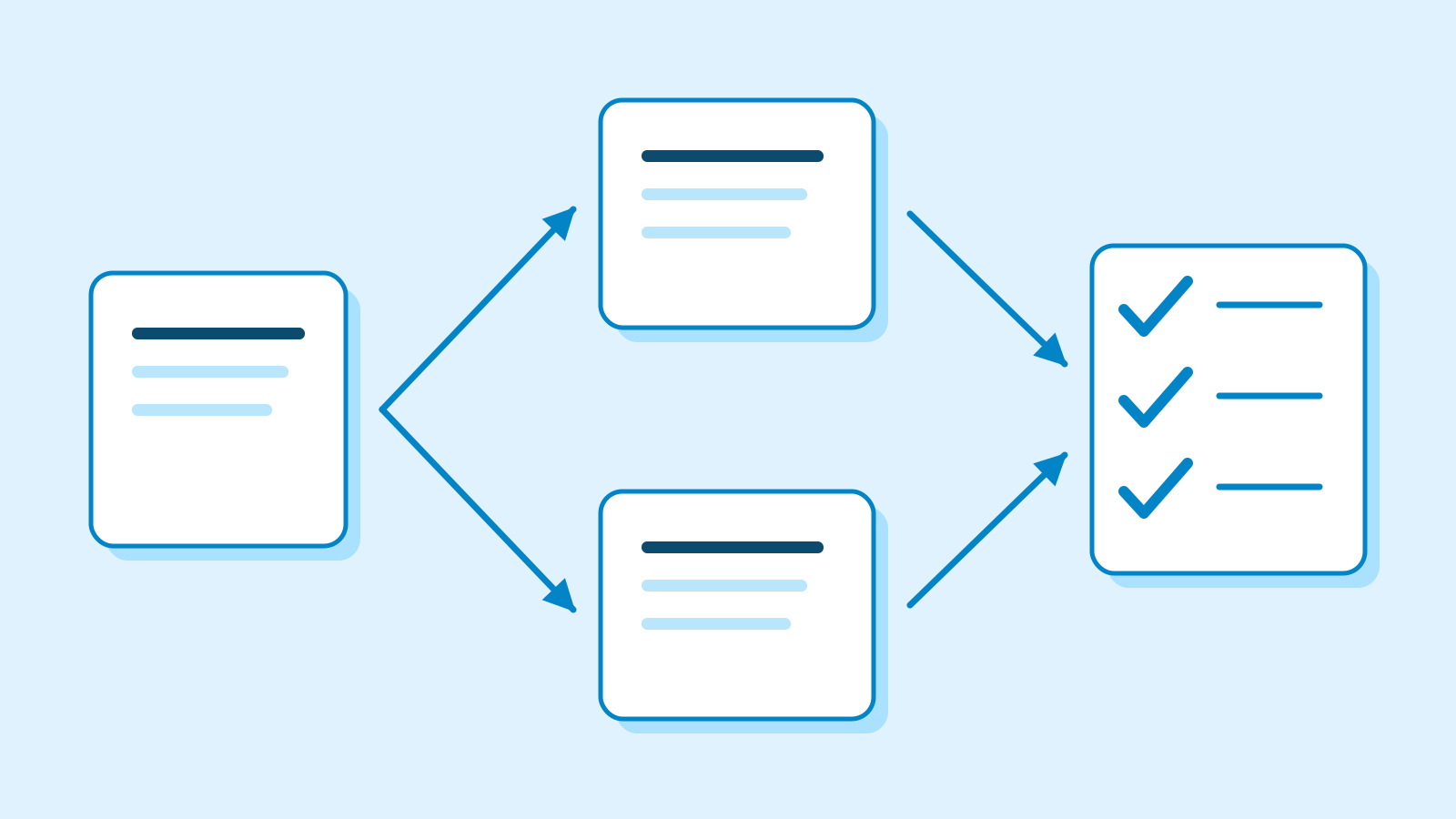
A Trail can start with a bug report or feature request before implementation begins. Teams can link branches from several repositories, collecting diffs, sessions and review findings around a shared goal. A change to a server and its frontend can sit in one Trail, while each linked change is reviewed and merged individually.
Review agents run in isolated cloud sandboxes with configurable instructions. Presets examine code quality, security and sloppy or drifting implementations. Default monitor scores range from zero to 100, with explanations and findings that reviewers can investigate. A developer can push a correction for another evaluation.
Teams choose which repositories and models an agent uses, its instructions and when it runs. Triggers include branch pushes, manual runs and recurring schedules. Automatic reviews require configuration. The resulting scores come with reasoning and code context, giving reviewers material to assess when deciding what needs another correction.
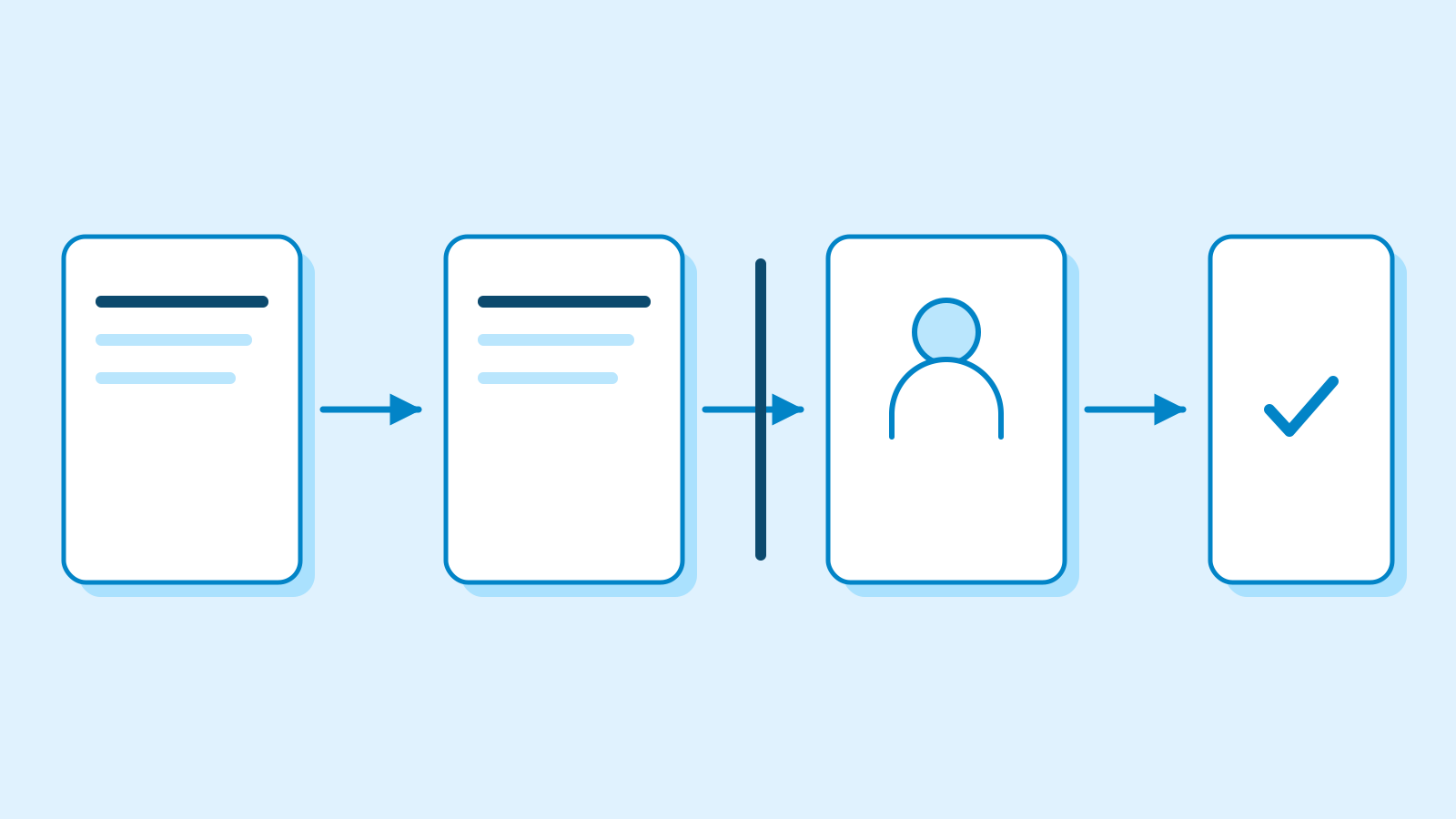
Human approvals and tests can block a merge
Repository merge policies can require a minimum number of human approvals, exclude the author's own approval and reset approvals after another push. They can also check branch freshness and unresolved findings. Teams designate who may bypass a blocking requirement, and each bypass is recorded on the Trail.
Buildkite and Depot integrations are available in public preview. A connected provider fetches the code, runs configured builds or tests and returns results to Entire. Teams can require named checks before merging. Required results are evaluated against the latest commit, preventing an earlier revision's passing result from clearing a newer change.

Entire can host the original Git repository itself, with a primary region and optional replicas elsewhere on its network. A regional replica serves clones and pulls locally and forwards pushes to the primary region. Teams can also connect an existing GitHub repository while keeping that service as the source of truth.
For a GitHub mirror, Entire maintains a synchronized copy for reads but forwards pushes to GitHub. Writes therefore depend on GitHub's speed and availability. GitHub review and merge requirements continue to apply. Mirrors currently require GitHub for Git LFS downloads, which handle large files outside ordinary Git objects.
Project memory combines saved sessions, earlier decisions, documents and code relationships for later work. Entire illustrates this with a handoff from Claude Code to Codex. Memories stay local by default; connecting to a hosted repository enables synchronization for the team. Extracting memories from past sessions can send content to a model provider and incur token charges.

The provenance record connects commits with checkpoints, prompts and sessions. Entire's FAQ describes attribution at the commit level: a line manually edited inside an AI-attributed commit may still carry that commit's AI label. That record identifies the work behind a change rather than guaranteeing a permanent author for each line.
Entire bills agent model usage through prepaid credits while other platform features remain free. Each billing account receives a one-time $100 trial without a card, ending 90 days after issuance or when the credit is exhausted.
At a zero balance, agents stop across that billing account's regions and resume after funding. Automatic top-up is off by default. Metering can lag by several minutes, and calls already running can finish, allowing a small overrun. Purchased credits expire 365 days after purchase.
Sources
- The Git Forge for Agent-Human Collaboration — Entire
- Trails — Entire Documentation
- Agents — Entire Documentation
- Gates — Entire Documentation
- Overview — Continuous Integration — Entire Documentation
- Repositories — Entire Documentation
- Mirrors — Entire Documentation
- Overview — entire-brain — Entire Documentation
- Frequently Asked Questions — Entire Documentation
- Billing — Entire Documentation