Researchers build a community review hub for OpenAI’s math write-ups
3-line summary
- Four researchers invited participation through a guest post on Tao’s blog.
- The catalogue’s 719 manuscripts and 372 families are not a verified-theorem count.
- Contribution records distinguish checked sources, unrun proofs and unreviewed AI notes.

Researchers are inviting a community effort to improve explanations and references in OpenAI’s AI-written mathematics manuscripts. In an October 24 guest post on Terence Tao’s blog, four researchers introduced oai-math-revised and sought participation from students, postdocs, professors and enthusiasts. They identified difficult exposition and potentially incomplete citations as reasons for the project.
OpenAI’s source repository contains manuscripts and supporting proof artifacts produced by an internal model. Its current catalogue lists 719 manuscripts in 372 families. A family can combine a principal result, companion arguments, consequences or alternative proofs. The two totals therefore describe different groupings, rather than a count of independently verified theorems.
The guest authors are Abhinav Nellore, Johannes Schmitt, Soledad Villar and Rachel Ward. Their community fork of openai/math was created October 10, before the public invitation.
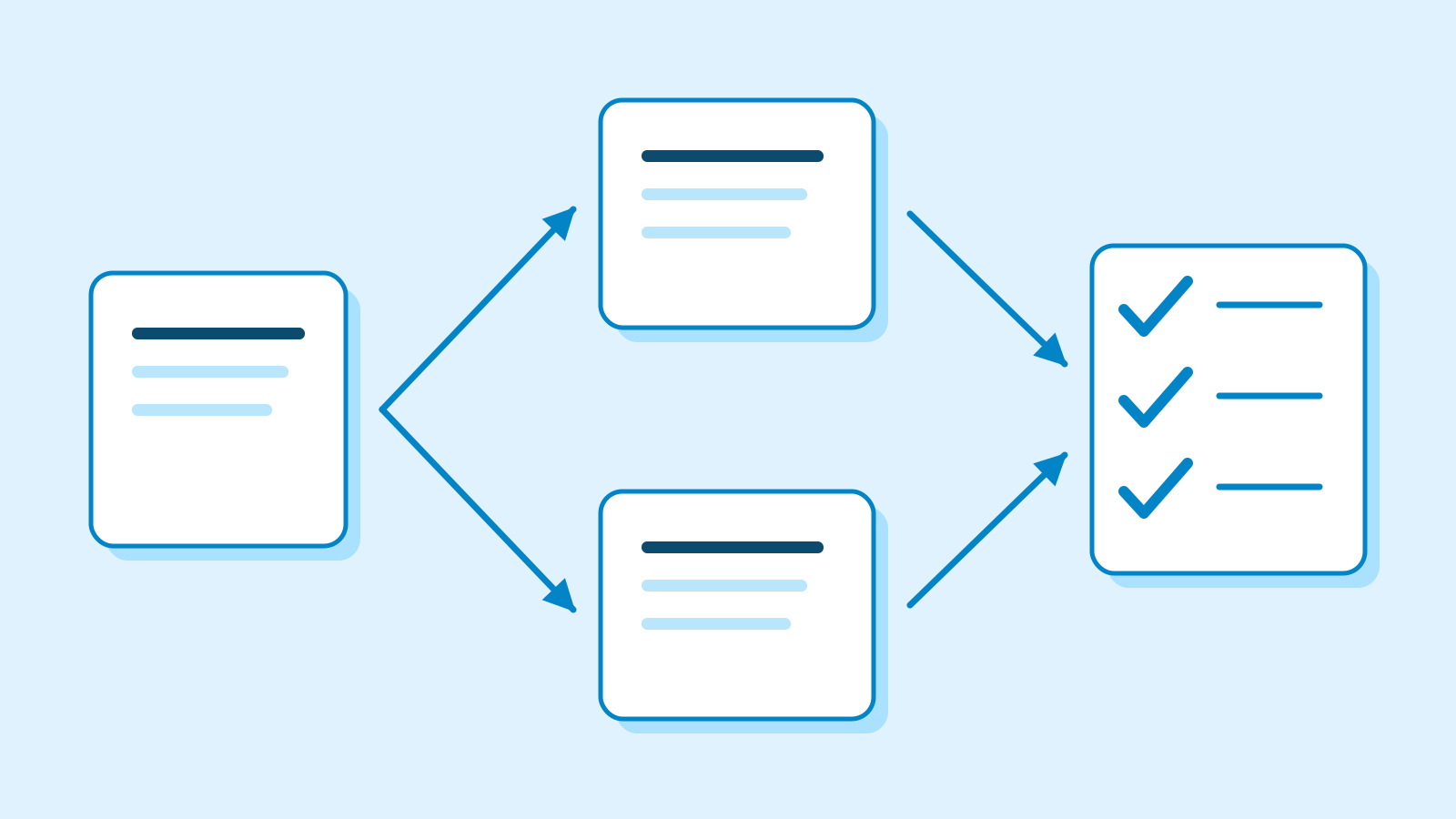
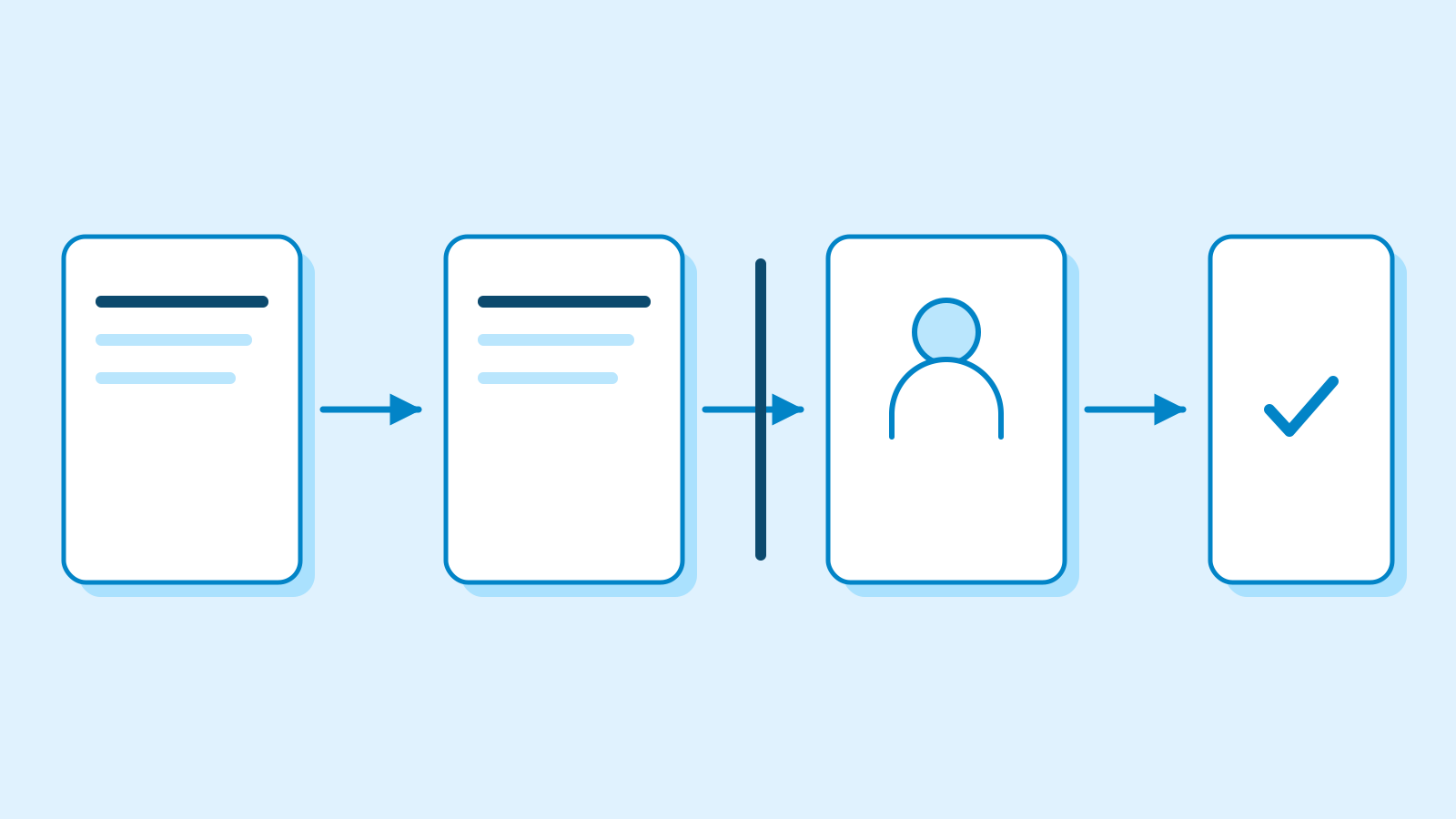
Contributions can add prior references, improve exposition, flag errors or propose repairs. Paper-level notes collect follow-up work, constructive reviews and potential reading groups. Manuscript edits are submitted as source and rebuilt PDFs, with maintainers reviewing submissions rather than accepting edits directly into the public record.
Reviewed contributions and automatically gathered notes
The website brings PDFs and notes together but labels automatically gathered material separately as unreviewed. On its Fourier-circuit paper page, that section identifies the AI tools and collection date and warns that no person has checked it. Its literature suggestions and summaries may be incorrect or incomplete.

An October 25 merged contribution, PR34, added Jacob Sussman’s Walsh–Hadamard circuit repository to a paper’s follow-up notes. The contribution record says a maintainer checked the source. Its description limits the reported improvement to leading constants in operation counts, distinguishing that result from settling the original paper’s question.
The PR expressly says its contributors did not compile the linked Lean proofs. The note also retains the author’s disclosure that AI agents produced the circuits, proofs and write-up under his direction, without line-by-line human review. Acceptance of the reference records that narrower checking scope.

OpenAI itself says the original collection contains results at different verification stages and that not all have Lean formalizations. Unformalized results could have issues. Its stated revision policy preserves earlier public versions and records corrections as new versions, leaving a history of what changed.
Accepted contributions carry a date, contributor handle, description and PR link, displayed on paper pages and the activity list. Substantial use of language models or proof assistants must be disclosed. Pseudonymous GitHub participation is allowed.
Issue forms also ask whether maintainers may use AI tools to draft a response to the reported problem. The submitter chooses; a person reviews proposed changes either way.
Sources
- oai-math-revised: a community hub for revising OpenAI’s math write-ups — Nellore, Schmitt, Villar and Ward / What’s new
- Community repository — project and contribution scope — mathcommunity
- Original mathematics repository — scope and verification status — OpenAI
- How to contribute — review and AI-assistance choices — mathcommunity
- Finite tensor savings and exact Fourier circuits — notes and review labels — mathcommunity
- PR34 — Sussman follow-up reference and checking limits — mathcommunity
Corrections
- Clarified the scope of reference checks and refined the English lead.