Microsoft opens Agensh, where AI peers choose their own work
3-line summary
- The October 24 release includes the harness, launch scripts and reproduction guide.
- The 1,024-agent result comes from the earlier Pandoc experiment.
- The released reference environment differs from the historical main experiment.

Microsoft has opened the code behind Agensh, a research system tested with up to 1,024 cooperating AI agents. Its repository dates the release of the harness, experiment launch scripts and reproduction guide to October 24. Workers choose their own tasks without a central coordinating agent. The research preprint appeared earlier, on September 22. The code has an MIT license.
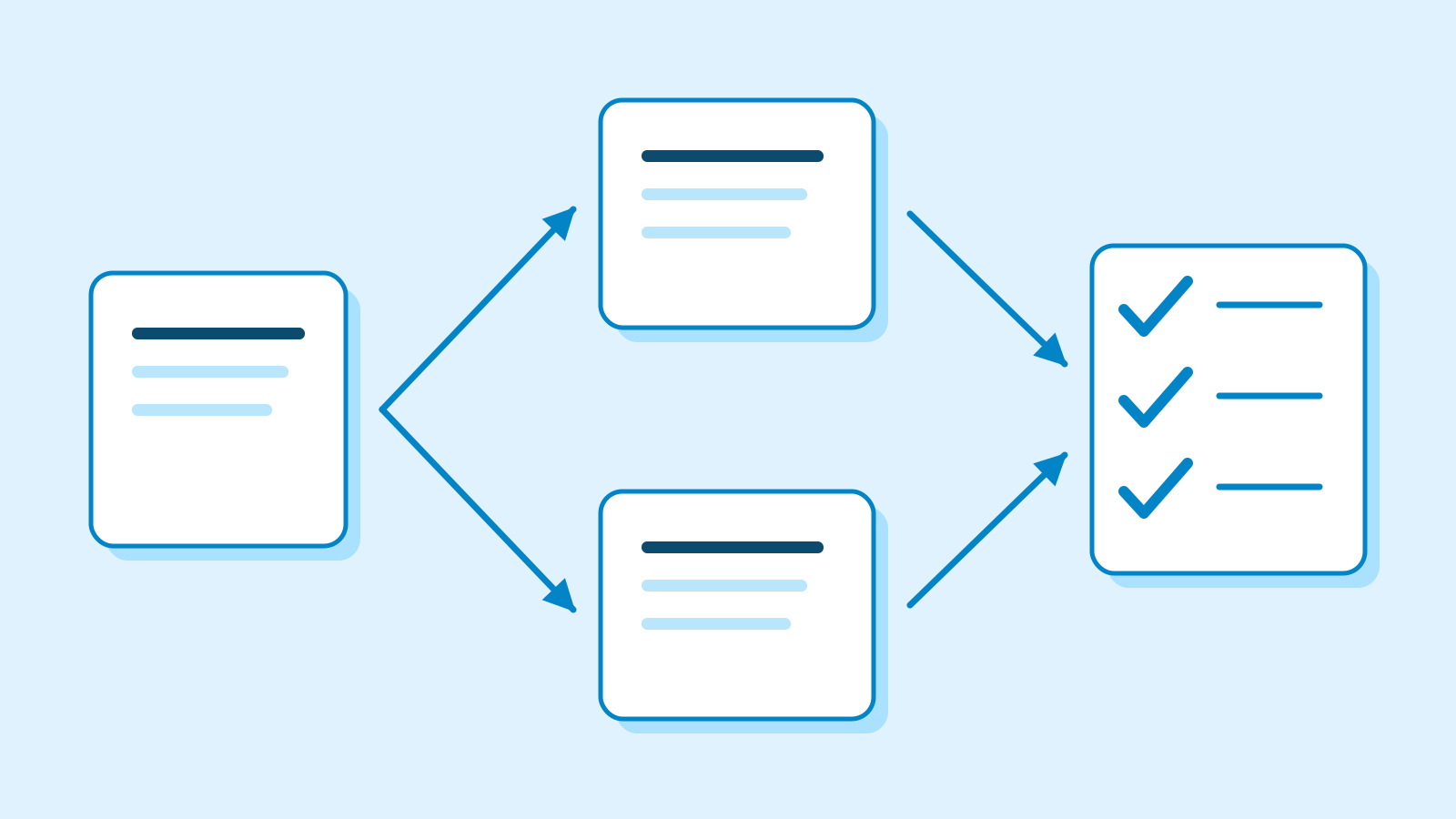
Workers inspect peer progress, choose subtasks, check results and merge contributions. Gitea holds code, Mattermost carries messages, and shared context retains findings and work intentions. Agensh coordinates cooperation above each worker’s Copilot harness.
The shared-context service separates current work claims from retained history. Claims disappear from the live view after one hour by default, while the database keeps all admitted revisions. The service checks the text of submitted notes without executing the verification commands workers report. An agent’s statement that it checked a change is therefore distinct from a service-run test.
A router alongside each worker gathers events and serializes Copilot turns. Urgent direct messages and new peer notes accompany tool results; group messages wait for a turn boundary. Failed deliveries retry with backoff, and startup attempts to reconnect to the saved native session after recovering interrupted sends.

Released code and historical results differ
In the paper, researchers rebuilt program behavior with Internet access disabled, GPT-5.6-sol at high reasoning effort and a six-hour budget. Across five difficult ProgramBench tasks, mean test-pass rates rose from 19.31% with one agent to 28.78% with 128. The 1,024-agent experiment covered the document converter Pandoc, rising from 33.89% with one agent to 55.06%. That figure does not describe a 1,024-agent run across all five tasks.
The release supplies both a single-node Docker Compose team and a standalone single-agent baseline. Its reproduction environment requires Linux, Docker and systemd, among other tools. The default team has eight workers, with six hours per task.
The guide identifies differences from the historical experiment. The release pins Copilot 1.0.70 and uses the v6 reference environment. The main historical experiment began with an older reference whose executable differs even when version strings match. A fresh run using the release consequently has its own conditions rather than establishing exact historical reproduction.

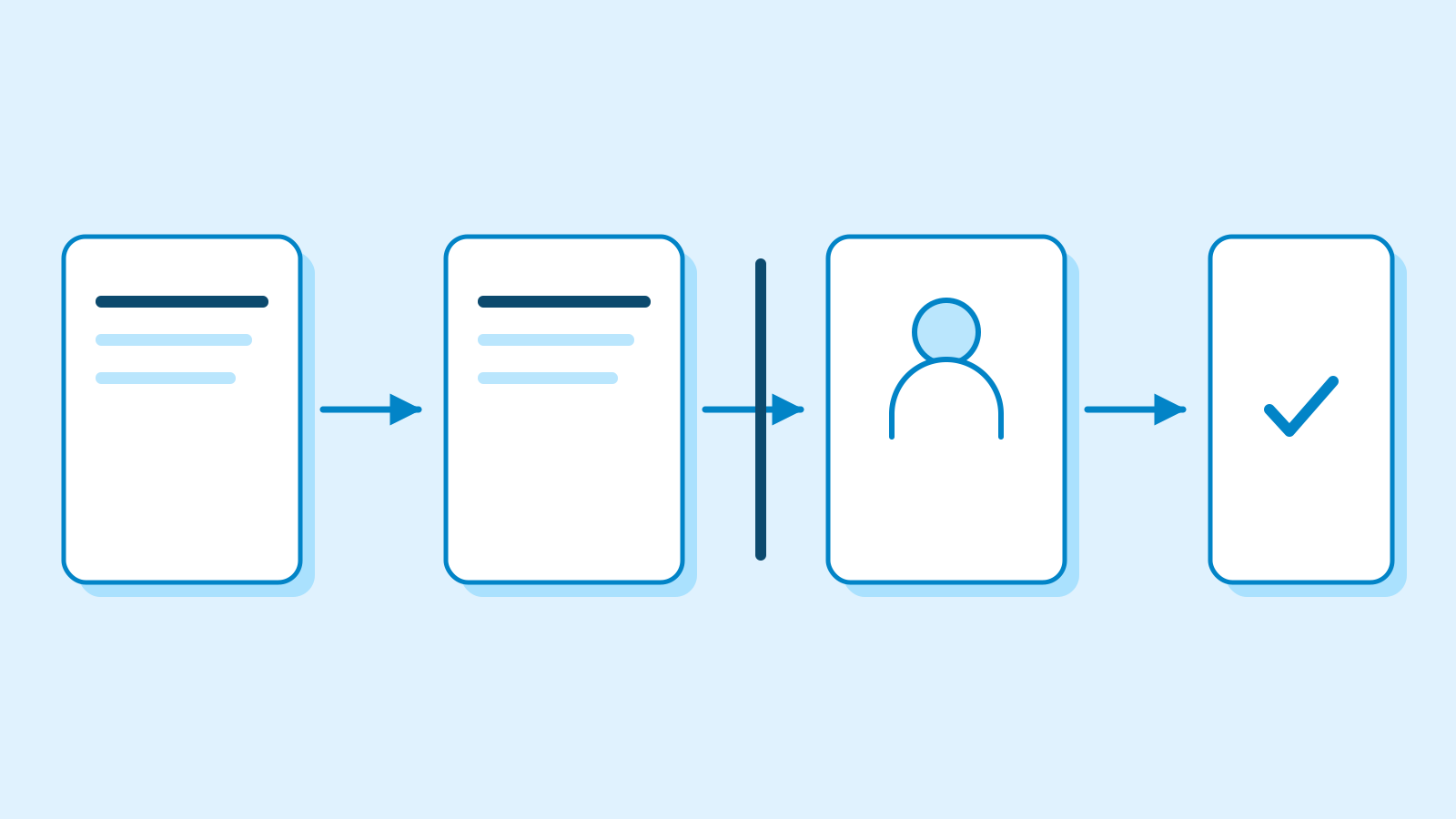
The submission boundary is also explicit. The export tool packages committed Git HEAD, and evaluation rebuilds the build outputs. During preparation, the tool places the reference executable outside the source tree, separating it from the work being submitted.
For comparisons, the score reporter uses ProgramBench’s own helpers to collapse repeated test identities into its canonical-kept score. The repository distinguishes that result from the launch log’s SCORE line, which counts raw attempts. It directs experimenters to retain the evaluator revision alongside the reported result.
Sources
- Agensh — code release and project overview — Microsoft
- Agensh preprint — September 22, 2026 — Microsoft Research
- Shared context — claims and retained records — Microsoft / Agensh
- Per-worker event router — delivery and recovery — Microsoft / Agensh
- Reproducing Agensh — release conditions and differences — Microsoft / Agensh
- Submission and scoring utilities — Microsoft / Agensh
- Launch lifecycle and raw-score reporting — Microsoft / Agensh