Agent Swarm fixes child workflows that survived cancellation
3-line summary
- Agent Swarm 2.5.4 fixes cancellation across child workflows that previously stayed active.
- Optional request keys replay the original create or trigger result after a retry.
- Deployment-interrupted items default to one retry after 30 seconds.

desplega.ai released Agent Swarm 2.5.4 on October 25, fixing child workflows that remained active after their parent was cancelled. The release also adds duplicate-request protection when creating or starting workflows and repairs retries for parallel agent tasks interrupted during deployment.
Agent Swarm is an open-source system in which a lead agent delegates goals to workers such as Claude Code or Codex. Workers use isolated containers, shared memory, schedules and review gates. Work can arrive through Slack, repositories, issue trackers, email or an API, then be distributed across the team. Memory and agent identity persist across sessions, and the dashboard provides task logs and file attachments. Workflows, schedules, scripts and apps support recurring work.
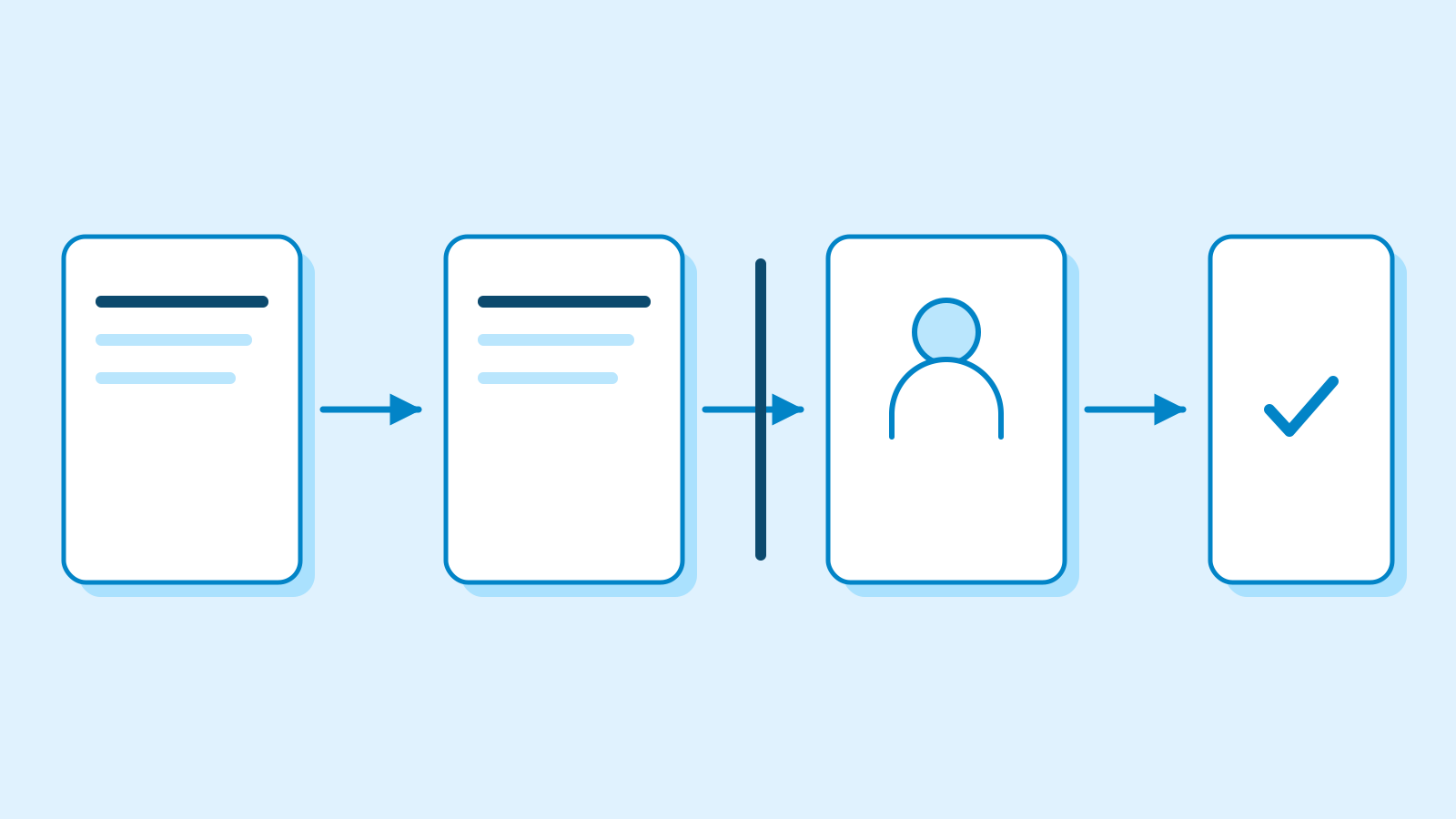
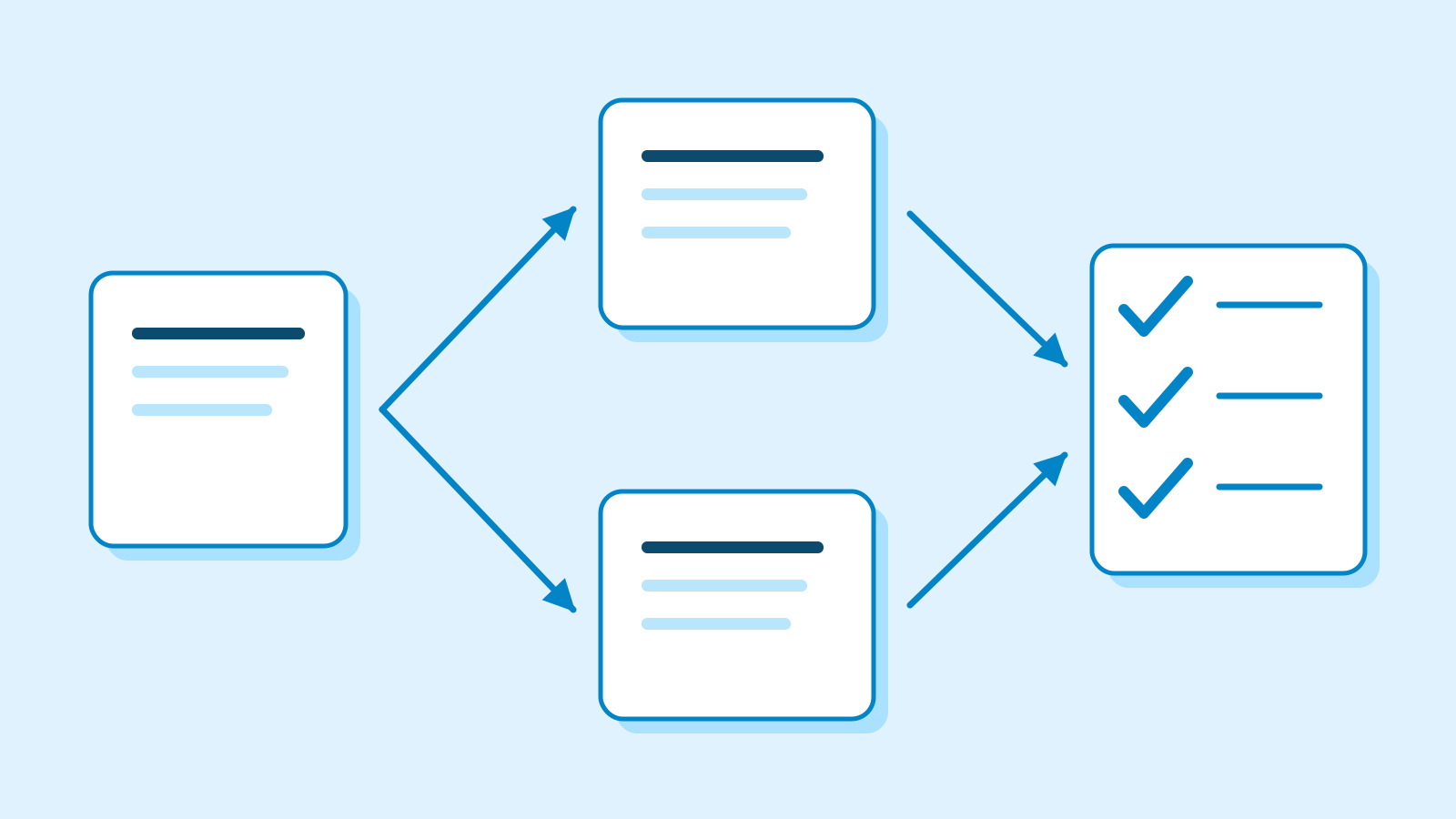
Cancellation now follows stored parent-child links through the descendant runs, clearing open tasks, unfinished steps, pending approvals and queued retries. Guards block new engine work and late callbacks after cancellation. Completed descendants retain their status and output. Repeating cancellation can clean up children that an older release left active.
This guarantee concerns database state. It does not immediately kill an already-running script or model call; an agent session can continue until its worker observes the cancelled task. External changes already made are not rolled back. The project includes regression cases for child creation around cancellation and children that finish late.
An optional Idempotency-Key header lets create and trigger HTTP requests replay their original response after a timeout. Keys are scoped by caller, operation and target workflow. Requests without a key behave as before.
The same key with different content returns 409; replay after workflow deletion returns 410. Accepted keys never expire. External actions inside steps are not made exactly-once. The change record says Script SDK and MCP create and trigger tools do not yet send keys.

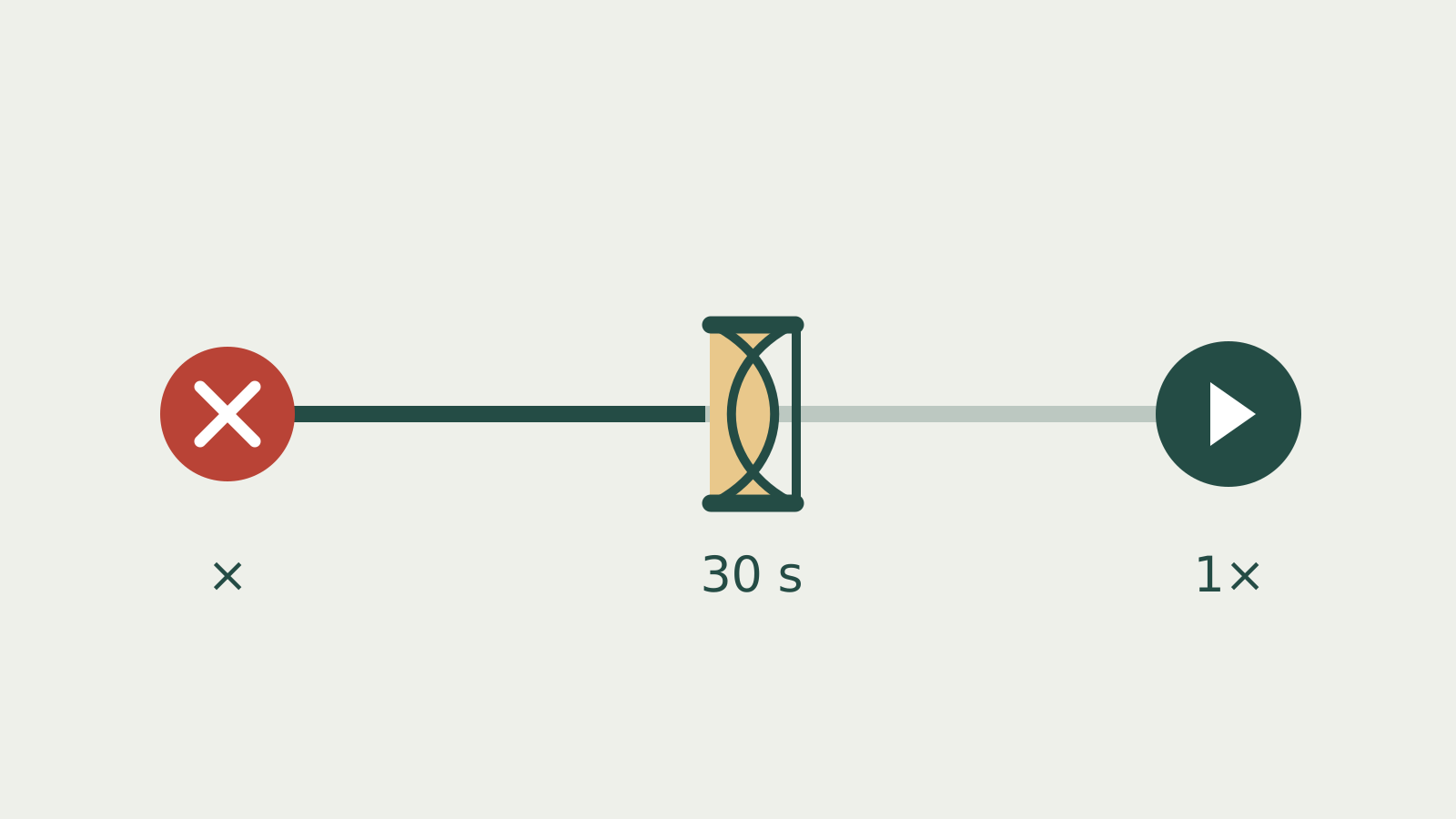
The release also fixes foreach agent-task items interrupted during deployment. Previously, item identifiers escaped the retry lookup and entered the aggregate as failures. The matching interruption now gets one default retry after 30 seconds, dispatched as a fresh task.
A retry awaiting dispatch keeps its concurrency slot and prevents the join from treating the item as settled. An explicit parent retry policy overrides the default; maxRetries set to zero disables it. Other failures retain their existing policy. Retries cannot revive failed or cancelled runs.
Version 2.5.4 is listed for npm, Bun and Docker deployments of the server, workers and dashboard. GitHub dates the release to October 25 at 02:52:48 UTC; the fixes were merged on October 24.
Sources
- Agent Swarm v2.5.4 — desplega.ai
- Agent Swarm product overview — v2.5.4 — desplega.ai
- Workflow cancellation — #2377 — desplega.ai
- Idempotent create and trigger — #2380 — desplega.ai
- Foreach deploy-interruption retry — #2370 — desplega.ai
- Release-pinned workflow behavior and limits — desplega.ai