GitHub adds peer comparisons for Copilot agent adoption
3-line summary
- Peer comparisons cover 28 days.
- Code is excluded from shared data.
- Results exclude API access.
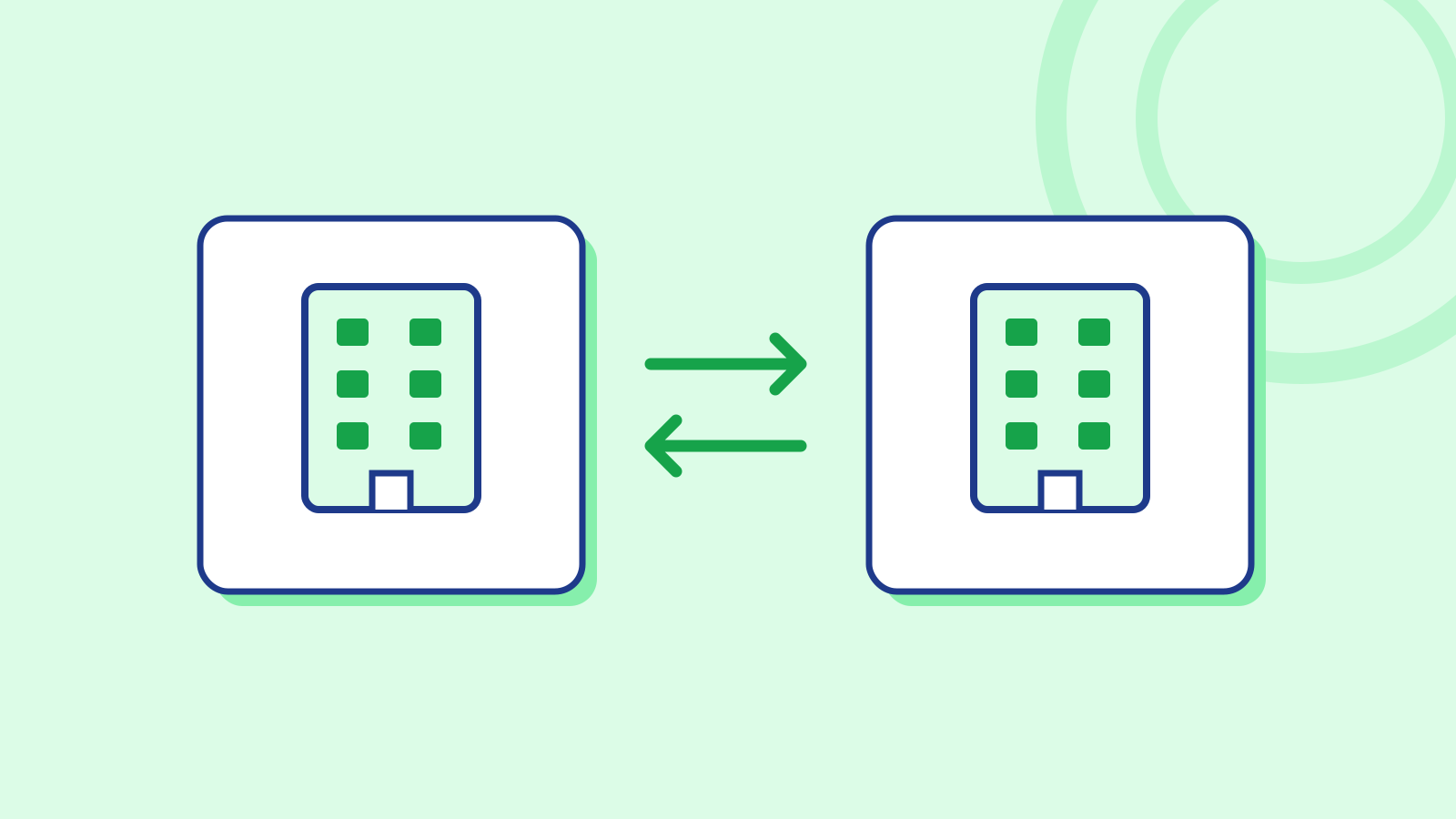
GitHub has added peer comparisons to its Copilot impact dashboard, letting companies compare agent adoption with other participating businesses. The October 22 release notice calls the feature “Industry comparison.” Participation is switched off by default and requires an explicit opt-in.
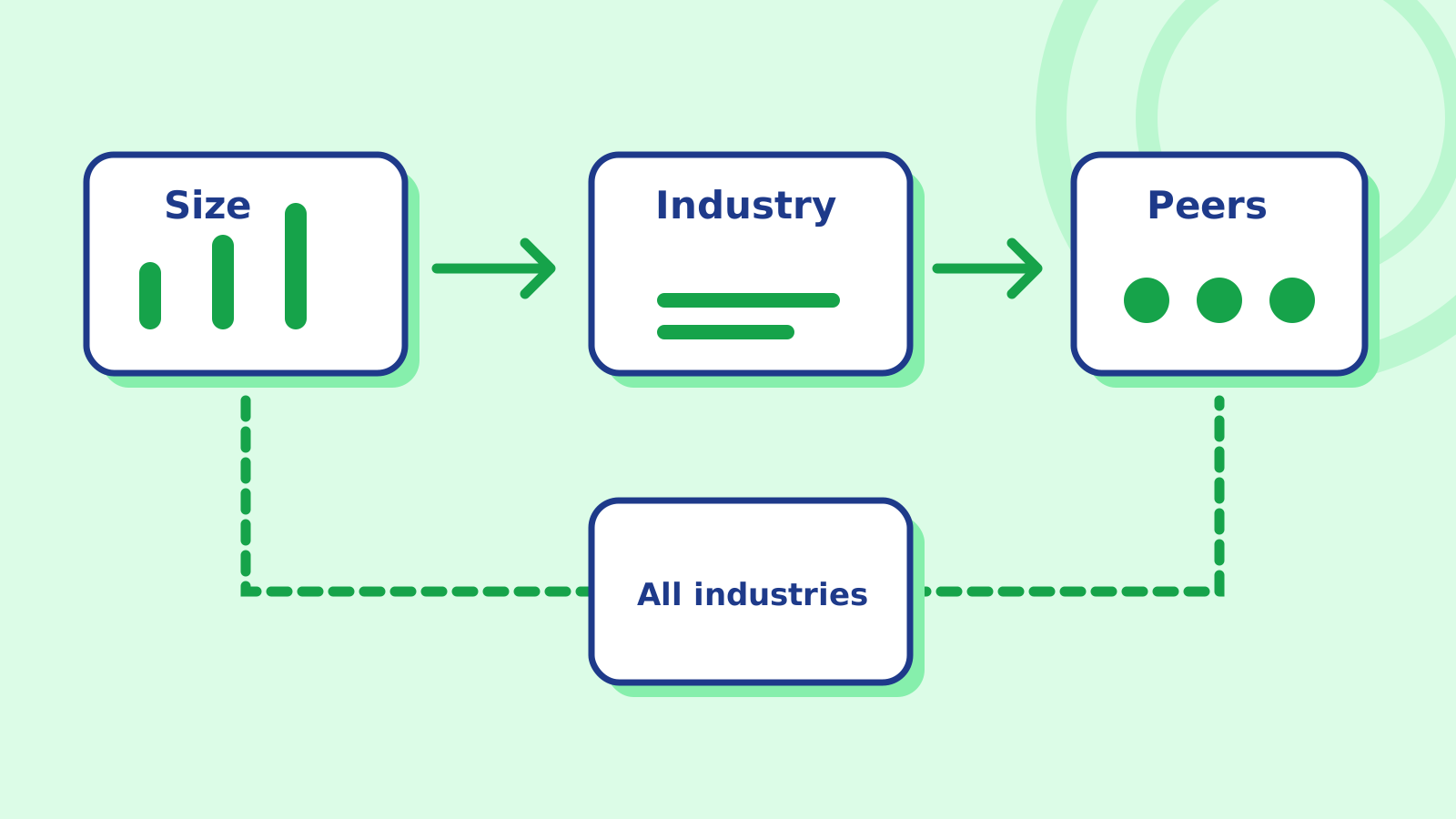
Peer groups use company size and one of ten industries. Scores cover 28 days and are compared with the peer median. A top-decile comparison appears as participation grows. The pool consists of businesses participating in the feature.
Automatically assigned Copilot code reviews count as activity, alongside manually requested reviews. Activity on one GitHub-based agent surface on at least two days in the trailing 28-day window qualifies for “agent-first.” Using two or more surfaces, or the Copilot app, on that same two-day basis qualifies for “multi-agent.” Agentic adoption is the share of active users in those two groups.
The other measure, “leverage,” compares monthly pull request merge rates per user for agentic and non-agentic users. GitHub explicitly describes industry comparisons as associations, not evidence of causation. Team composition, project type, engineering practices and adoption maturity can affect both measures. A company’s ranking can also move while its own score stays unchanged if the participating peer cohort changes.
When an industry has too few participants, the dashboard broadens the comparison to all industries in the same company-size band. If that pool is still too small, no ranking appears. Rankings also require a calculable company score: an entirely agentic active-user population leaves no non-agentic baseline for leverage.
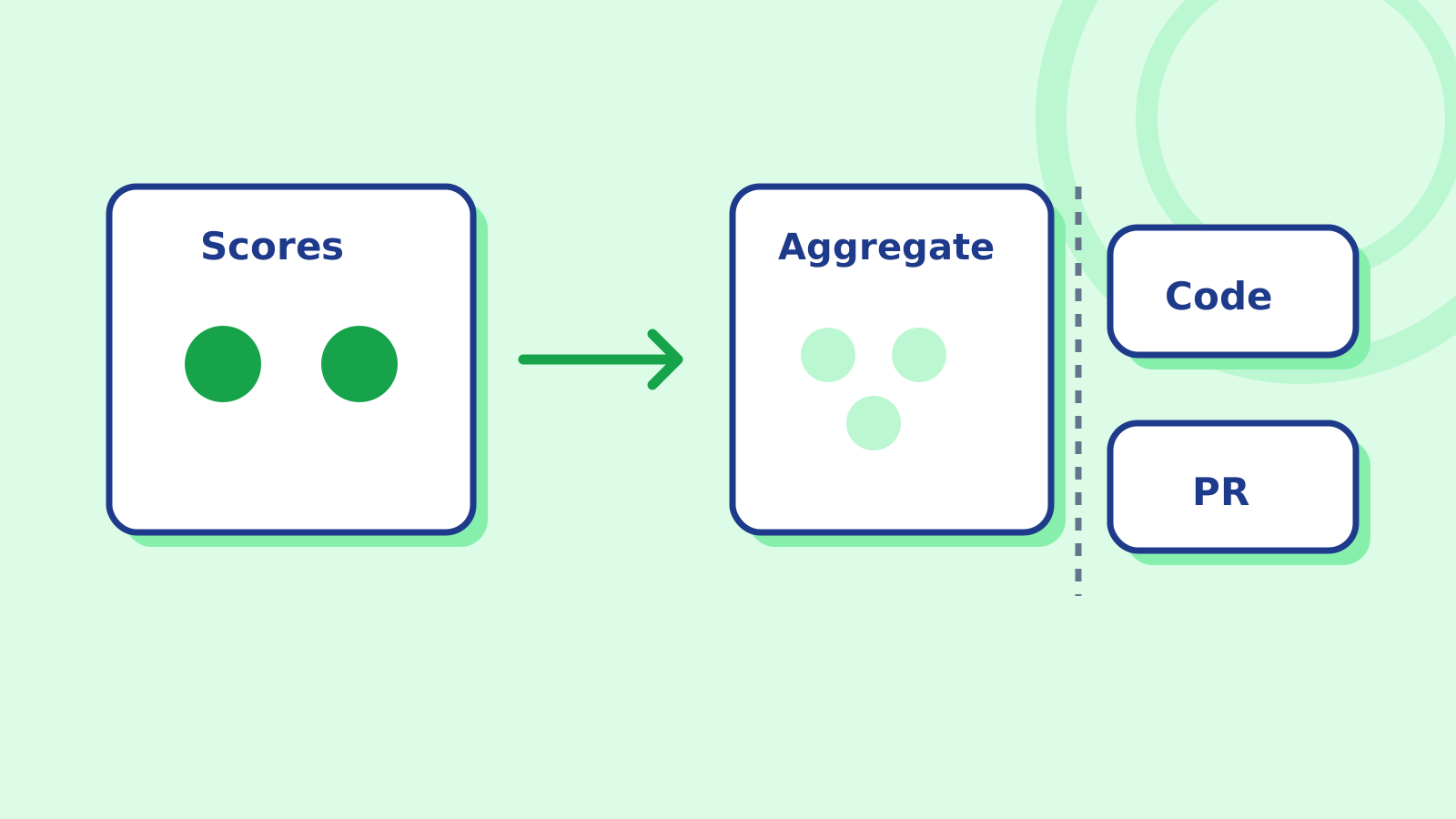
Only two summary scores, adoption and leverage, are contributed. Usernames, individual activity, code, repository content and pull request content are excluded. Other participants cannot see which companies joined or the number of participants in a cohort. Company size and industry are self-reported and are not verified by GitHub.
Enterprise owners and owners of standalone organizations control participation. Organizations within an enterprise join through that enterprise; enterprises used solely to assign Copilot Business licenses are excluded. Permission to view the dashboard does not itself grant the ability to enable participation. The Copilot usage metrics policy must also be enabled. People with custom metrics-viewing roles can read the dashboard. Enterprise billing managers are also eligible dashboard viewers.
Comparisons refresh daily. Opting out immediately removes comparisons from the dashboard, with data excluded from the next daily calculation. Previously calculated, non-identifying aggregate results are deleted after 30 days.
Industry comparisons remain exclusive to the dashboard. They are absent from the Copilot usage metrics API, NDJSON exports and downloads.
Sources
- Industry comparisons in the Copilot impact dashboard — GitHub Changelog
- GitHub Copilot usage metrics — GitHub Docs
- Viewing the Copilot impact dashboard — GitHub Docs
- Interpreting usage and adoption metrics for GitHub Copilot — GitHub Docs