Amplitude opens Wave to paying teams to find and test product fixes
Edited and reviewed by AI Ping Editorial Team
3-line summary
- Amplitude opened paid Wave access to Growth and Enterprise customers on November 12.
- Wave studies how people use a product and proposes changes with a hypothesis to test.
- Teams choose what to develop and can measure the release against the original goal.

Amplitude opened paid access to Wave on November 12 for customers on its Growth and Enterprise plans. The product agent looks for places where people get stuck in an app or website and proposes changes tied to a goal, such as getting more users through signup. A team can hand off an approved proposal for development and use the original goal to measure what happens after release.
Amplitude’s November 5 quarterly filing described Wave as being in closed beta. The new offering gives eligible customers on the two plans a way to adopt it. Amplitude says teams need product analytics and session-replay data, which records how people interact with a product. The announcement and product page direct customers to an access request or a sales conversation and give no separate price for Wave.
From a stalled journey to a proposed fix
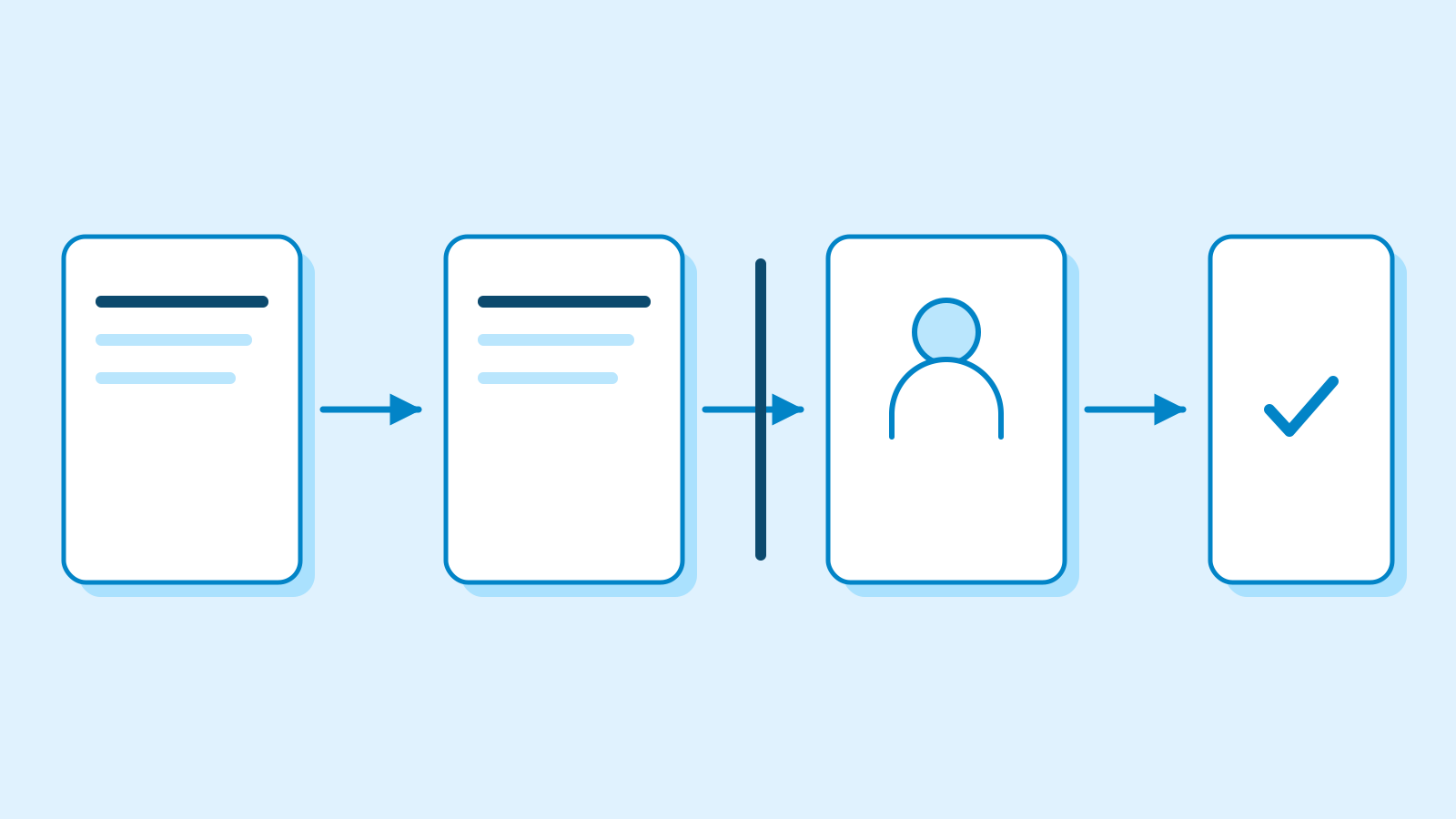
Wave investigates a defined part of the product. Analytics can show where users abandon a sequence, a recording can reveal what they tried to do on that screen, and customer feedback can explain a recurring complaint. The agent combines findings into a proposal that sets out the problem, an idea for addressing it, and a hypothesis the team can test. Product managers can open the underlying charts or recordings to check the evidence.
Teams can narrow an investigation to a journey such as checkout and specify the outcomes they care about. They can also set guardrail metrics, which track outcomes that should stay stable while the team tries to improve its primary measure. A team reviewing a suggestion can edit it or explain why it is declining it. Wave uses that feedback alongside the original goals when looking for future improvements.
For work a team decides to pursue, Wave can carry the evidence and a description of what counts as a completed change into a project tracker. Teams that connect a code repository can get a plan grounded in the relevant code and ask a coding agent to prepare a change for review. Product and engineering teams decide which suggestions to develop and what to release to customers.

What the first results can measure
When teams use Amplitude’s experimentation tools, they can expose part of their audience to a proposed change and compare it with a group using the existing version. They set the exposure and the metrics, then review the resulting measurements alongside the original proposal. That keeps the reasoning for making a change attached to the results. How soon a team can judge the effect depends on when it launches the test and how much data it collects.
Amplitude first investigated how often people used the ready-made question cards on its own AI-agent homepage. In 100 session replays, users typed a question in 80 sessions and picked a card in 12. Wave proposed offering suggestions based on recent charts and dashboards. Amplitude reviewed a change that preserved manual typing and still offered generic cards when there was too little history to personalize them.
Amplitude said the July experiment recorded 2.43 messages sent from the personalized cards per 100 exposed users, against 0.94 for generic cards. The roughly 160% lift cited by OpenAI refers to sends from those cards. The 100 recordings were used to diagnose the original problem before testing, and Amplitude described the result as preliminary and in need of further validation.

DigitalOcean, a beta participant, tried changing where it showed the payment requirement on a virtual-server creation page. Its product team selected proposals before passing them to engineers. In the test described by a DigitalOcean product manager, teams shown a banner were 3.3% more likely to add a payment method than the control group. DigitalOcean decided to roll it out after the result met the experiment’s configured 80% confidence threshold.
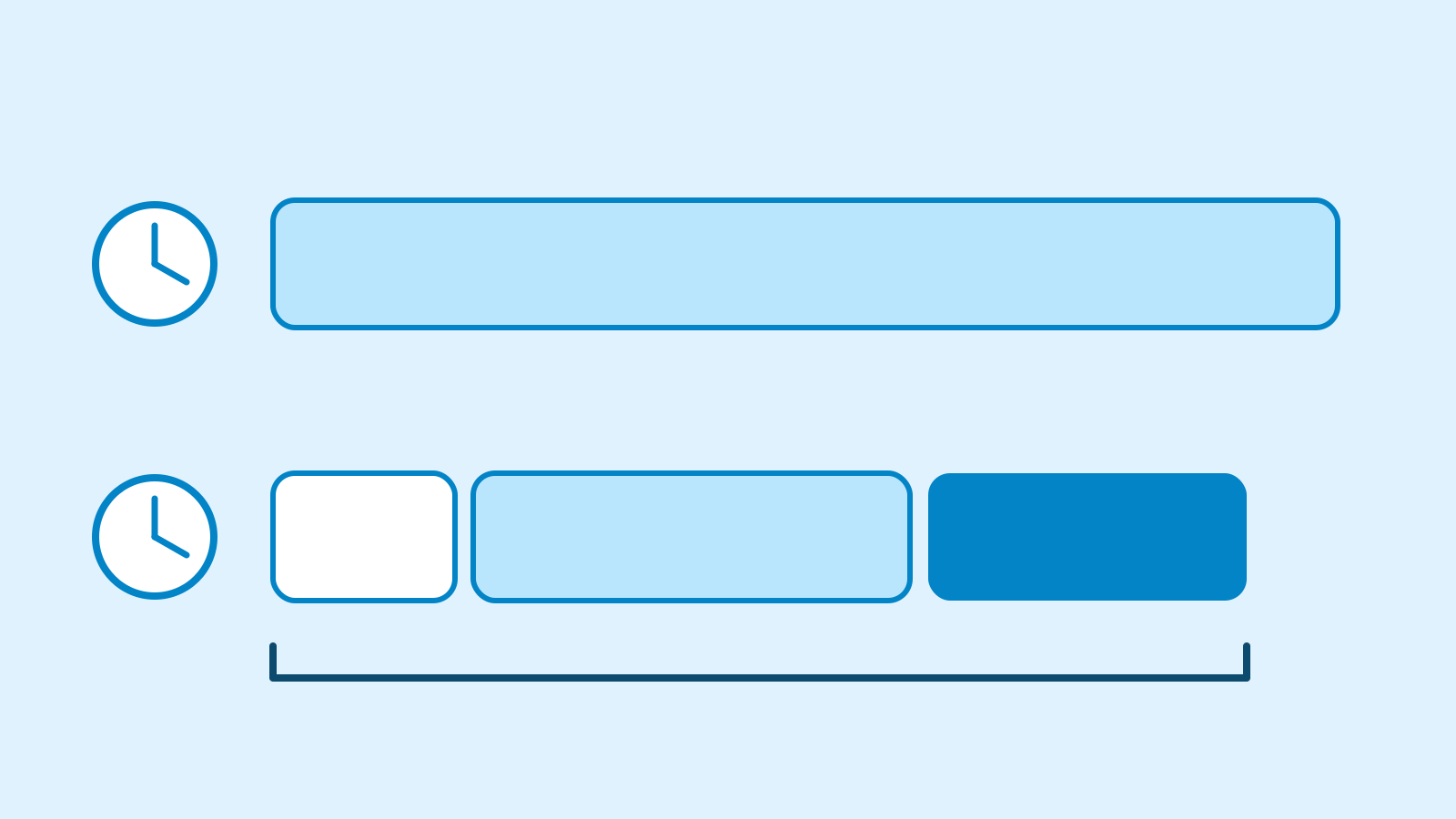
Amplitude says a first investigation can take up to an hour after setup. That gets a team to a set of proposals and their supporting evidence. The next decisions are which change to build, which users should see it, and when the experiment has collected enough data to evaluate the result.
Sources
- 11월 12일 웨이브 유료 제공 발표 · Paid access announcement — Amplitude
- 3분기 공시 · Quarterly filing — Amplitude
- 웨이브 도입 조건과 제품 설명 · Wave product page and access requirements — Amplitude
- 조사 범위와 목표 지표 설정 · Tune Wave discovery — Amplitude
- 조사 근거와 코드 연결 · Connect context to Wave — Amplitude
- 대조군을 둔 제품 실험 · Amplitude Experiment overview — Amplitude
- 추천 카드 실험 기록 · Amplitude’s own Wave experiment — Amplitude
- 웨이브의 추천 카드 비교 실험 · Wave case study and suggestion-card experiment — OpenAI
- 결제수단 등록 안내 실험 · DigitalOcean’s Wave onboarding pilot — DigitalOcean