Meta brings interruptible voice and expressive avatars to Muse in the US
Edited and reviewed by AI Ping Editorial Team
3-line summary
- Real-time conversations are rolling out on mobile, web and Mac.
- Users can choose audio only or two avatar layouts.
- Voice on AI Glasses and Muse Charm remains forthcoming.

Meta began rolling out voice and expressive avatars for Muse in the US on November 5, on mobile, web and Mac. Users can interrupt and choose audio only, an avatar alongside chat or a full-screen view.
At Connect in September, Meta previewed long conversations during which Muse would keep working. The November announcement brings that interaction into the app. The earlier glasses preview envisaged an agent acting on objects in the wearer's view, reducing the need to describe them aloud. App availability and device integration have separate timelines.
The September 23 technical account describes shared speech information driving audio and video, synchronizing lip motion with delivery. Video is generated in short chunks, with recent motion carried forward to preserve appearance and mannerisms across a conversation.
Meta reported 448-by-768 portrait video at 25 frames per second and roughly 870 milliseconds from the end of a user's turn to the first synchronized response bytes. These are its research measurements. It cautioned that the demonstrations do not all represent avatars available in the app. Meta also describes an invisible watermark for tracing generated video.

Work during a conversation and approval to act
Voice is being added to an agent already designed for continuing work. Meta's September design account says Muse follows up on goals according to schedules or relevant events. Users can interrupt or send another task before a reply arrives. Completed background work triggers a notification when it is meaningfully new or needs input.
The design exposes ongoing work beneath the avatar, a full activity log and approved permissions. Longer-running goals have a separate view. Users can inspect and edit memory files.
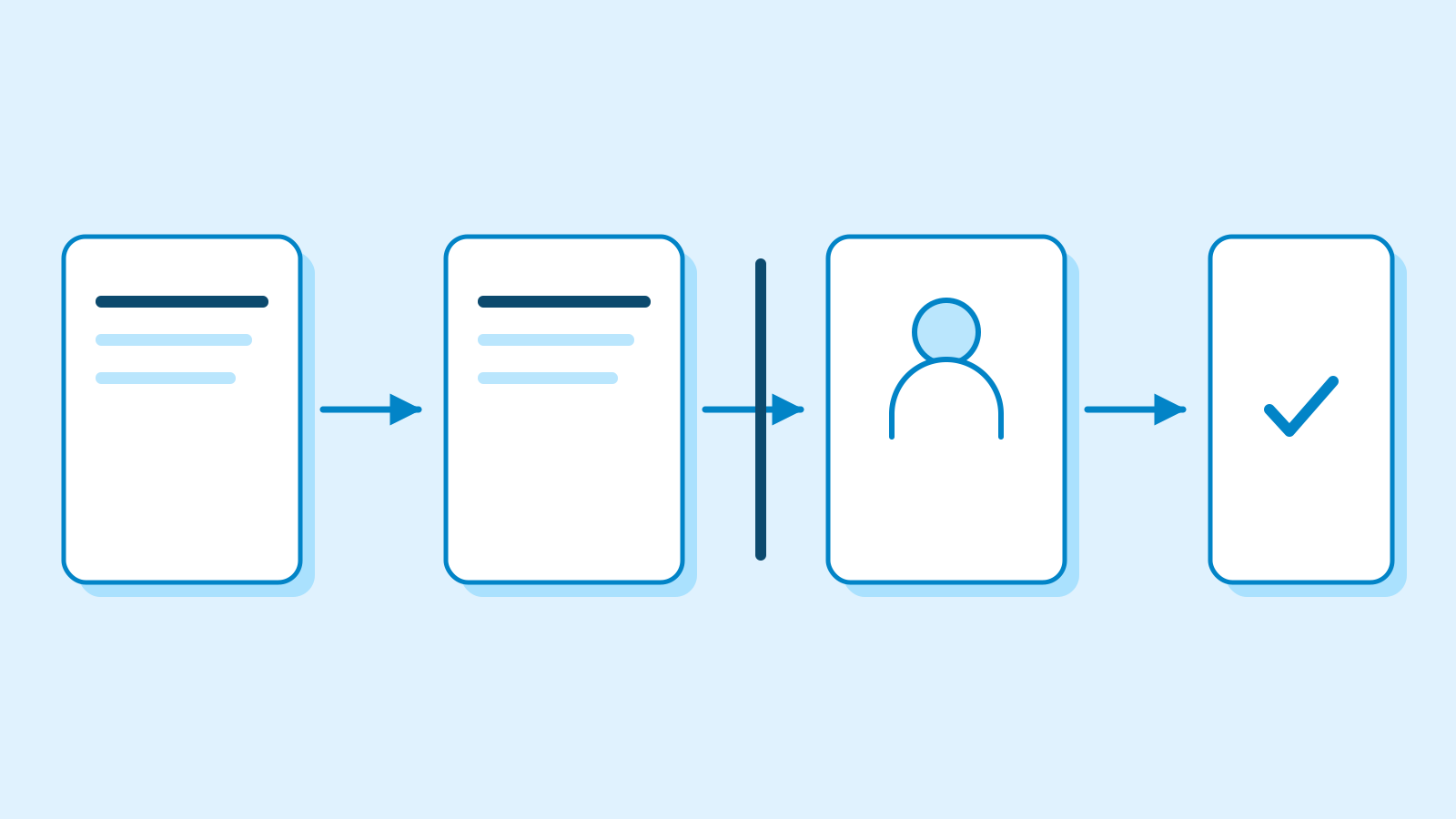
A separate permission system allows, denies or seeks confirmation for external-service actions according to service, purpose and scope. Execution pauses for an approval interface separate from conversation. Its decisions grant strictly scoped capabilities, not conversational suggestions.
Permissions can be limited to one request, a session, a task or a period. Previously allowed reading and low-risk actions can proceed without interruption. Actual credentials are stored outside the agent's execution area and inserted when an authorized external request leaves it.
The current product page describes a dedicated cloud computer and full browser shared with the user, who can intervene. It has storage and computing resources for work. Apps can be connected; when a task needs a missing tool, the agent can build one.
Users decide what the agent can see and do in connected apps such as email, calendars and Instagram. Meta says Muse conversations are not shared with its advertising systems.
The US App Store listing rates Muse for ages 18 and over. It requires iOS 18.0 or later on iPhone, or iPadOS 18.0 or later on iPad, and lists a free download with in-app purchases.

Muse Charm was presented at Connect as a pocketable device for interacting with the agent through real-time voice, with more information promised later that year. Voice on AI Glasses and Muse Charm remains forthcoming, with no date specified in the November 5 announcement.
Sources
- Give Your Muse a Voice — November 5, 2026 — Meta
- Bringing Your Muse to Life — September 23 technical background — Meta AI Research
- How We Designed Muse — September 8 product design — Muse / Meta
- How We Built Safety Into Muse — approval boundaries at launch — Muse / Meta
- Muse — current product description and activity controls — Muse / Meta
- The Biggest News From Connect 2026 — September device and voice preview — Meta
- Muse from Meta — US listing, age rating and device requirements — Apple App Store / Meta