Hume unveils an audio-question API with access by waitlist
Edited and reviewed by AI Ping Editorial Team
3-line summary
- Recordings and questions return probabilities for predefined answers.
- Hume targets call review and speech evaluation, with API access by waitlist.
- Probabilities estimate the share of human raters choosing an answer.

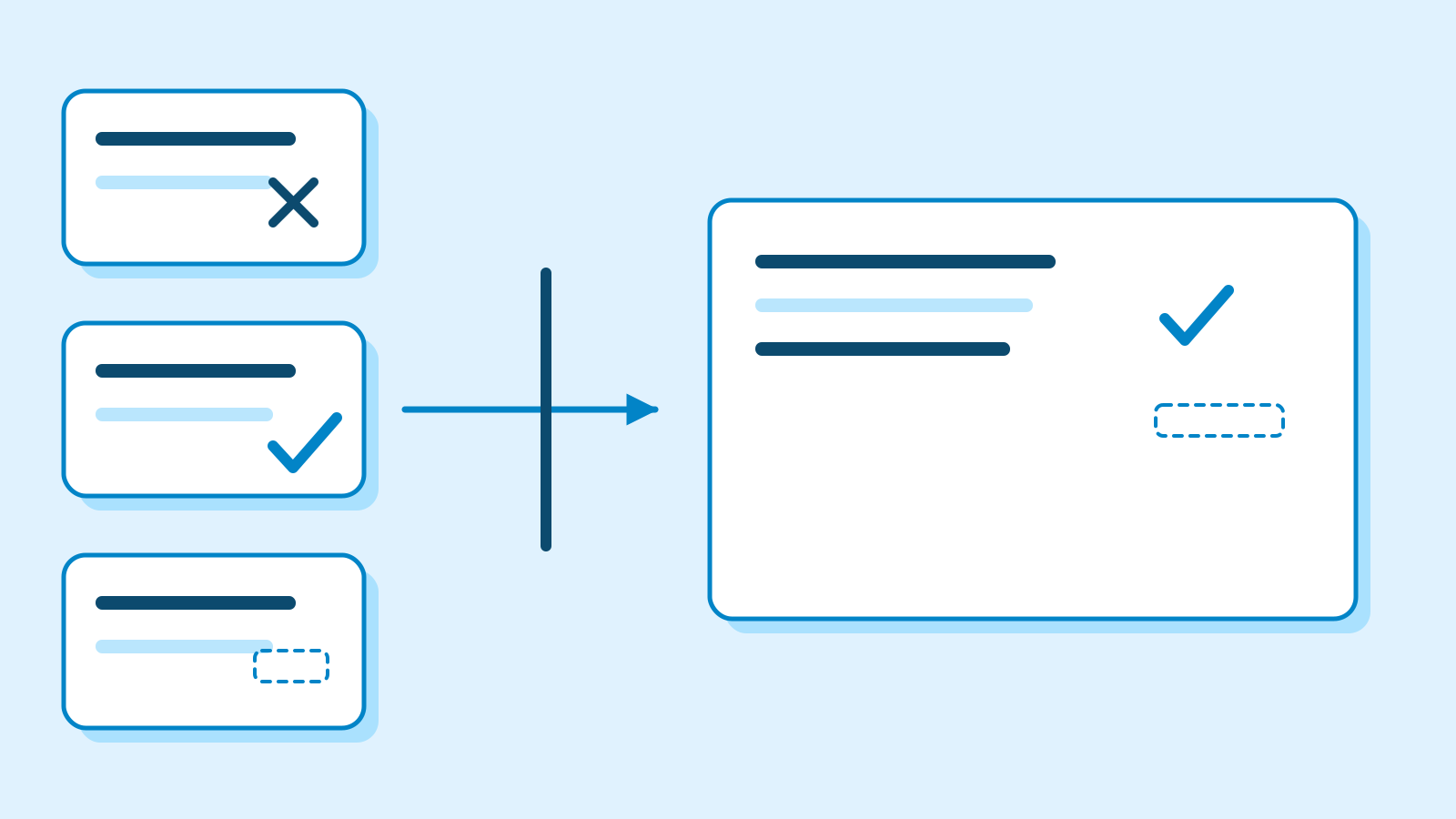
Hume AI introduced its Audio Decision API on November 2, letting developers ask questions about a recording and receive probabilities for predefined answers. The model analyzes the audio itself. Access to the API currently requires joining a waitlist.
Voice-service teams can assess overlapping speakers or how natural generated speech sounds. Hume presents the product as a way to add evaluation criteria to existing recordings without training a separate classifier for each new task. Its stated applications include evaluating generated speech, reviewing support calls and labeling audio collections.
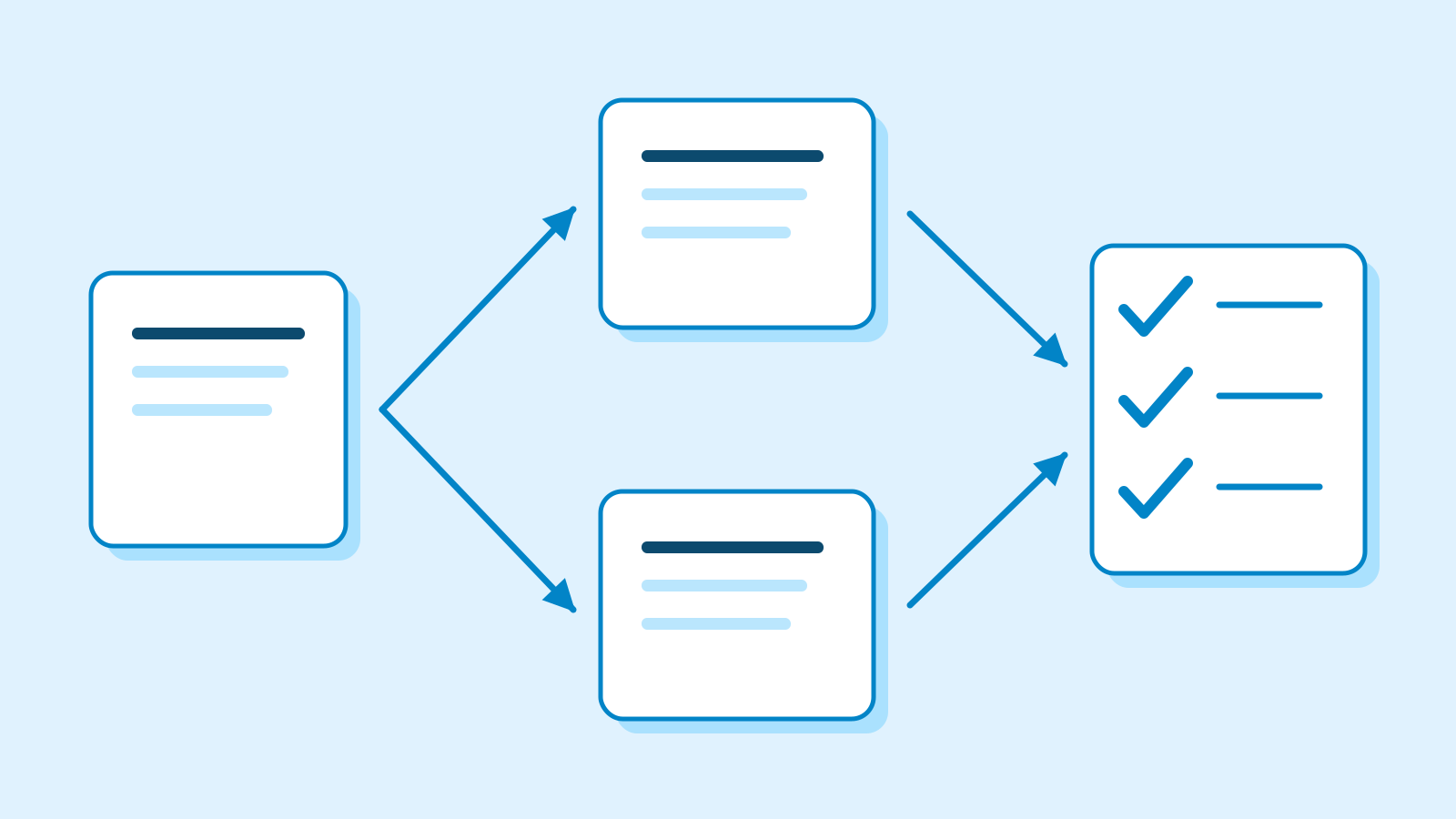
The documentation accepts one MP3 or WAV file lasting five seconds to five minutes, up to 25 million bytes, per request. Multiple recordings require separate requests; the supplied SDKs split longer recordings into parts. Each part is evaluated independently, without memory of earlier requests; application code combines the results. The live-audio guide likewise describes sending short clips as ordinary file requests. A request supports up to 20 regular questions plus up to five questions locating events in time.
Questions can ask for a yes-or-no judgment, a choice among alternatives, a rating on an ordered scale or the time intervals containing an event. Optional context can identify the participants and setting, and can include an existing transcript. Categorizing a speaker’s delivery produces a different answer structure from rating its naturalness. Event-location questions can target ringing phones or sighs. Hume labels that location feature experimental, with temporal precision still being improved.
For yes-or-no, choice and rating questions, a probability estimates the proportion of human listeners who would select that answer. A value near 0.5 represents divided judgments. The confidence field on choice and rating answers describes agreement among listeners; it is not a measure of the model’s own certainty.

Initial testing against listener judgments
Hume reports 70.7% agreement between its model and a panel’s average judgment in an initial evaluation, versus 56.5% for an individual rater against that average. Those are company-reported measures of alignment with listeners, not universal accuracy rates or measurements establishing someone’s actual emotional state.
The question-writing guide also sets acoustic limits. The model hears a single channel at a 16kHz sample rate, excluding directional left-versus-right questions and sounds above 8kHz. It warns that even silent audio can yield a high-confidence answer. Noise removal and automatic gain control also alter the sounds being judged. The guide says telephone recordings’ reduced high-frequency content can affect quality judgments compared with studio audio.

Comparison conditions include the wording, the other questions in the request and their order. The API specification says adding, removing or reordering questions can change an answer because they are processed together. The interpretation guide says identical requests return identical answers, so averaging repeated calls adds no information. Evaluations across recordings therefore depend on keeping the question set consistent.
Application code sets the threshold for acting on answers. Hume’s interpretation guide explains that lowering a threshold catches more relevant cases while increasing false flags; raising it reverses that tradeoff. It also describes a middle band routed to human review, with thresholds checked against labeled recordings of the same kind.
Hume says the underlying model can change without an API-version change, and answers to the same audio and questions may change afterward.
Responses include a run identifier and billable input-token count. A separate run lookup provides status, timing and the original request. Answers themselves return only in the initial analysis response, so users need to retain them separately for later comparison.
Sources
- Introducing Hume’s Audio Decision API — November 2, 2026 — Hume AI
- Audio Decision Model product page — listener-agreement evaluation — Hume AI
- Audio Decisions API overview — Hume AI
- Question types and probability semantics — Hume AI
- Create decision — request limits and response format — Hume AI
- Writing questions — acoustic limits and evaluation scope — Hume AI
- Interpreting answers — thresholds and comparisons — Hume AI
- Runs — retained execution metadata — Hume AI
- Preparing your audio — independent clips and live-audio scope — Hume AI
- Evaluating many files — file size and combining split recordings — Hume AI