Phonic-1 starts tool calls while the caller is still speaking
Edited and reviewed by AI Ping Editorial Team
3-line summary
- Phonic released its speech-to-speech model on October 29.
- Tool execution and language switching follow configurable operating rules.
- Starter costs $0.07 per minute; recordings are retained indefinitely by default.

Phonic released Phonic-1 on October 29. The company says its speech-to-speech model calls tools while a caller is still speaking, starting lookups during a request to reduce the subsequent wait for an answer.
The system processes incoming speech and produces spoken replies. Phonic says it preserves cues such as tone and hesitation, while frontier models act as supervisors for tool calling and reasoning. Developers can connect it through an API or use a no-code agent builder. The documented applications include customer-service conversations about orders, booking changes and refunds.
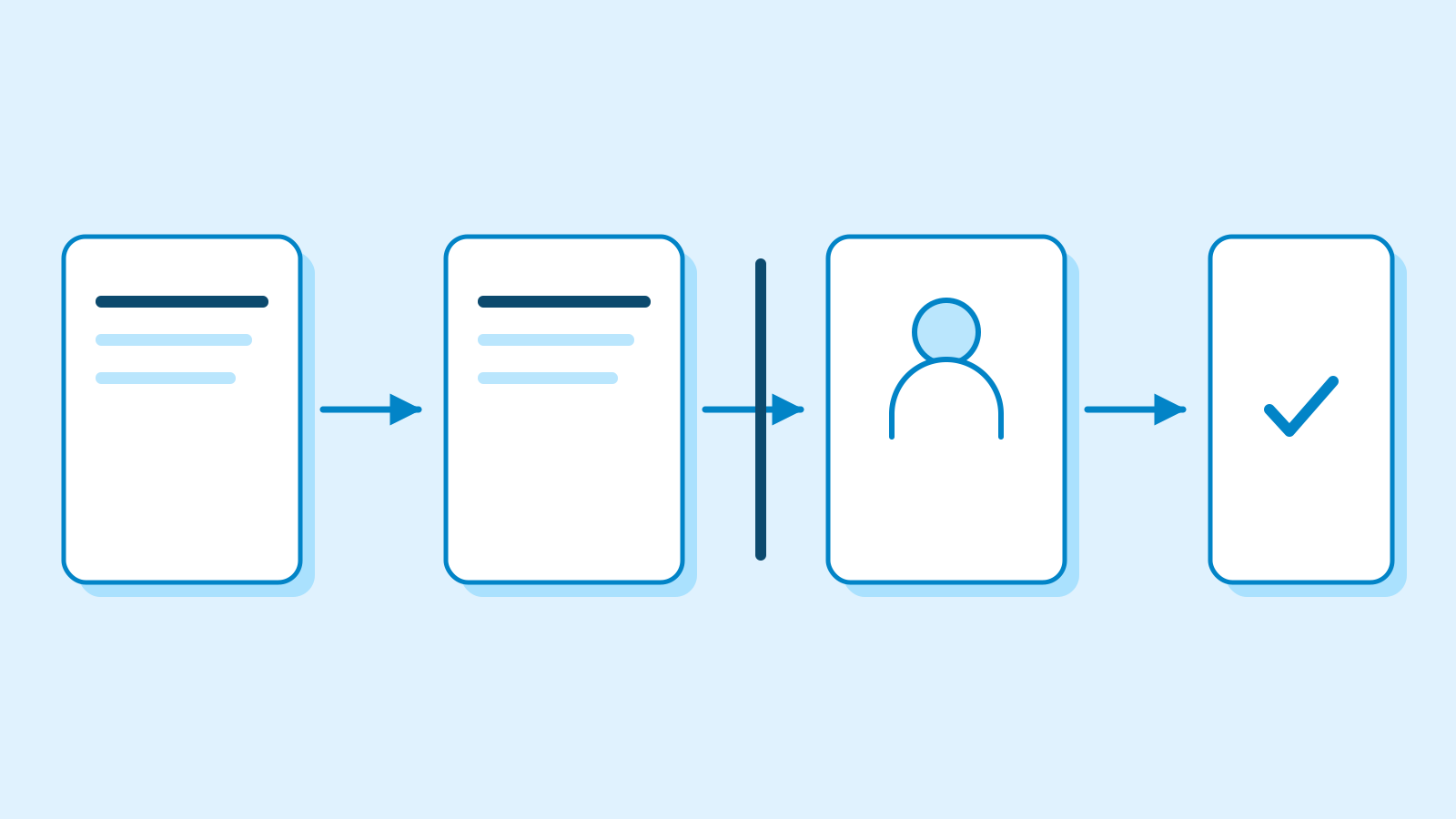
How those tools execute determines what happens next in a call. In the documented default synchronous mode, the assistant waits for a tool to return and then uses its answer. Asynchronous execution lets the conversation continue alongside the lookup, with the result available for a later turn. A reply made before completion cannot use that result. For long-running tasks, a documented configuration keeps the conversation going, holds other tool calls and delivers the result proactively when it arrives.
The supported-language list contains 51 languages, including Korean. Switching behavior is configurable: the default changes language when the caller explicitly requests it. An automatic mode follows the language of each caller turn and permits up to two additional languages alongside the default. Another mode chooses a language from the first turn and retains it until a requested change. English is the default initial language, and operators configure the additional languages. The language-list documentation cautions that unnecessary additions make recognition harder.

Artificial Analysis currently lists Phonic 1 (High) at 87.1 on its Speech to Speech Index, with 0.61 seconds to first audio. The composite combines speech reasoning, agentic performance, listener preference and task success. Its agentic tests use simulated customer-support problems in airline, retail and telecom settings, checking the final database state against the expected outcome. Speech reasoning uses 1,000 audio questions. Time to first audio measures the delay before the first generated audio output. These measurements describe specified tests, rather than the duration of every real support call.
Cekura’s table, marked updated October 22, lists Phonic 1 as passing 74 of 82 scenarios on all three runs, a 90.2% reliability rate. Its median response wait was 1.63 seconds. The tests cover booking and US Medicare calls; Phonic 1 was tested at its high intelligence setting. Its call-based response measure differs from Artificial Analysis’s time to first audio.
In a blind voice comparison by Podonos reproduced in the launch post, listeners preferred human actors 57% of the time and Phonic-1 32%. Phonic identified naturalness as a research priority. This measures listening preference.
Recording retention is another operating choice. The current documentation specifies indefinite storage of transcripts and audio by default. Policies are set per agent, with separate deletion windows for recordings and text. A conversation-specific policy can override the agent’s retention settings. Retention windows are measured from the end of a conversation.
Under zero data retention, content deletion is scheduled for the end of the call. Metadata such as identifiers, timestamps, duration and billing aggregates remains. Conversation replay and transcript viewing become unavailable, and asynchronous evaluations cannot continue relying on stored content.

Per-minute pricing and deployment
Starter costs $0.07 per minute with no minimum charge. Pro costs $0.065 per minute with a $200 monthly minimum. Their concurrent-call limits are ten and 50 respectively. Phonic says its per-minute bill includes the model service, with no separate language-model pass-through or per-token charges.
Enterprise pricing is quoted separately, with volume discounts available. The listed options include on-premises or private-cloud deployment, customized terms and audit logs. Implementation engineers are included in the enterprise offering.
Sources
- Introducing Phonic-1 and our $27.5M Series A — October 29, 2026 — Phonic
- Speech-to-speech model product overview — checked October 30, 2026 — Phonic
- Introduction — model availability and interfaces — Phonic documentation
- How Tools Execute — synchronous and asynchronous timing — Phonic documentation
- Supported Languages — current 51-language list — Phonic documentation
- Multilingual Agents — switching modes and limits — Phonic documentation
- Speech to Speech AI Model & Provider Leaderboard — checked October 30, 2026 — Artificial Analysis
- Speech-to-speech benchmark — table marked October 22, checked October 30 — Cekura
- Data Retention — defaults, deletion windows and ZDR — Phonic documentation
- Pricing — Starter, Pro and enterprise conditions — Phonic