AlphaEvolve shifts new experiments to Argon and its token rates
3-line summary
- The default changes from October 26 for new experiments without a chosen model.
- Published pricing includes separate model and agent charges.
- Both defaults can appear during the transition day; existing experiments keep their model.

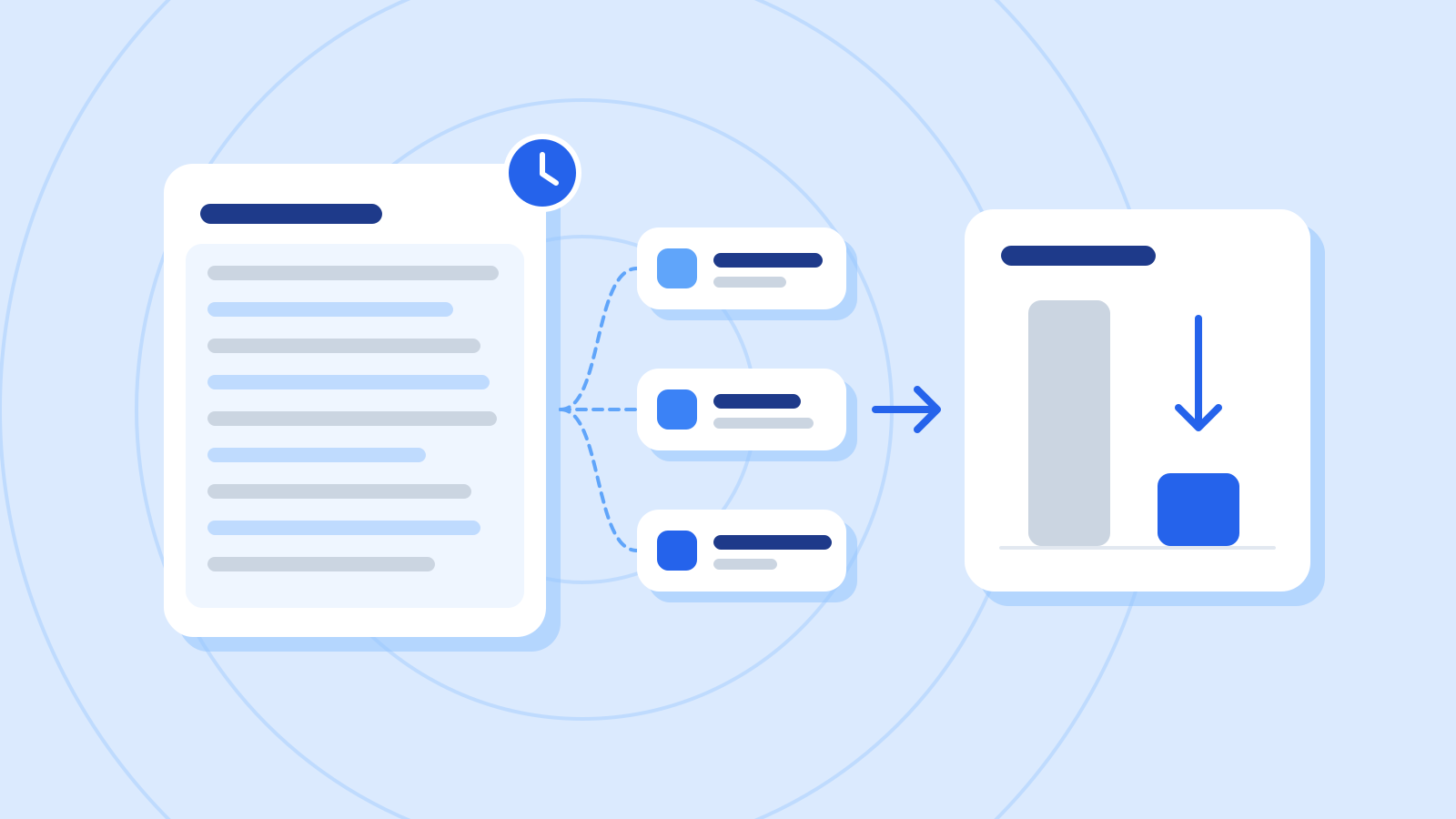
Google is changing AlphaEvolve’s default to Gemini 4 Argon for new experiments from October 26. Its October 22 notice says that leaving model selection unspecified changes both the AI generating candidate programs and the applicable token rates.
AlphaEvolve starts with functioning algorithm code and searches for solutions meeting performance objectives set by the user. Google identifies mathematical search and combinatorial optimization as core applications. The code defines the problem, while metrics such as execution time provide a basis for selecting candidates. The service explores successive generations of programs. Google positions it for finding new designs and execution structures within a large space of alternatives, beyond routine linting or code-style cleanup.
The published AlphaEvolve pricing table lists two components: the Gemini model and the AlphaEvolve agent. For Argon, each million input tokens costs $4 for the model plus $8 for the agent; a million output and thinking tokens costs $20 plus $40. The corresponding Flash entries are $1.50 plus $3 for input and $7.50 plus $15 for output and thinking.
These are the published base rates, before any applicable promotions or credits.
Google’s experimentation guidance says difficult problems can require evaluating thousands of candidates. It recommends pausing to refine the problem description or constraint penalties if no clear improvement appears after roughly 1,500 evaluations. It also notes that hard problems can plateau before a breakthrough, so a plateau alone does not establish convergence. It calls for problem definitions that include background, domain rules and hard operational constraints.

Generating code and judging results are separate
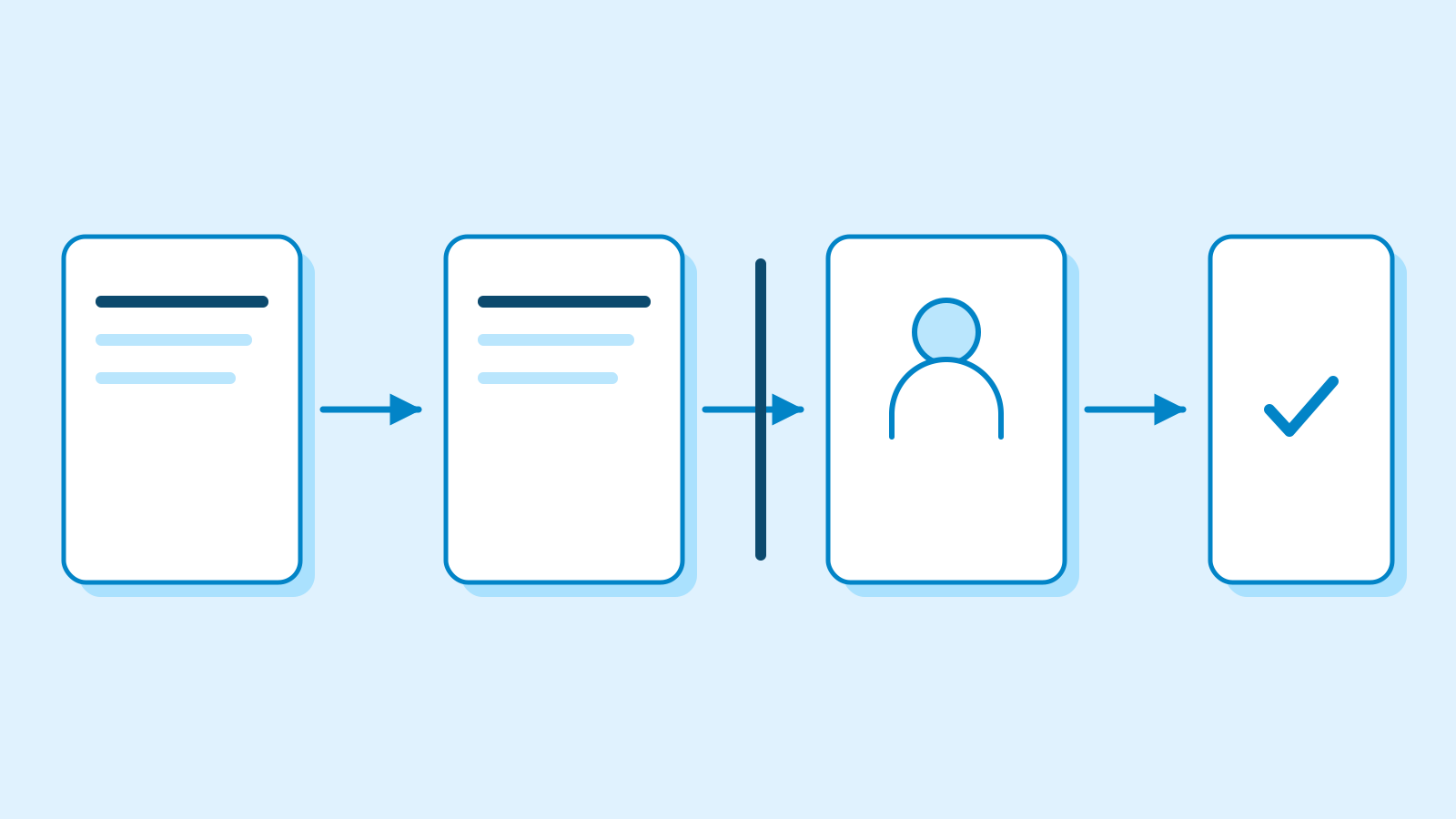
The cloud service assembles prompts, stores and tracks candidate programs and solutions, and coordinates the search. Customers design the evaluator around their own use case and domain knowledge. That division gives the generation model and the evaluation program different jobs: the former proposes code, while the latter supplies the basis for judging results.
Google’s evaluation guidance separates execution safety, correctness and constraints, and performance. The first stage checks matters such as syntax, compilation, infrastructure compatibility and execution policy. Unit and functional tests then assess whether an algorithm behaves correctly and satisfies requirements. The documentation describes assigning large negative scores to candidates that fail validation.
Performance can be measured directly or assessed through analytical estimates, simulations and held-out data. The guidance places deterministic score calculation in the evaluator. It also allows partial credit for passing some tests. After the search, Google describes selecting the best candidate or a lower-ranked alternative that fits tradeoffs between objectives, then integrating the chosen code into the customer’s system.

Experiment configuration also controls scale and duration. The API currently defaults to 100 candidate programs and a 24-hour maximum duration. Both Argon and Flash are supported in global, us and eu. The specification also permits a mixture of at most two models, with weights setting their relative shares of generation calls.
Google also documents data-location commitments. For AlphaEvolve’s base functionality with either model, its US and EU multi-regions support at-rest data residency and machine-learning processing. Requests to regionally available APIs are processed within the corresponding US or EU multi-region, subject to the documented feature limitations. The table distinguishes stored-data location from the location of processing. Its in-country-region column marks both commitments as unsupported for the same AlphaEvolve functionality.
The API reference says the transition takes place throughout October 26, so experiments created that day can receive either default. The assigned model is recorded in the experiment configuration or creation response. Experiments created before that date keep their stored model. Explicit selection remains available, including Flash for a new experiment whose creator specifies it.
Sources
- Gemini Enterprise release notes — October 22 default-model notice — Google Cloud
- AlphaEvolve API reference — default models, regions and experiment settings — Google Cloud
- Agent Platform pricing — AlphaEvolve model and agent rates — Google Cloud
- Overview of AlphaEvolve — algorithm optimization and inputs — Google Cloud
- Logical flow and architecture of the Cloud AlphaEvolve agent — Google Cloud
- Evaluator implementation patterns — validation and scoring — Google Cloud
- Experimentation best practices — candidate budgets and convergence — Google Cloud
- Data residency — AlphaEvolve base functionality — Google Cloud