OpenClaw fixes chats stuck after Stop, keeping their history
3-line summary
- Terminal recovery residue can be cleared so the next reply can start.
- A failed delegated input can retire without reviving its missing authority.
- An archived default session gains a narrow reset route that preserves its transcript.

OpenClaw has fixed stopped conversations that could not start a reply. Its 2026.10.7 stable release, published October 24, clears eligible recovery residue without erasing history.
OpenClaw is an open-source AI assistant that runs on a user’s computer and connects to messaging services including Telegram and Slack. A Gateway manages conversations; models and agent runtimes connect through plugins. Stored state stays on the user’s hardware, while prompts reach the configured model provider and chat platforms. The same Gateway can serve a personal assistant or a shared team deployment through configuration. Claude, Codex and local models are interchangeable plugin choices.
Leftover recovery records blocked new requests even after work ended; refreshing the browser did not help. The repair preserves the session identity, transcript and selected model.
Cleanup requires all runs to be terminal, with no execution or delivery owner remaining. Live work and pending responses retain their protections.
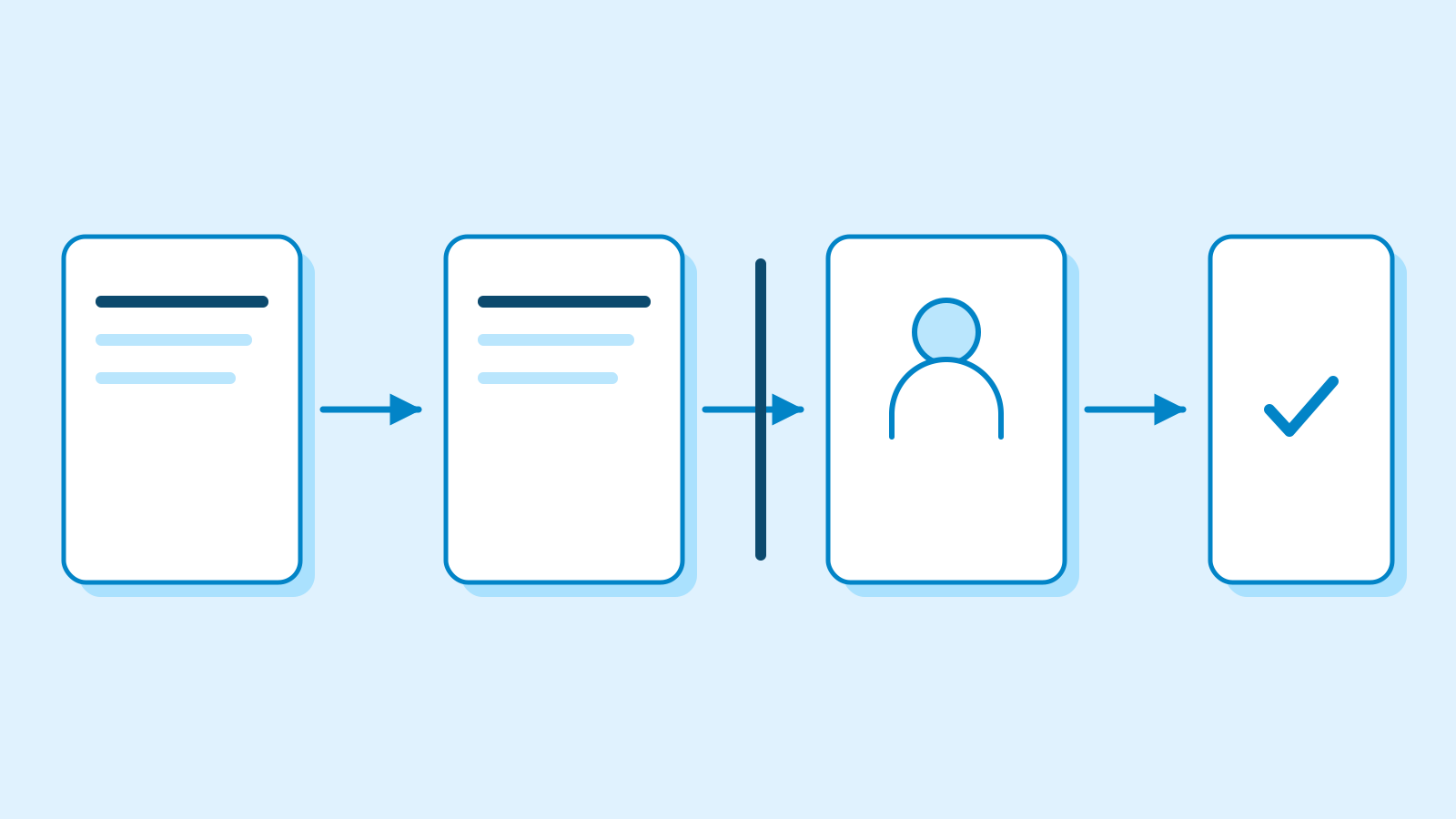
Delegated turns could also block a conversation when sender authority was lost across a restart. With no other execution or delivery owed, OpenClaw now records an interruption notice and retires the affected input. A fresh authenticated message can then proceed in the same conversation.
Missing authority still prevents the old task from running. Other unfinished work and pending replies remain protected. Scheduled work retains its scheduling ownership after restart; an instruction added during the turn cannot convert it into a replayable human request.

Stored history and fresh working context
The release repairs explicit reset for a default Main session archived by restart recovery. An authorized operator can use the existing API to preserve its identity and transcript while starting fresh model context. Reset does not replay the interrupted task.
The exception requires the configured canonical Main identity and a restart-recovery archive reason. Other archived sessions still refuse reset. Authority checks, model locks and identity checks remain in effect, keeping the remedy specific to the affected default conversation.

The recovery documentation distinguishes persistent records from running processes. Conversations, schedules, subagent records and queued outbound messages live on disk. Gateway terminal sessions, however, belong to the old process and end with it. Continuing a conversation therefore does not restore its previous terminal command or its live execution state.
Plugin compatibility remains a separate condition. For Codex native task attachment and recovery participation after a restart, the documentation calls for updating the Codex plugin alongside the Gateway. An installation pinned to an older plugin does not receive those behaviors merely by upgrading the main OpenClaw package.
Sources
- OpenClaw 2026.10.7 stable release — OpenClaw
- Resume stopped conversations with terminal recovery residue — OpenClaw
- Keep conversations usable after delegated recovery fails — OpenClaw
- Reset Main archived by restart recovery — OpenClaw
- Restart recovery — release-pinned documentation — OpenClaw
- OpenClaw overview — 2026.10.7 — OpenClaw