Why did AI training slow down? NVIDIA’s Minerva connects the clues
3-line summary
- NVIDIA announced Minerva, an AI infrastructure operations platform, on October 22.
- It connects GPU, network, storage and workload signals to narrow down likely causes of problems.
- Conversational diagnosis and agent integrations are available; teams still need to evaluate results in their own environments.
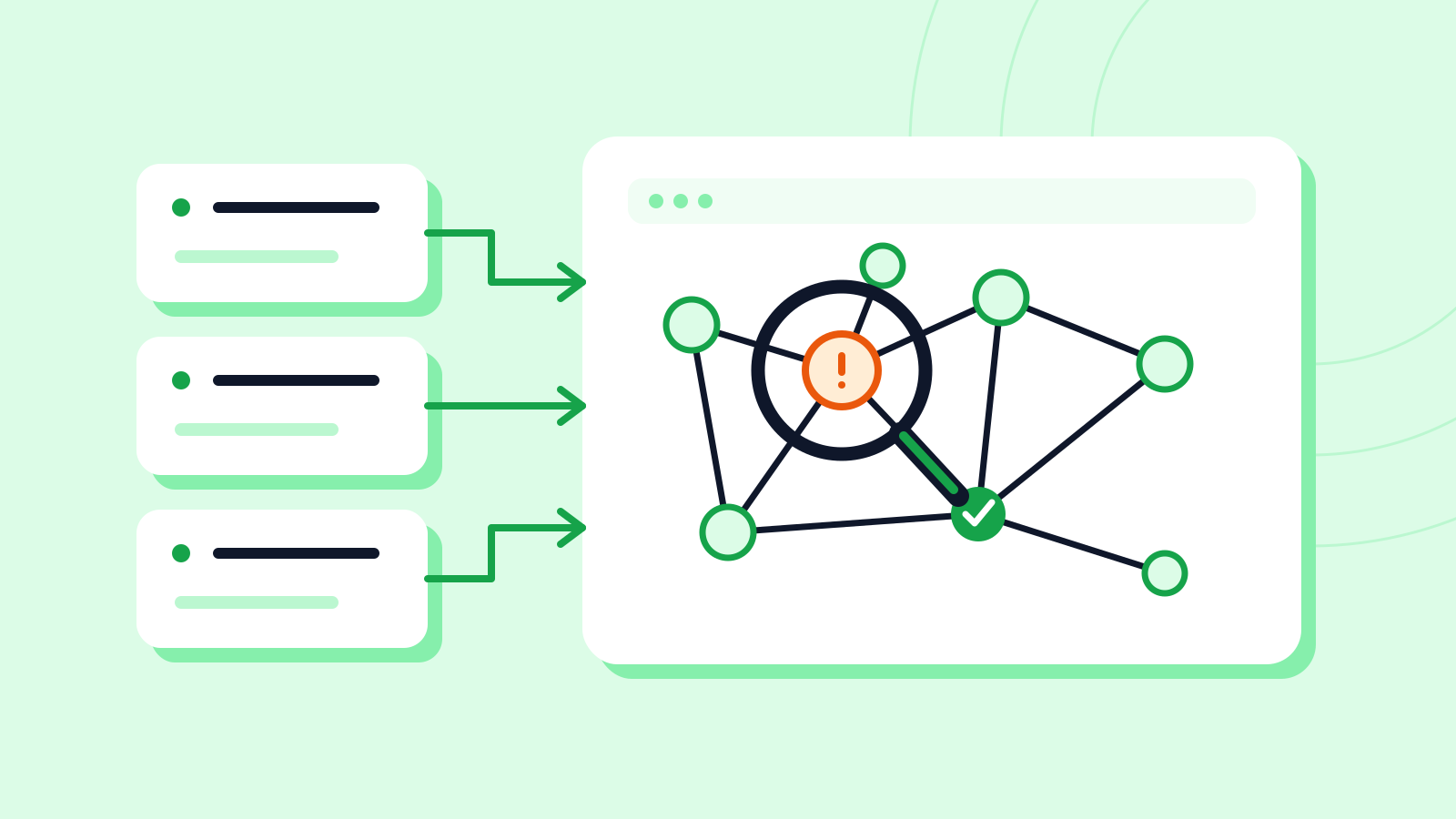
NVIDIA announced Minerva at GTC Berlin on October 22. The AIOps platform applies AI to operational data. NVIDIA says one degraded component can slow an entire training job, making infrastructure and workload signals useful to examine together.
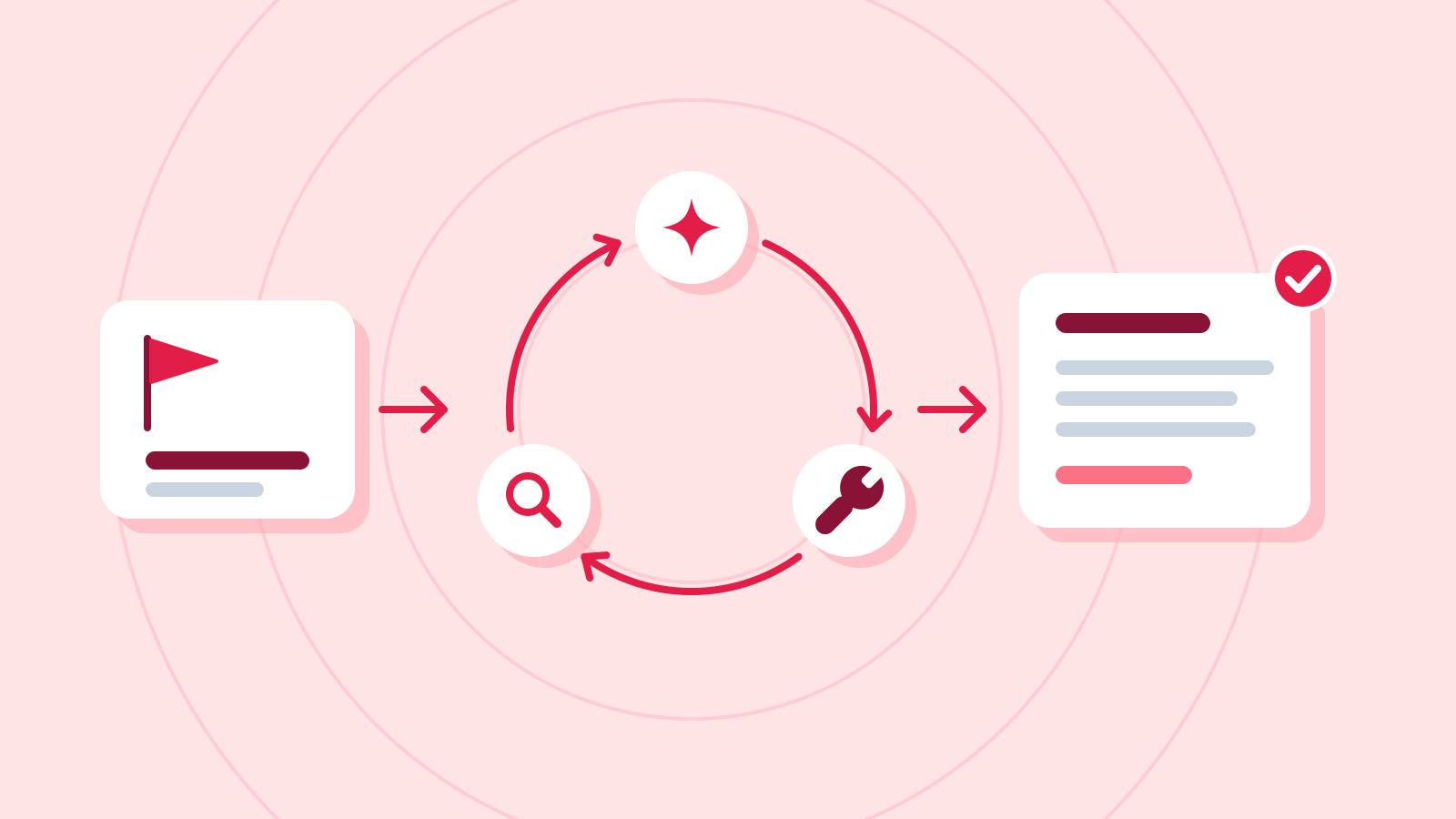
Minerva maps connected equipment and running jobs in a knowledge graph. According to NVIDIA, it correlates anomalies and groups related alerts into an incident with a likely cause, rather than leaving operators to investigate each symptom separately.
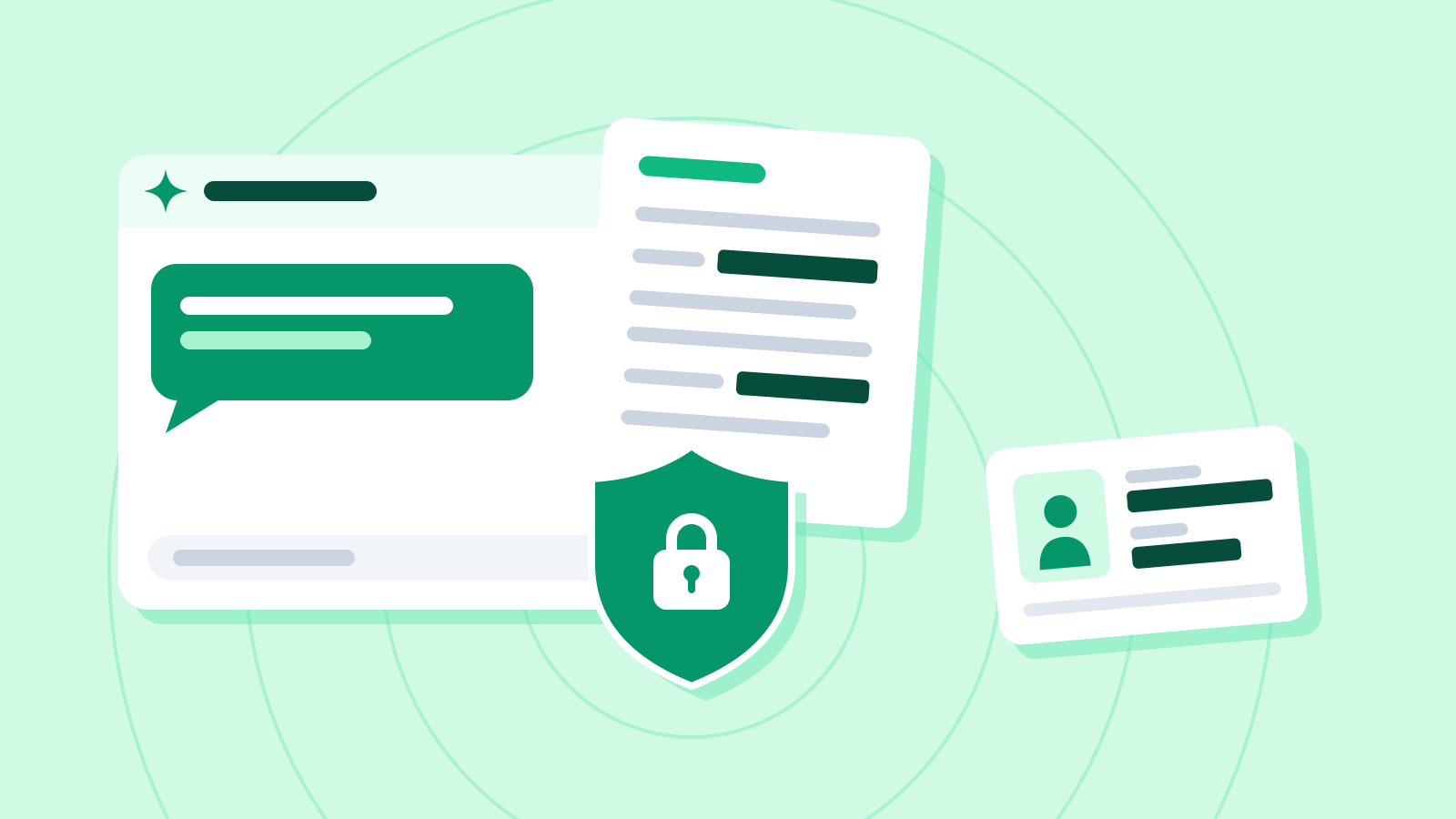
The product page describes Sherlock, an assistant grounded in live telemetry, and MCP integration with external agents. NVIDIA offers configurations from DIY observability to a turnkey platform, with on-premises or SaaS deployment.
NVIDIA says IREN is using Minerva, while IBM and Tesla are among planned adopters. Lenovo also highlighted its potential for infrastructure availability and performance management in an October 22 post. These descriptions and deployment plans do not establish measured improvements for every environment.
Why it matters
A slow training run may need more than a GPU dashboard to explain it. Connecting equipment with affected jobs offers an approach worth evaluating alongside existing monitoring.
Who it's for
- Developers
- Infrastructure teams can compare diagnosis against existing incident records and check the required telemetry integrations and deployment model.