Samsung's Smart Factory 4.0 brings AI to Korean SMEs, showcased at SmartBiz Expo
3-line summary
- SmartBiz Expo 2026, hosted by Korea's Ministry of SMEs and Startups with Samsung Electronics among the organizers, ran October 13–16 at COEX in Seoul.
- Samsung's Smart Factory 4.0, launched this year, helps small and mid-sized manufacturers adopt tailored AI step by step, starting with bottleneck processes.
- A new AI pavilion showcased real deployments, including a company that says AI vision and robots roughly tripled its output.
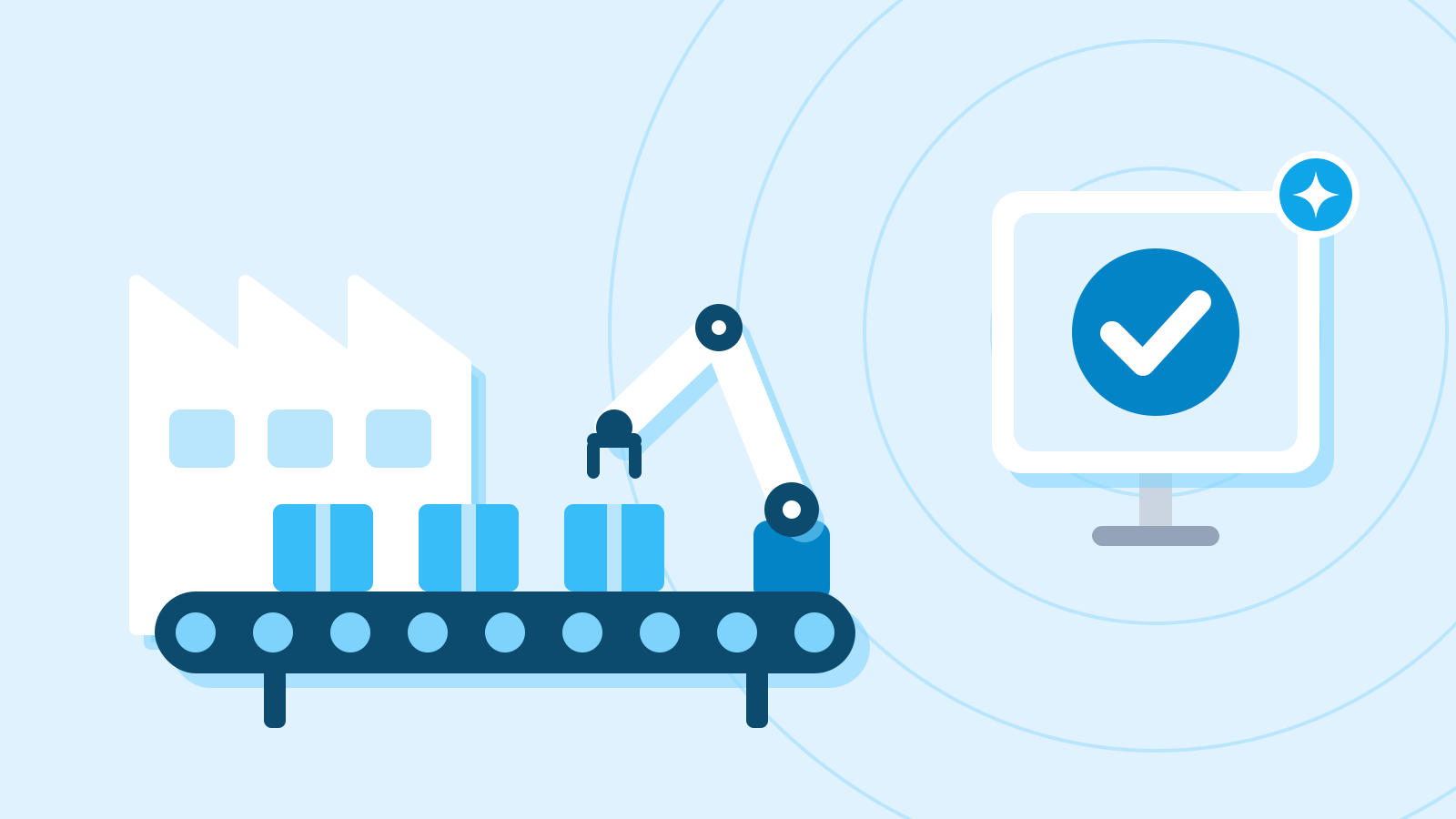
SmartBiz Expo 2026, an event on manufacturing innovation for small and mid-sized companies, ran October 13–16 at COEX in Samseong-dong, Seoul. It was hosted by the Ministry of SMEs and Startups and organized by Samsung Electronics and the Korea Federation of SMEs, with 53 companies showing products and case studies.
At its center was Smart Factory 4.0, a program Samsung Electronics launched this year. Going beyond earlier manufacturing support, it helps smaller companies adopt AI tailored to them, applying it step by step starting with the processes where improvement pays off most, such as production bottlenecks — aimed at firms that struggle with upfront investment and hiring experts. Samsung created a new manufacturing-AI support track for it.
A new AI pavilion showed real deployments. Precision-parts maker Turbolink says it roughly tripled output by linking AI vision and robots into an autonomous system spanning machining, inspection, rework and transport. Printing company Printpia demonstrated sorting and stacking books with robot arms and autonomous mobile robots, and safe maker Sunil Safe described plans to use AI to catch quality problems in a washing process that is hard to check by eye.
The report comes from Samsung's newsroom covering the event, and company results are as described by each company. The program's funding scale and how to apply were not covered.
Why it matters
Large companies with capital and talent tend to adopt AI first. If programs that use a big manufacturer's experience to bring AI into smaller firms step by step take hold, they could help narrow the AI gap on factory floors.
Who it's for
- Office workers
- If you work at a smaller manufacturer, note the approach of starting AI with your single worst bottleneck rather than every process at once.
- Beginners
- "Physical AI" means AI linked to robots so it can move and handle real objects on its own — these cases give a good feel for how AI is used in factories.
Sources
- 디지털 전환을 넘어 AI 전환으로, ‘스마트비즈엑스포’에서 만난 제조혁신의 미래 — 삼성전자 뉴스룸