Draft A/B ad copy with AI
Give it the product, audience and channel, and you'll have copy from several different angles in minutes.
About 16 min readingAs of Oct 2026
Lesson guide · goals & preparation
By the end of this guide
- Write a brief separating product facts from outcome claims.
- Create two variants and identify the evidence for each line.
- Define the variable, fixed conditions and metrics before a test.
Who this is for
- Marketers who write every round of copy from scratch
- Anyone who needs many variations to A/B test, quickly
What you need
- Any chat assistant
- Your product brief and past campaign results, if you have them
This lesson’s terms, in plain language
Read the short meanings here. Open a term for a fuller explanation and example.
- hypothesis
- An unverified idea that can be investigated through observation or a test.
This reading lesson explains how to use external AI tools. Read from theory to the workflow, examples and explanations, or use the contents to jump to a section.
1 / 4
Theory
Understand what to ask AI to do, how to ask, and the ideas behind the workflow.
Lay out the product, audience and channel
A request for the “most effective” copy lacks evidence for effectiveness. For our fictional reading-log app, separate product facts, intended audience, placement and desired action before generating wording.
The invented features are a ten-minute reading timer, note-taking and a seven-day trial. Post-trial price and renewal terms are not supplied. A draft can mention the trial, but publication still requires the missing terms to be checked.
Use the short-session audience as a hypothesis from the previous lesson. Choose one placement and record the image, button and landing page too; wording is interpreted in context.
Example prompt Fictional product: a reading-log app with a ten-minute timer and notes. Hypothesized reader: someone who wants to start with a short session. Placement: a feed-ad draft. Goal: visit the product information page. Known offer: seven-day trial; later price and renewal terms unconfirmed. Do not invent reading outcomes or user statistics.
2 / 4
Step-by-step use
Learn what to prepare, how to request help and how to revise the result through examples and explanations.
Ask for different angles
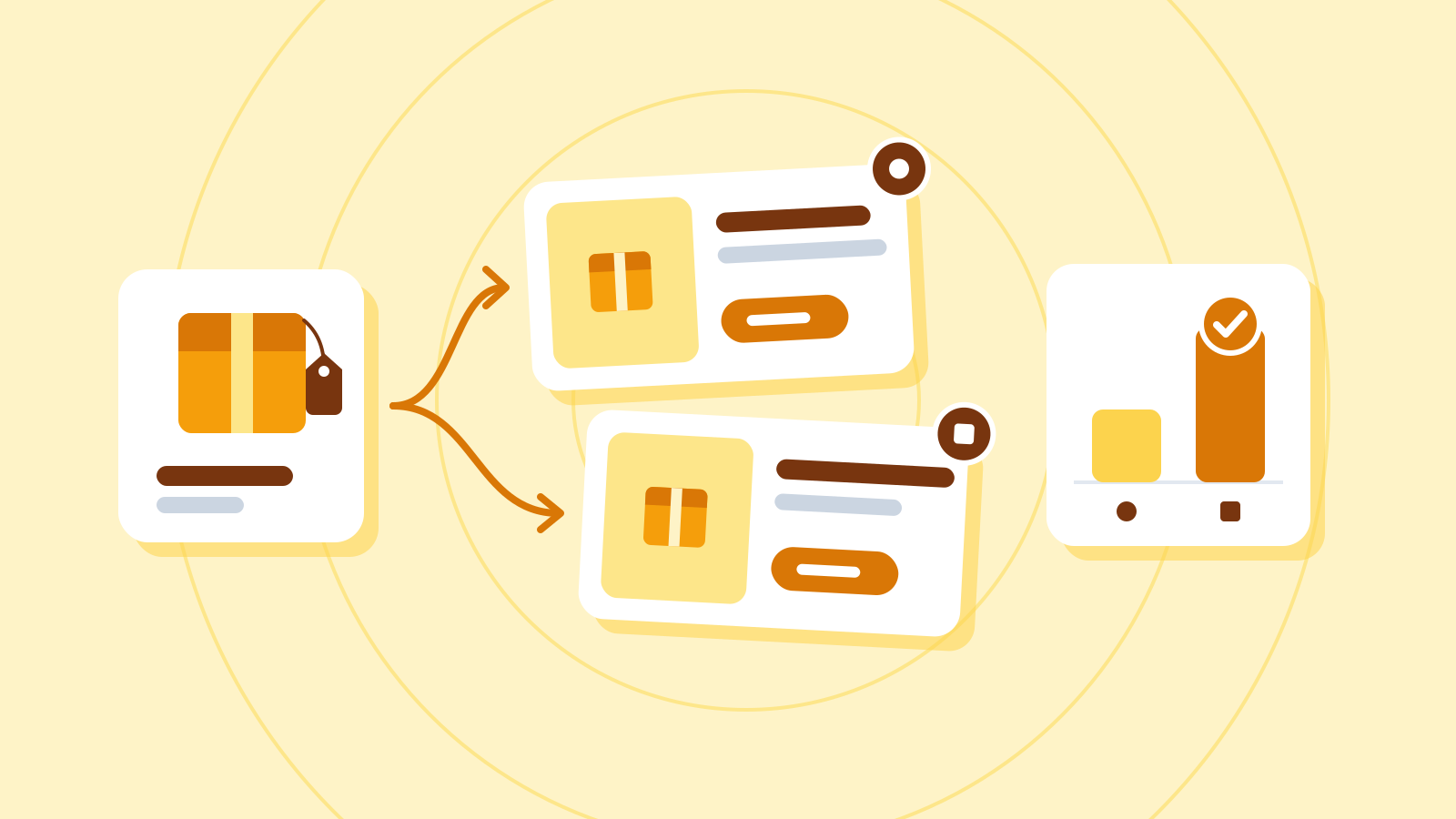
Organize variants around a question rather than generating unrelated promises. Compare starting with a short session against keeping a note of what you read. Both are specified features; user outcomes and testimonials are not supplied.
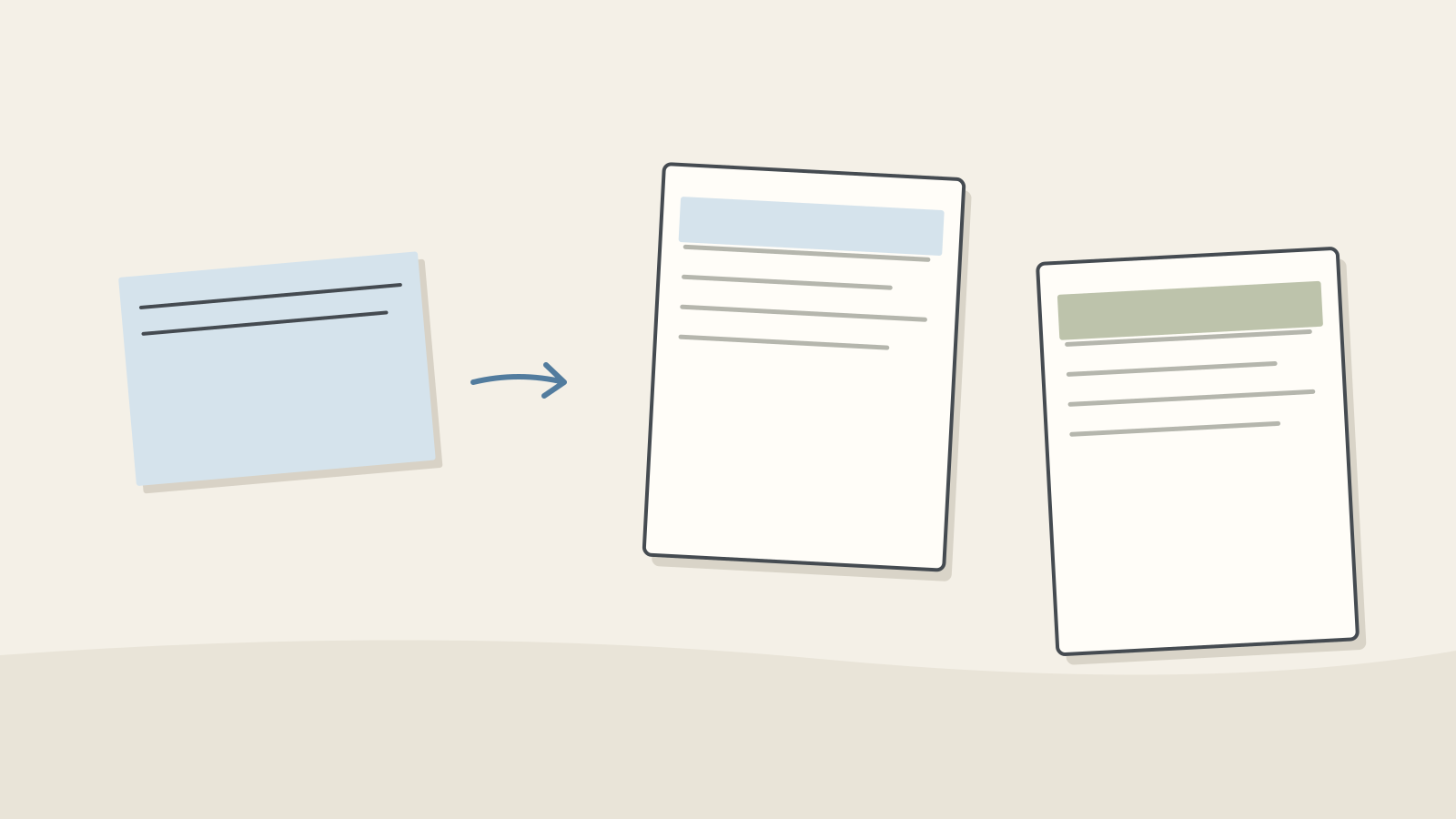
Figure: One product note leads to two ad drafts with different emphases · AI Ping Claims such as reading ten books a month exceed those specifications. An expert-role instruction does not create missing evidence.
The two lines below are editorial candidates, not winners. Label the feature each line uses so reviewers can distinguish style from factual support.
Example prompt Write two variants using only the product specifications: A emphasizes the ten-minute timer; B emphasizes reading notes. Name the supporting feature and do not assert effectiveness.
Worked example & explanation A: “Start reading with a ten-minute timer” — supported by the timer feature.
B: “Keep a note of what you read” — supported by the notes feature.
Fit the channel's limits
For this exercise, use at most 25 characters including spaces. This is an editorial constraint, not an official rule for an ad product. Check the actual placement’s current rules before publishing.
Platforms count and truncate text differently. Google documents character limits and double-width characters for responsive search ads; do not apply those rules indiscriminately to a feed ad.
Shortening can change a claim. “A ten-minute timer” becoming “Ten minutes is enough” introduces an unsupported sufficiency claim. Preserve the feature and remove unnecessary decoration.
Example prompt Keep the timer feature explicit while shortening variant A. Add no claims about reading speed or outcomes.
Worked example & explanation “Read with a ten-minute timer” is an editorial English adaptation. Verify the actual platform’s count and display rather than applying the Korean exercise limit unchanged.
Check it
- Assistants often miscount characters. Check with a character counter, using the channel's own counting rules.
- Read each line aloud and ask again only for the parts that trip you up.
Check facts and claims
Check qualifiers as well as numbers. “Everyone,” “guaranteed” and comparative claims need evidence. Timer and notes specifications do not establish superiority to other apps.
Connect each claim to a specification or verified source. Remove unsupported testimonials rather than polishing them. Keep editor notes out of the final ad text.
Review consistency across title, body, button and landing page. This exercise records unresolved terms in the brief; it does not pretend a real landing page was reviewed.
Revising unsupported editorial claims Claim Problem Revision Read ten books a month No outcome evidence Describe the timer A reading habit for everyone Universal outcome promise Describe starting and notes Chosen by 100,000 readers No usage evidence Remove the number Check it
- Match every sentence with a number or a promised effect against evidence — internal data or real reviews.
- Advertising law generally requires evidence for factual claims before the ad runs — in Korea, under the Fair Labeling and Advertising Act. Health, finance and other regulated areas have extra rules, so involve legal too.
Narrow what changes between variants
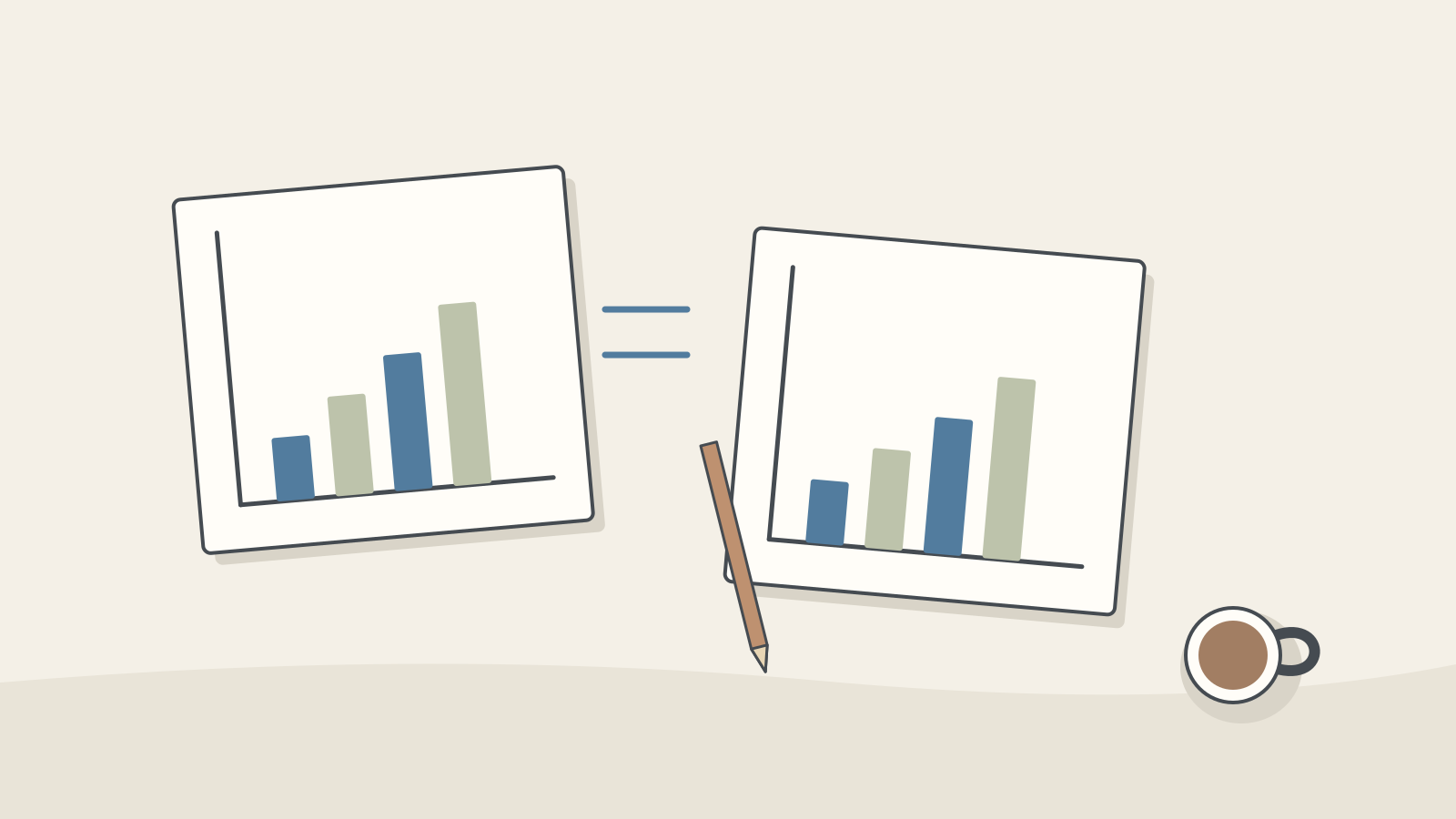
If image, button, audience and timing all differ, a result difference cannot be assigned to the headline alone. Record the intended variable and what should stay fixed.
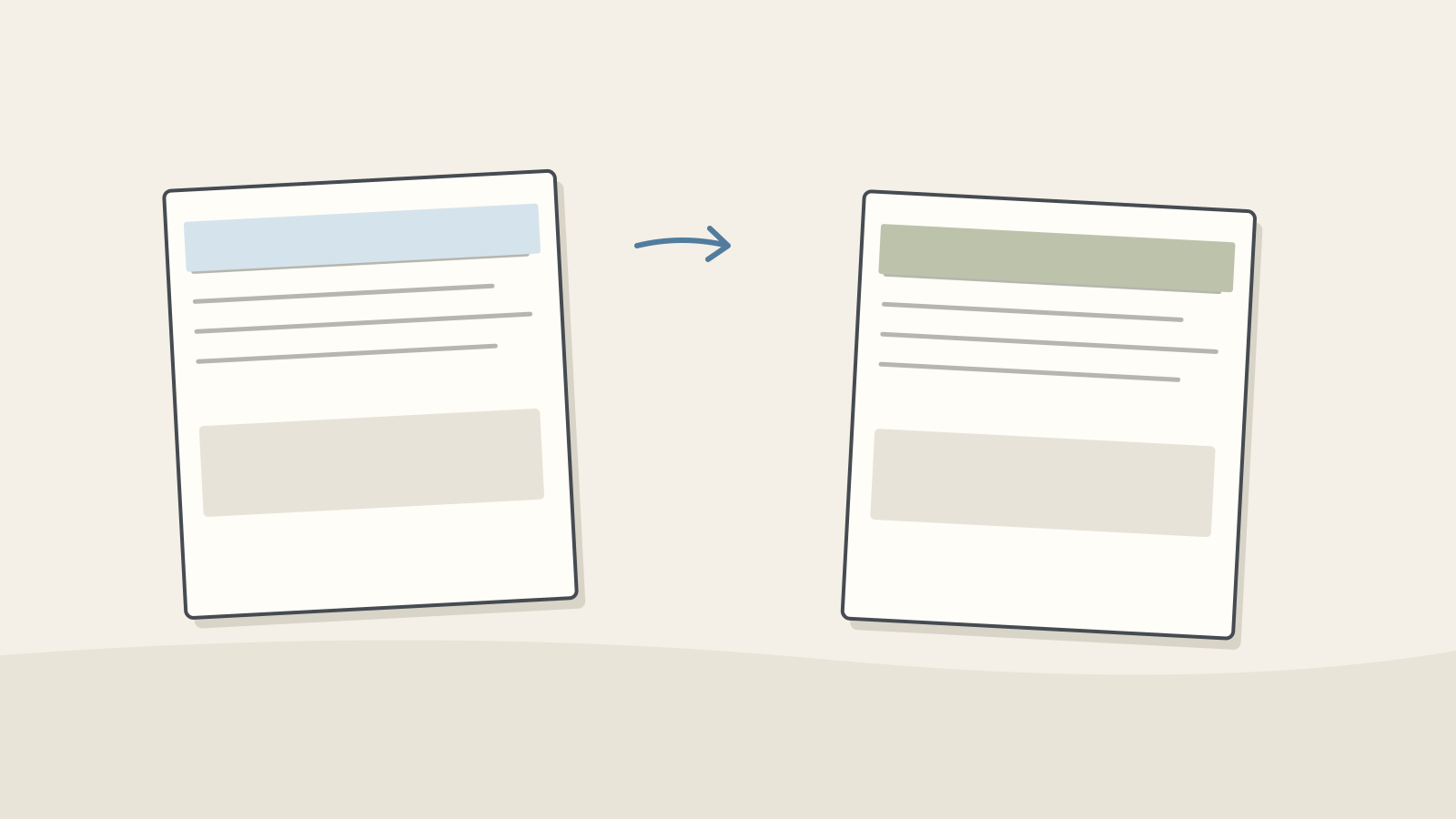
Figure: One line differs between variants while the other conditions match · AI Ping Choose a metric before seeing outcomes. More clicks do not automatically mean better product understanding. Subsequent behavior and misleading expectations may also matter.
Budget, duration, allocation, sample requirements and stopping rules depend on the actual test. Neither two weeks nor ten conversions is a universal threshold. This is a paper plan, not a live campaign.
3 / 4
Check & explain
Think about what you would ask AI, then read the explanation. Written submissions and external AI use are optional.
This is a learning check, not a test you must pass. Use the explanations to understand the ideas.
Q1Does “guaranteed ten completed books” merely rephrase “timer feature available”?
Write your thoughts (optional)
Your writing is not sent anywhere. It disappears when you leave or reload this page, so copy anything you want to keep.
Read the answer and explanation
No. A feature became an outcome guarantee. Without outcome evidence, return to the feature description.
This is your own review, not an automatic score.
Q2Headline, image and audience all differ between A and B. Can the difference be attributed just to the headline?
Write your thoughts (optional)
Your writing is not sent anywhere. It disappears when you leave or reload this page, so copy anything you want to keep.
Read the answer and explanation
Not reliably. Define the variable, fixed conditions and allocation before testing.
This is your own review, not an automatic score.
Q3The seven-day trial is specified but later charges are unknown. Is a finished draft ready to publish?
Write your thoughts (optional)
Your writing is not sent anywhere. It disappears when you leave or reload this page, so copy anything you want to keep.
Read the answer and explanation
Confirm required pricing, renewal and landing-page information first. Draft completion is not publication readiness. Seven days is an invented exercise condition.
This is your own review, not an automatic score.
Common mistakes
- Asking for "good copy" without an audience or channel
- Running AI-added numbers or claims without checking them
- Launching every variation at once so you can't tell what worked
Your learning record
Completion is optional. Mark this lesson when you feel ready, or move to the next lesson without marking it.
Completion is saved in this browser.
4 / 4
Apply to your work
Consider how new material changes the workflow and checking criteria. Trying an external AI tool is optional.
Try it: keep variants and unresolved decisions
Keep A and B, their evidence, the changed element, fixed elements and intended metric on one sheet. Remove unsupported claims and flag unconfirmed trial terms. All numbers remain explicitly fictional.
Preference feedback differs from performance evidence. Asking what feature a reader understood can improve clarity, but cannot establish which ad sells better.
When data arrives, inspect metric definitions and allocation first. Inadequate or incomparable data may warrant withholding judgment. The final course lesson separates calculations from causal hypotheses.
Write a note (optional)
Use this only if you want to record a prompt or your understanding. This is a notebook, not a connected AI assistant.
Your writing is not sent anywhere. It disappears when you leave or reload this page, so copy anything you want to keep.
References
- Awareness Image ad specs on Instagram Feed — Meta Ads Guide
- About responsive search ads — Google Ads Help
- Misrepresentation (Google Ads policy) — Advertising Policies Help