Google opens Gmail’s MCP server to AI agents and limits its send tools to partners
Edited and reviewed by AI Ping Editorial Team
Key points
- Users can review an agent’s draft in Gmail and send it themselves.
- Google will enforce its MCP requirement for AI access to Workspace data on February 1, 2027.
- The free tier allows 5,000 requests per project per product per day. From April 1, Scaled projects pay from the first successful Gmail, Calendar or Drive MCP request.

Google announced the general availability of its MCP servers for Gmail, Drive and six other Workspace services on November 24. The Model Context Protocol is an open standard that lets an AI application call tools provided by another service. An agent can create a draft in Gmail. The tools that send a new message, reply to an existing one or forward it require partner access.
Under Google’s new terms, AI tools accessing Workspace data must use a Google-managed MCP server. Google will begin enforcing that requirement on February 1, 2027. Docs, Sheets, Slides, Calendar, Chat and Tasks round out the eight services. The rollout spans about two weeks and includes both the servers for web and cloud agents and an official command-line tool for agents running in a local terminal.
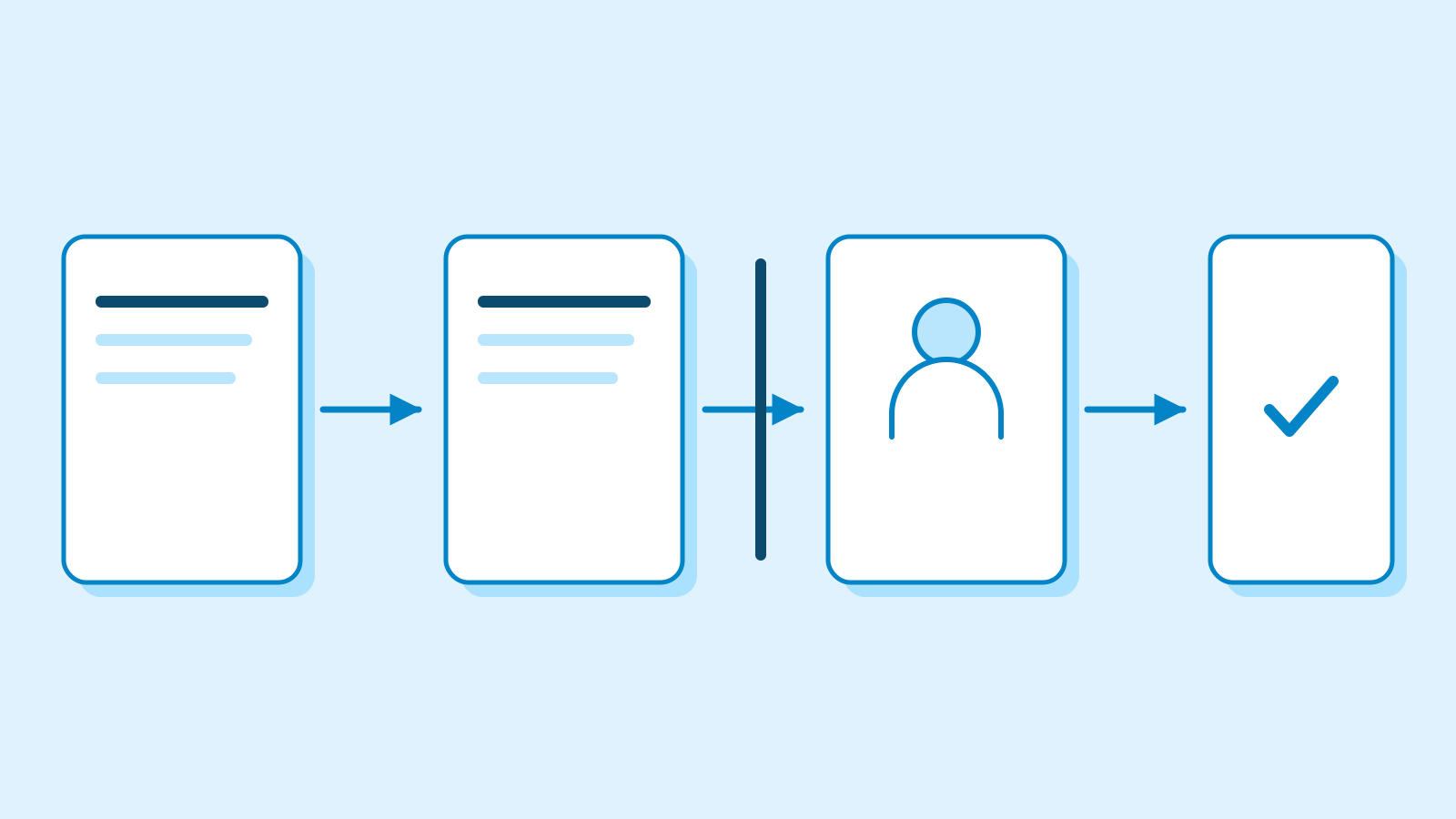
Google’s Gmail guide illustrates the handoff with a request to tell a colleague that a marketing plan has been approved. The agent prepares the message and saves it in the user’s Drafts folder. The account holder can then open it in Gmail, check what it says and send it to the recipient.
Google’s default settings tie the confirmation prompt to the action. An agent can save a private draft or edit a private file without an extra prompt. Moving an item to the trash requires confirmation on every request. External agents cannot permanently delete items. Reading a file shared by someone outside the organization or inviting an outside guest to a meeting also calls for user approval by default.

Workspace administrators can see connected agents, audit their activity and revoke access in the admin console. Google plans to give employees their own view of agent activity and a way to revoke access to their email and documents. It also described a forthcoming option to put individual Gmail messages and Drive folders off limits to external agents.
Google limits the tool operator’s use of the data to the active task the user authorized. The addendum bars using material obtained this way to train or fine-tune models or build evaluation datasets. It also requires operators to stop retaining user data they obtained through the connection once the tool is disconnected or its access revoked.
How Gmail counts a thread search
On the free Standard tier, Google allows 5,000 daily MCP requests per Cloud project for each product. People who use Gmail through the same project share its Gmail quota. Drive has a separate count. To request a higher limit, an operator must link a billing account, enroll the entire project in the Scaled tier and then apply for an increase. Google says an agent that calls the traditional REST APIs directly after the February deadline will be subject to Standard limits regardless of the tier its project has chosen.
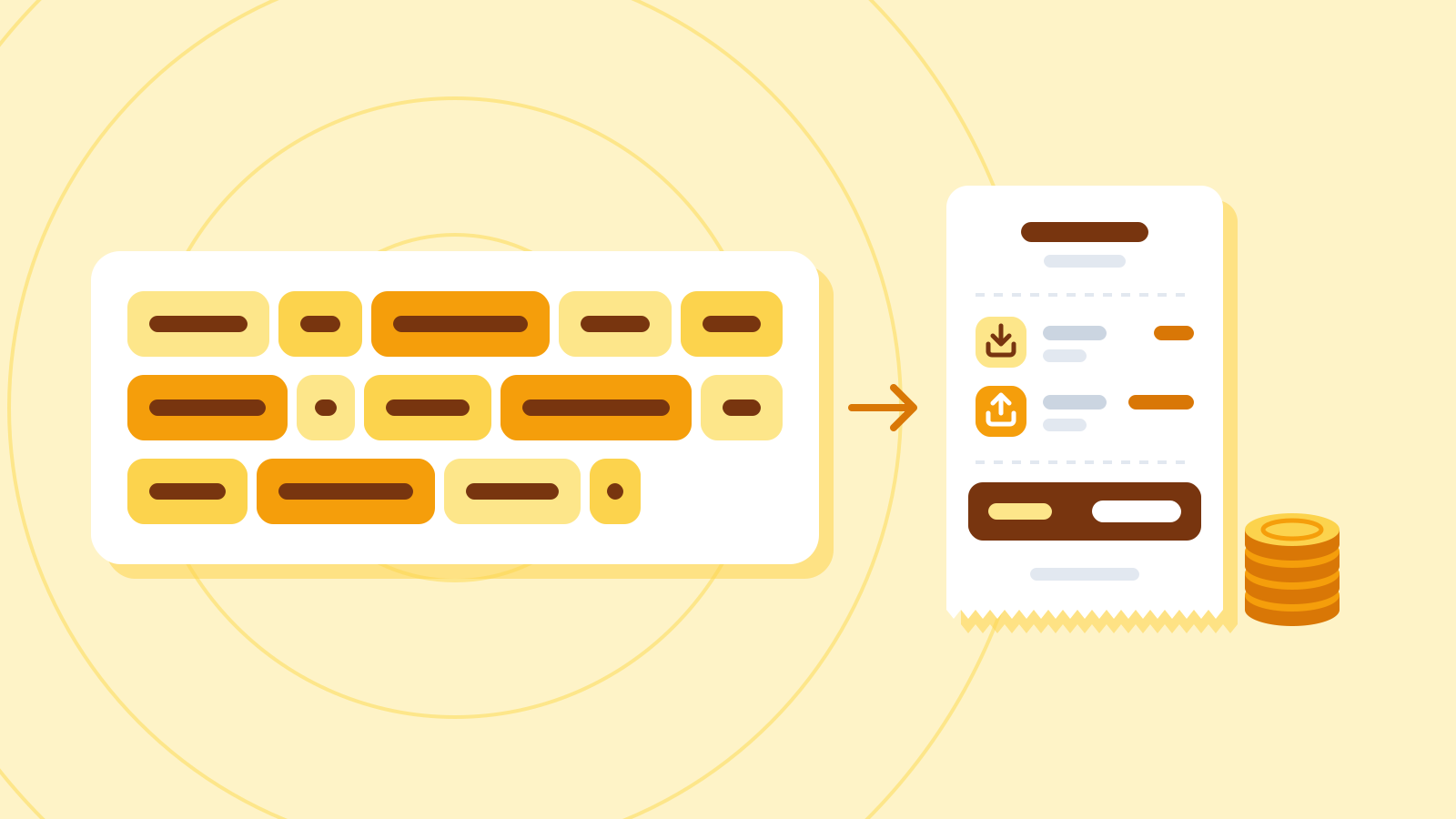
A Gmail thread search counts as ten requests against the daily limit. Listing the drafts in a mailbox also counts as ten. Creating one draft uses a single request unit. Consider an agent handling customer inquiries. If it searches threads 100 times and creates 100 drafts, those two operations use 1,100 units in total. Repeated searches can use up the available quota even when the number of customer requests stays the same.
Starting April 1, 2027, projects enrolled in Scaled will pay for Gmail, Calendar and Drive MCP usage from the first successful request. On the same tier, the traditional REST APIs retain daily allowances before charges start. The base price for the category that includes creating a Gmail draft is $0.20 per thousand billing units.

Google’s dashboard shows project operators the historical volume for the Gmail, Calendar and Drive APIs over one, seven or 30 days. The reporting period ends two days before the date of the lookup, so a workload started this morning will take time to appear in the table. A separate estimator loads the project’s past 30 days of activity and shows the projected REST and MCP charges separately. Organizations that run several projects on the same billing account can combine their records to see the gross cost and the volume discounts that would apply.
Sources
- Workspace MCP servers, CLI, usage tiers and admin policies — Google Workspace Updates
- Google Workspace AI Tools Addendum — Google Workspace
- Configure the Gmail MCP server — Google for Developers
- Gmail API and MCP server quotas — Google for Developers
- Control which apps access Google Workspace data — Google Workspace Help
- New AI agent protections and developer tools in Google Workspace — Google Workspace
- Usage tiers and quotas for Google Workspace APIs and MCP servers — Google for Developers
- Workspace API and MCP server pricing and billing tiers — Google for Developers
- Monitor quota usage with the Google Workspace API dashboard — Google for Developers
- Estimate Google Workspace API and MCP server quota billing costs — Google for Developers