Perplexity expands Orchestrator to proprietary models and previews automatic routing
Edited and reviewed by AI Ping Editorial Team
3-line summary
- The existing API now combines proprietary and open-weight model access.
- Optional routing in preview picks a model for each request from task descriptions.
- Same-model provider failover keeps its token rate; usage draws on separate API credits.

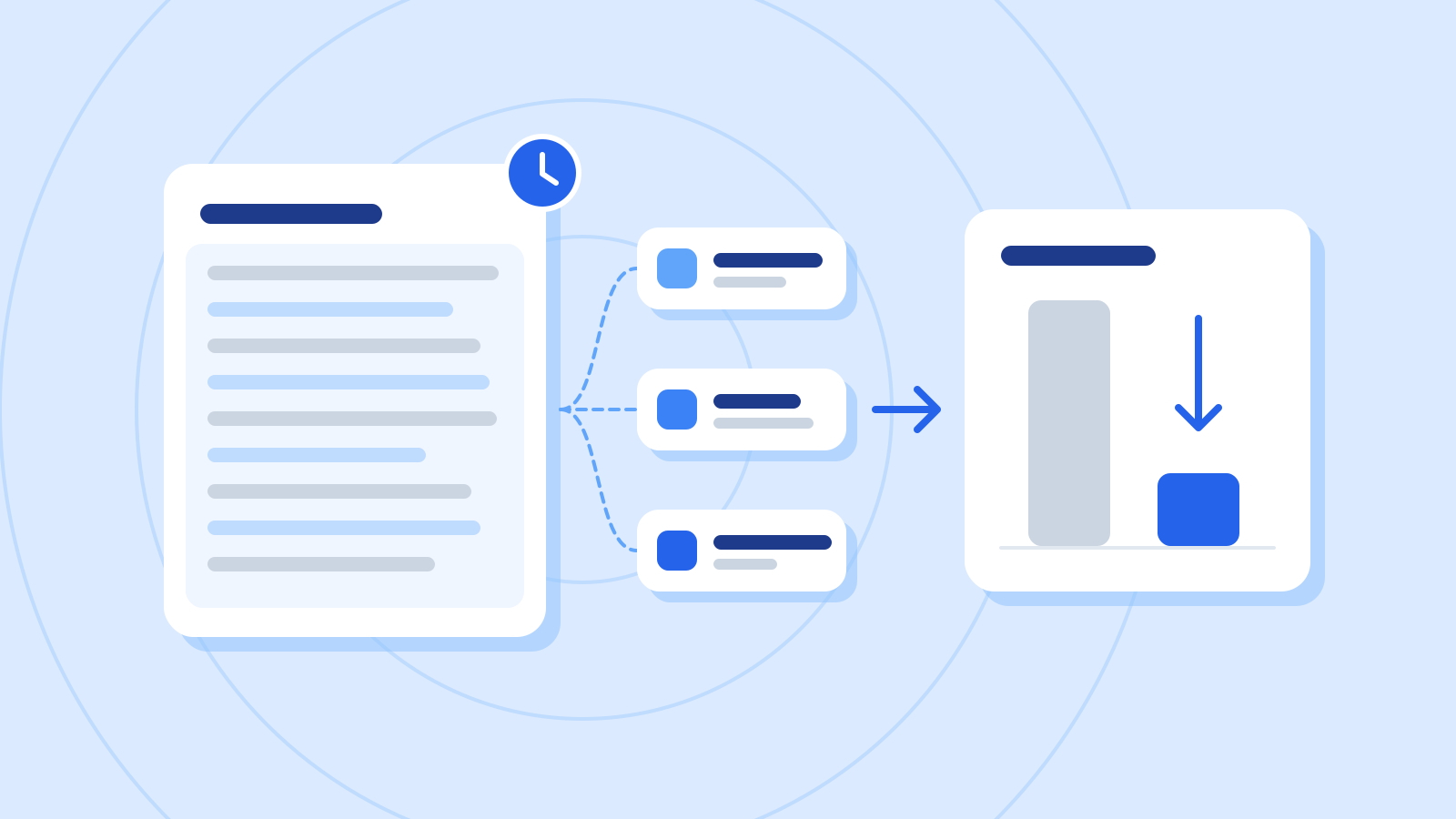
Perplexity has expanded its Orchestrator API beyond open-weight models to include proprietary models, and introduced optional automatic model selection in preview. Its November 17 announcement puts model access and billing behind one interface. Developers can name the model they want or describe which tasks should go to particular models, letting the service choose for each request.
Orchestrator already existed: the official changelog lists open-weight access and deployment failover under July. The new announcement brings proprietary providers into that offering and highlights routing that can change models as a conversation changes tasks. Applications can keep a supported request format while accessing a broader model catalog.
The interface accepts OpenAI Chat Completions, OpenAI Responses and Anthropic Messages. Catalog models support all three formats, although individual features vary. Existing SDK integrations use Perplexity’s endpoint, key and full model identifier. Authentication and billing use that Perplexity key; the service does not accept developers’ own provider keys.
Once a model is chosen, provider selection happens automatically. A Claude request that fails at Anthropic can be retried through AWS Bedrock when another deployment of that model is available. Perplexity says selection considers observed errors, capacity and latency. Invalid requests and context-window overflows return errors directly. A stream interrupted after output starts must be treated as incomplete. Streaming charges cover delivered tokens; requests that exhaust every deployment before producing output are unbilled.
Choosing a model for each request
Optional automatic routing pairs a default model with up to five routes, each containing a task description and its assigned model. A decision model reads the conversation and matches it to those descriptions. Perplexity illustrates this with customer support: routine questions, billing disputes and technical problems can be assigned different models.

The default handles unmatched requests or a failed routing decision, and also receives requests containing images, audio, video or files. Responses identify the serving model and routing outcome. Developers send the full conversation each turn; successive turns can use different models. Orchestrator is stateless, so applications cannot resume server-stored conversation state.

Access depends on the API organization’s usage tier. Google, xAI and open-weight models start at Tier 0; OpenAI and Anthropic access starts at Tier 1. Claude Opus 5, Opus 5.5 and Fable models require Tier 2. A tier-filtered catalog is not a promise of current capacity or compatibility with separate organization settings. Tiers follow lifetime credit purchases, not the current balance: Tier 1 starts at $50 and Tier 2 at $250. Reached tiers are retained.
Charges follow each model’s token rates. Switching providers for the same model keeps that rate unchanged; automatic model selection uses the rate of the model that answers. There is no per-request fee. Cached input and reasoning output have their own accounting rules. The current catalog prices Claude Sonnet 5.5 at $2 per million input tokens and $10 per million output tokens.
Usage draws from prepaid Perplexity API credits, purchased separately from Pro and Max subscriptions. Neither subscription is required. A sign-up bonus alone does not unlock Orchestrator: the account must add API credits. Project administrators can inspect model-level costs and filter usage by API key in the console. An exhausted balance blocks API keys until replenished; automatic top-ups are optional.
Zero data retention is disabled by default and requires a written agreement and account configuration. Organizations enabling it cannot call the Fable models. Their automatic-routing decision model also operates under zero data retention.
Sources
- Orchestrator: one API for reliable inference — November 17, 2026 — Perplexity
- Changelog: prior Orchestrator offering in July — Perplexity API Docs
- Orchestrator quickstart: formats, state and access — Perplexity API Docs
- Routing & Reliability: model choice and provider retries — Perplexity API Docs
- Orchestrator FAQ: keys and zero data retention — Perplexity API Docs
- Models & Pricing: rates and usage tiers — Perplexity API Docs
- Pricing: token accounting — Perplexity API Docs
- Projects & Billing: prepaid credits and subscriptions — Perplexity API Docs
- Rate Limits & Usage Tiers: lifetime purchase thresholds — Perplexity API Docs