Sarvam updates its 105B API and runs the 65 GB model on one 96 GB GPU
Edited and reviewed by AI Ping Editorial Team
Key points
- Both 105B APIs now serve the 1711 weights without changes to existing calls.
- The conversational API lists 10 rupees per million input tokens and 25 rupees per million output tokens.
- Sarvam tested its four-bit weights on one RTX PRO 6000 Blackwell with 96 GB of memory.

On November 22, Indian AI company Sarvam switched both of its hosted 105B models to Sarvam-105B-1711. Applications calling sarvam-105b or sarvam-105b-conversations now reach the new weights through their existing endpoints, with the same model names and request format. A 65 GB edition can also run on a single workstation GPU.
The two services retain different limits. The flagship has a 128,000-token context window and enables reasoning by default. The conversational version has a 32,000-token window and keeps reasoning off for live dialogue. Both accept English and ten widely spoken Indian languages, including input written in Roman script and sentences that move between languages.
Sarvam reports that its average across eight conversational-agent benchmarks rose from 42.6 for the February release to 73.9 for the new four-bit NVFP4 version. The company’s tests cover following instructions, writing, calling tools and working in Indian languages.
Consistency matters when two customers make the same request. Sierra’s τ²-bench uses simulated retail, airline and telecom conversations. The benchmark checks the result of actions on records such as orders or reservations. In telecom, a simulated customer can also act, so the agent may have to explain a step that only the customer can perform. In Sarvam’s run, the new model completed 69.5% of the tasks successfully on all four independent attempts.
For example, the benchmark’s retail policy permits a return once an order is recorded as delivered. The agent must check its status and have the customer confirm the order and the items. Refunds go to the original payment method or an existing gift card. Once the customer confirms, the order can be marked as a return request.

What the model does during a call
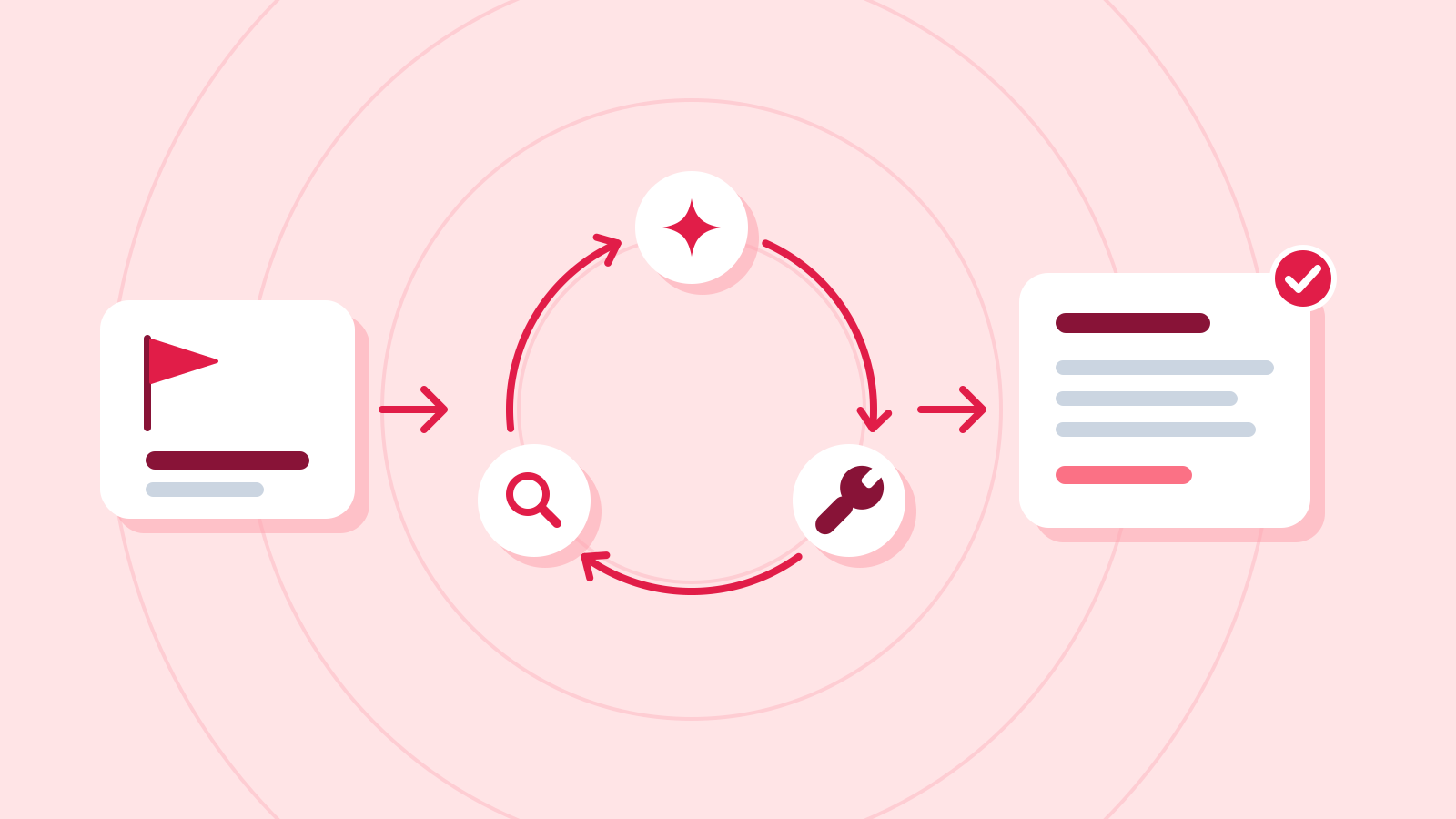
In Sarvam’s Samvaad voice platform, the system passes the conversation history, current variables and permitted tools to the language model. If the model asks for a tool, the surrounding software executes it and returns the result. That gives the model a chance to use information from a business system before deciding what to say next.
The public Samvaad evaluation set tests that next turn. Across 338 examples in 13 languages, 158 call for a spoken reply, 146 for a silent tool call and 34 for both. Its checks consider the information passed to a tool as well as whether an answer fits the conversation and uses the expected language and script.
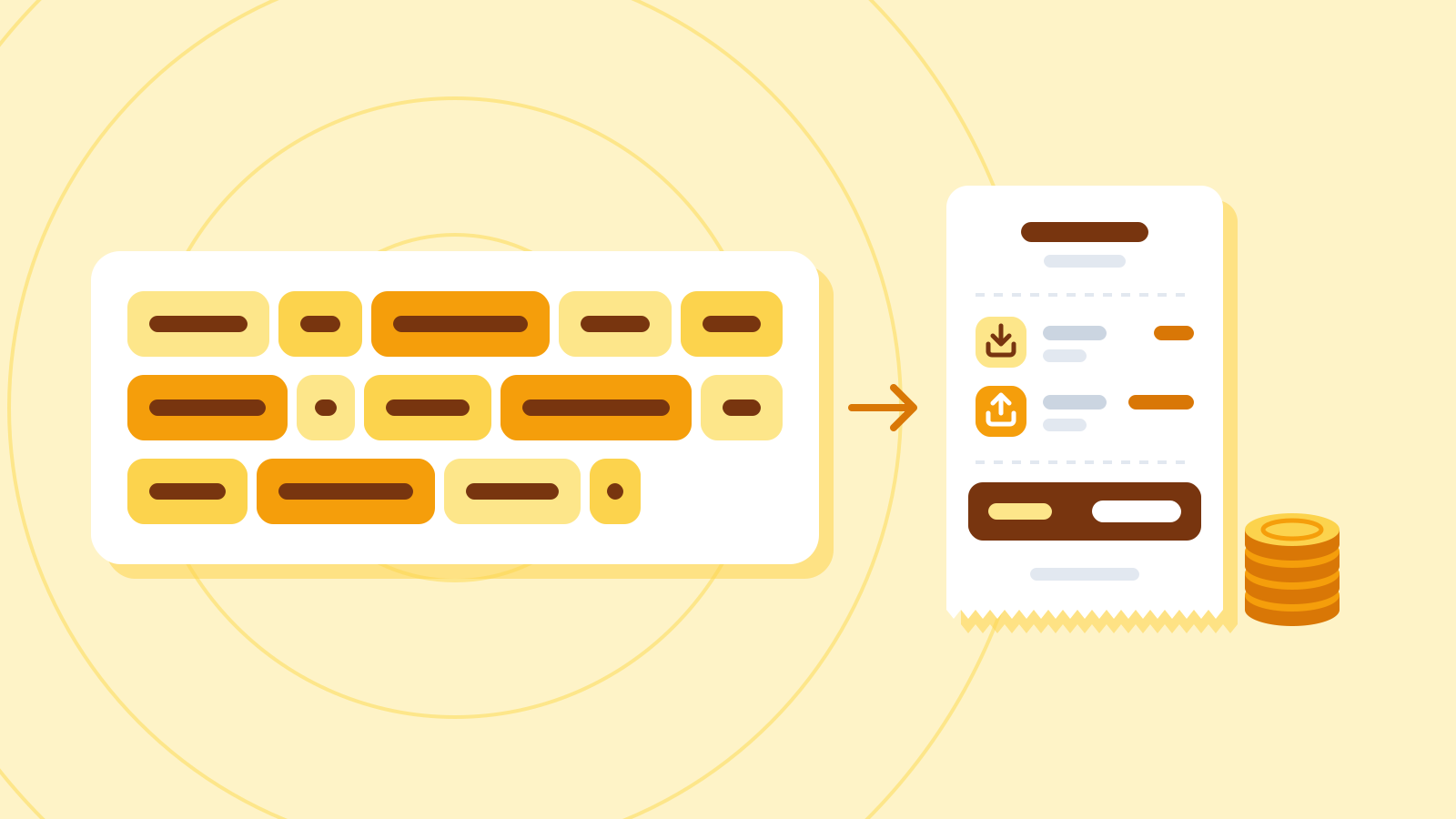
Token Factory lists the conversational model at 10 rupees per million input tokens, 0.25 rupees for eligible cached input and 25 rupees for output, before tax. For example, 750,000 uncached input tokens and 250,000 output tokens cost 13.75 rupees in total. In a phone service these rates cover the text model between speech recognition and speech synthesis. The $0.15 figure in the announcement blends input and output in a three-to-one ratio.
Sarvam lists BF16 and NVFP4 weights and an Apache 2.0 license. Its workstation tests used a single NVIDIA RTX PRO 6000 Blackwell with 96 GB of memory. The underlying model uses a mixture of experts. It selects part of the network for each token, activating about 10.3 billion of its 105 billion parameters.

In the model card’s 50,000-token context test, one user received 61.8 tokens per second. Four concurrent users received 14.4 each. Median time to the first token was 8.1 seconds for one user, 8.5 for four and 19.5 for eight.
Sources
- November 22 — Sarvam-105B now runs on the 1711 weights — Sarvam API Docs
- Introducing Sarvam-105B-1711 — Sarvam AI
- Sarvam-105B — differences between the two model IDs — Sarvam API Docs
- τ-bench — domains and reliability measures — Sierra
- Voice agent harness — context, tools and the agentic loop — Sarvam API Docs
- Samvaad Bench v2.1 — multilingual service conversations — Sarvam AI on Hugging Face
- Sarvam 105B Conversations — token pricing and modalities — Sarvam Token Factory
- Sarvam-105B-1711 NVFP4 — model card and workstation throughput table — Sarvam AI on Hugging Face
- Sarvam-105B — original mixture-of-experts architecture — Sarvam AI on Hugging Face
- τ²-bench — retail agent policy for delivered returns — Sierra Research