Google’s Gemini Decisions API evaluates up to 1,000 questions in one request
Edited and reviewed by AI Ping Editorial Team
3-line summary
- Google opened the Gemini Decisions API in public beta on November 11.
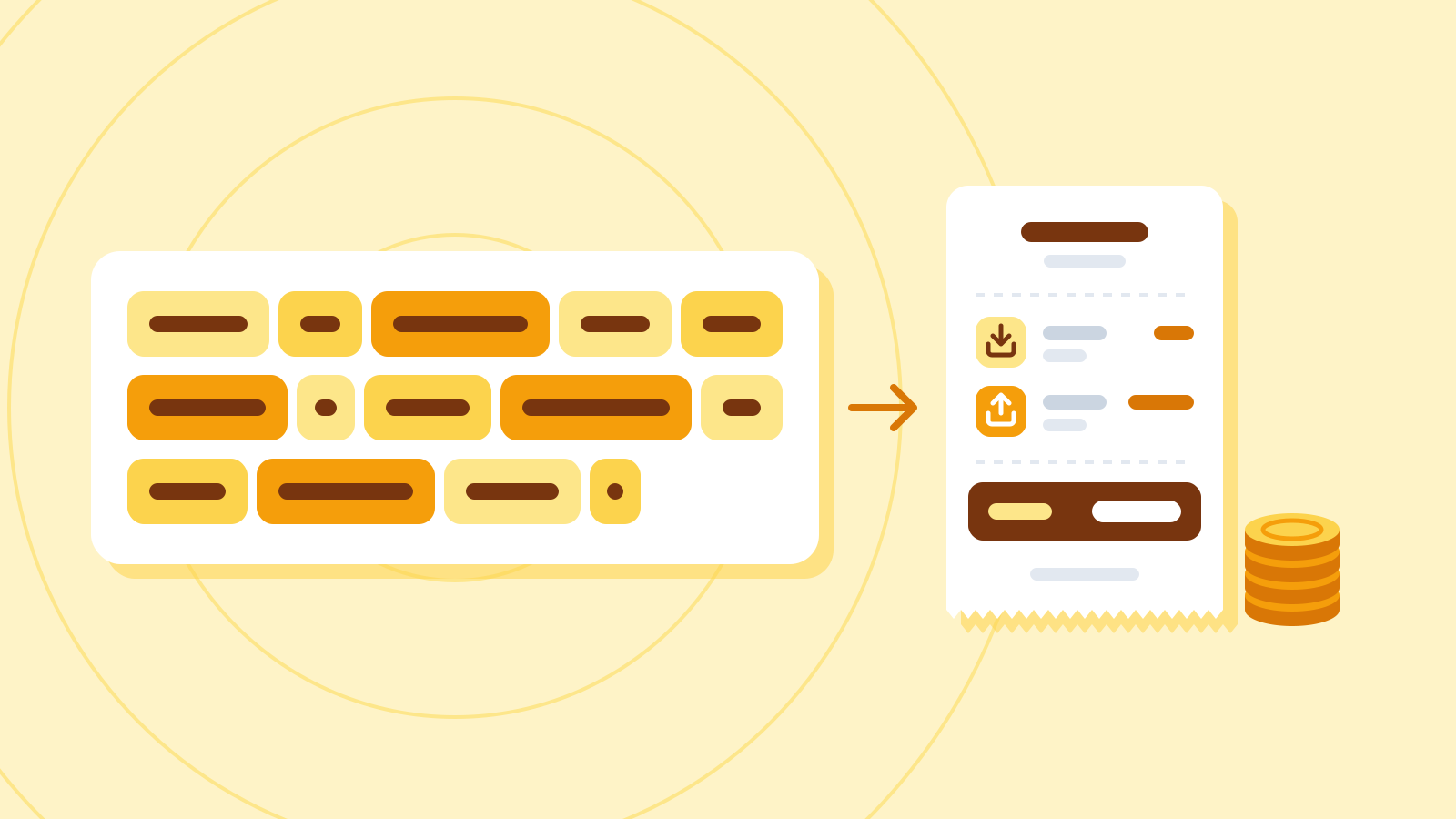
- One request can return probabilities or scores for up to 1,000 questions about shared material.
- The API has a free tier, with paid input priced at $0.10 per million tokens.

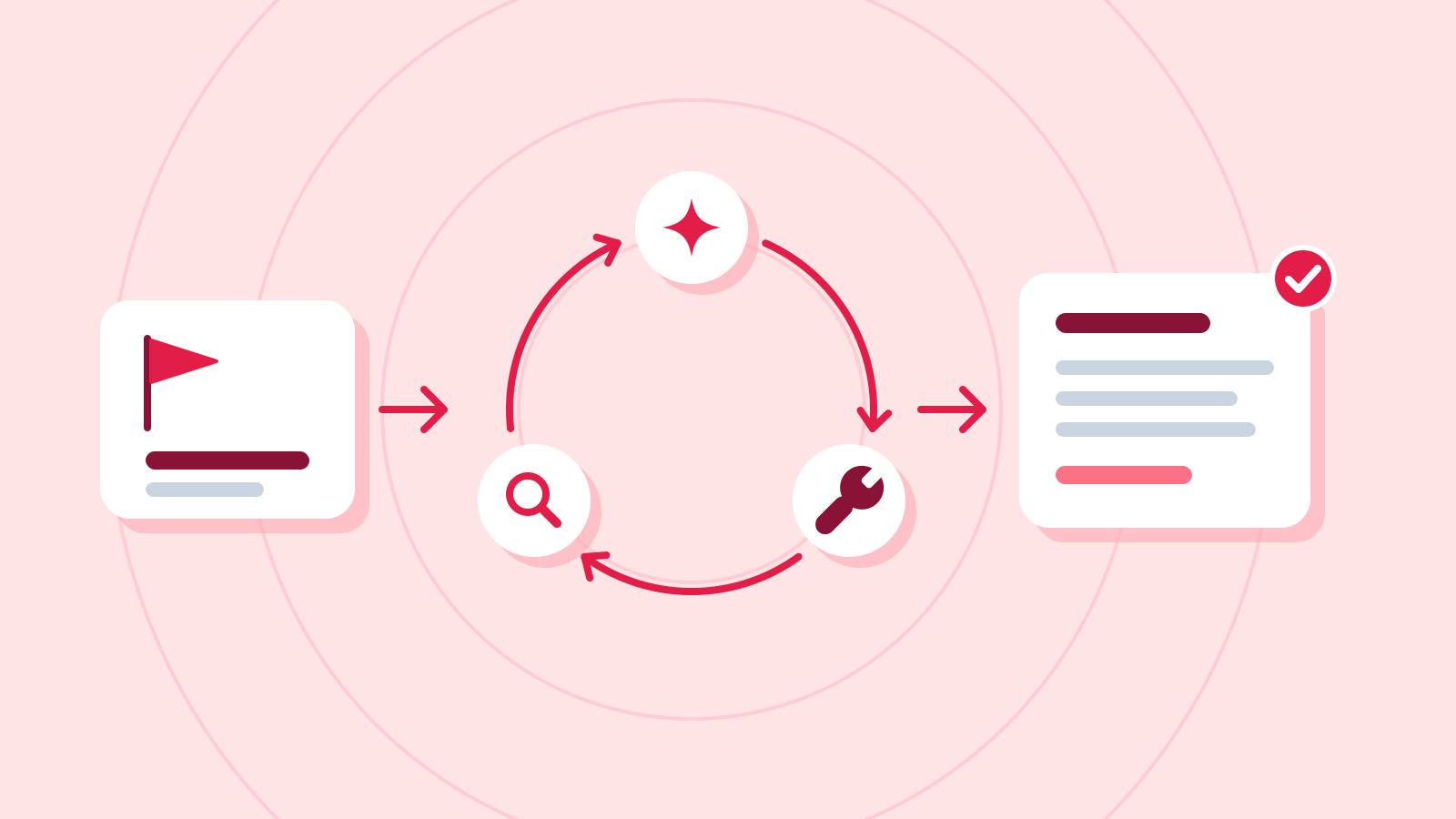
Google opened its Gemini Decisions API to developers in public beta on November 11. An application can send a photo, document or other input once and ask up to 1,000 independent questions about it in a single request. The underlying Gemini Decision 1 model returns probabilities for options the developer supplies or scores based on a rubric the developer defines.
A parcel support app, for example, could send a customer’s message and photo together, then ask whether the packaging looks damaged and which team should handle the inquiry. The app receives structured results that it can read directly. The API is available with a Gemini API key from Google AI Studio. There is a free tier, and paid usage costs $0.10 per million input tokens.
One request can mix yes-or-no questions, choices and scores
The shared input can contain text, images, audio, video or PDFs. Google’s model documentation lists a limit of 262,144 input tokens per request. A developer can ask about the presence of a package and the condition of its seal without resending the same photo. The questions are evaluated independently. If the next question depends on an earlier answer, the app can send a second request or evaluate both questions upfront and use the results it needs.
A binary question returns a probability of yes from 0.01 to 0.99. A choice question takes 2 to 255 options and returns the most likely one along with the full distribution. A rubric can contain 2 to 255 ordered levels. For a rubric that distinguishes an intact box, a dented surface and exposed contents, the response would include a score weighted by the probabilities and a breakdown by level.

Confidence can determine which inquiries go to a reviewer
A 0.10 probability that packaging is damaged would give the more likely answer, no, a confidence of 0.90 under Google’s documented formula. Those figures are illustrative. For a choice question, confidence is the probability assigned to the top option. The other probabilities show when two choices are close.
A parcel support app could assign a team based on the category returned by the model and send low-confidence cases to an employee. The application sets the threshold, and Google’s documentation describes checking it against examples with known outcomes. Google also says its Gemini Notebook product uses the API to route everyday questions to faster models and more complex requests to models with deeper reasoning.

Billing counts shared material once and adds the questions
Shared material counts once within a request. Instructions, options, scoring criteria and their formatting contribute input tokens, so the total can grow even when the attachment stays the same. Sending the attachment in a separate request counts its tokens again. Google charges no output token fee for the structured reply. Its paid pricing table lists the same input rate for text, images, audio, video and documents.
The free tier allows up to 200 requests per minute, 50,000 tokens per minute and 10,000 requests per day. The first paid tier raises those limits to 1,500 requests per minute, one million tokens per minute and 50,000 requests per day. A service that sends long files can reach its token allowance before its request allowance. The model handles multiple questions within an interactive request. Google’s separate Batch API for processing jobs later does not support it.
Google reported median end-to-end latency of 150 to 250 milliseconds for inputs of up to 16,000 tokens in its own tests. Its comparison of latency by question count covered 1 to 100 questions per request. Both measurements used a narrower range than the maximum input size and question count listed for the model.
The public beta uses the /v1beta/decisions endpoint. The November 11 Gemini API release notes list the endpoint and Gemini Decision 1 together. Google also plans to bring support to Gemini in Google Cloud and gave no start date for that rollout in the announcement.
Sources
- Gemini Decisions API launch — Google
- Decisions API guide — Google AI Studio
- Gemini Decision 1 specifications — Google AI Studio
- Gemini Decision pricing — Google AI Studio
- Gemini Decision rate limits — Google AI Studio
- Decisions API reference — Google AI Studio
- Gemini API release notes — Google AI Studio