Gemini 4 Carbon opens to paying users, with API prices doubling December 1
Edited and reviewed by AI Ping Editorial Team
3-line summary
- Google expanded Carbon access to paying API customers, businesses and AI Ultra subscribers.
- Standard API rates are $2/$10 per million input/output tokens through November, then double.
- Antigravity is rolling out a /swarm preview for coordinated implementation and verification.

Google opened Gemini 4 Carbon to paying developers and businesses on November 10, expanding access beyond the selected cybersecurity defenders admitted last month. The model is available through the Gemini API in Google AI Studio and Gemini for business. It is also rolling out to Google AI Ultra subscribers in the Gemini app, AI Mode in Search and Antigravity.
The release gives more users access to a model Google positions for complex coding, document analysis and scientific reasoning. The separate Carbon for cyber variant remains available through the Fairwind Program. Google describes Carbon as spending more effort exploring possible solutions and checking its work on demanding problems.
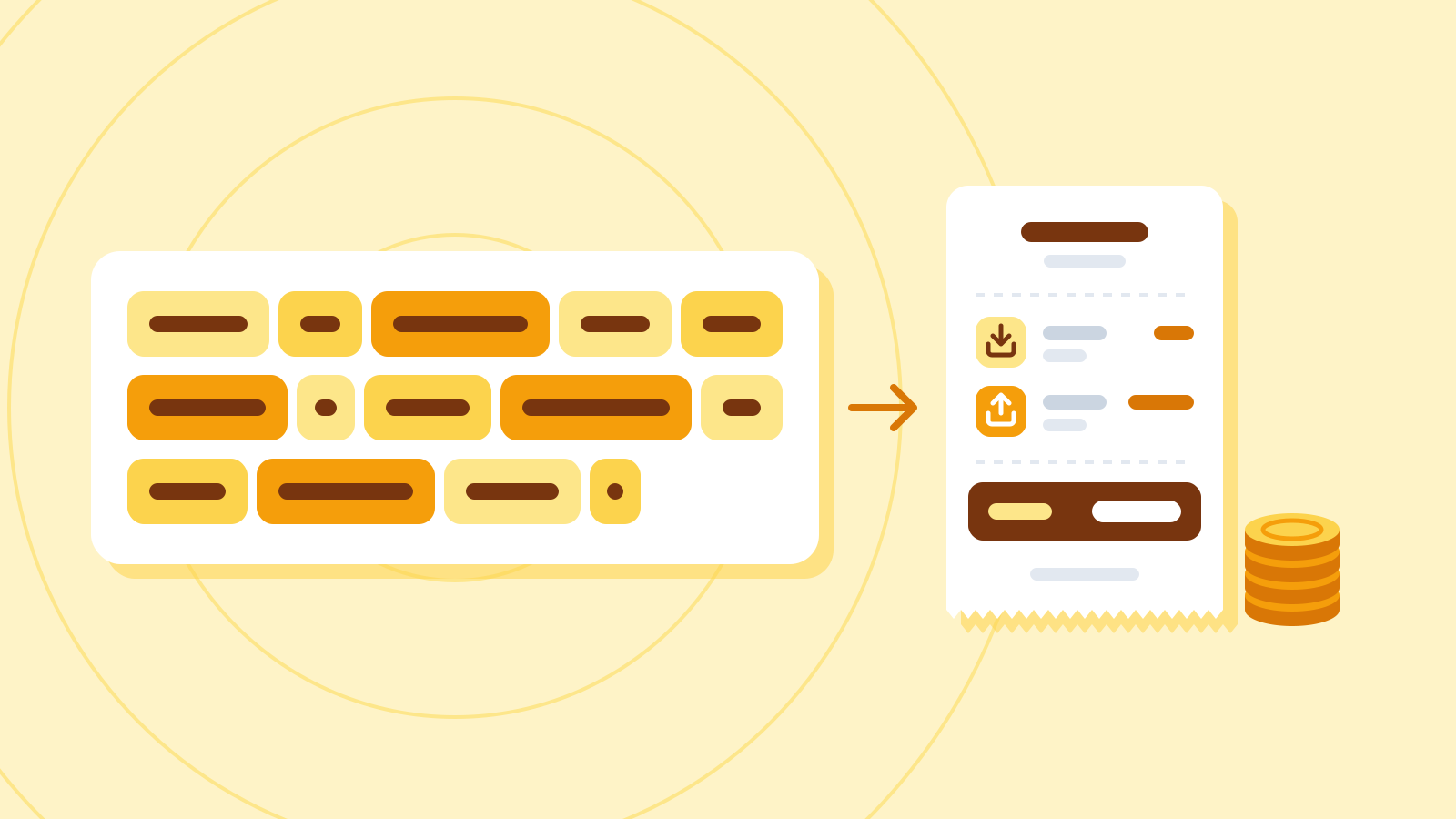
Standard API rates are $2 per million input tokens and $10 per million output tokens through November 30. They rise to $4 and $20 on December 1. Output charges include thinking tokens. Carbon’s API is paid-only. The pricing page lists lower rates for Batch and Flex processing, and higher rates for Priority.

More reasoning at the same token price
Google’s developer documentation says Carbon and Gemini 4 Argon share the same per-token pricing and unified context size. Carbon spends more thinking tokens per turn to investigate hypotheses and verify results, increasing token consumption and latency compared with Argon.
Developers can choose low, medium or high thinking effort, with medium as the default. Higher effort brings more reasoning and a longer wait for the first token. Google continues to position Argon for most software engineering and knowledge work, while describing Carbon as suited to harder debugging, architecture and scientific problems.
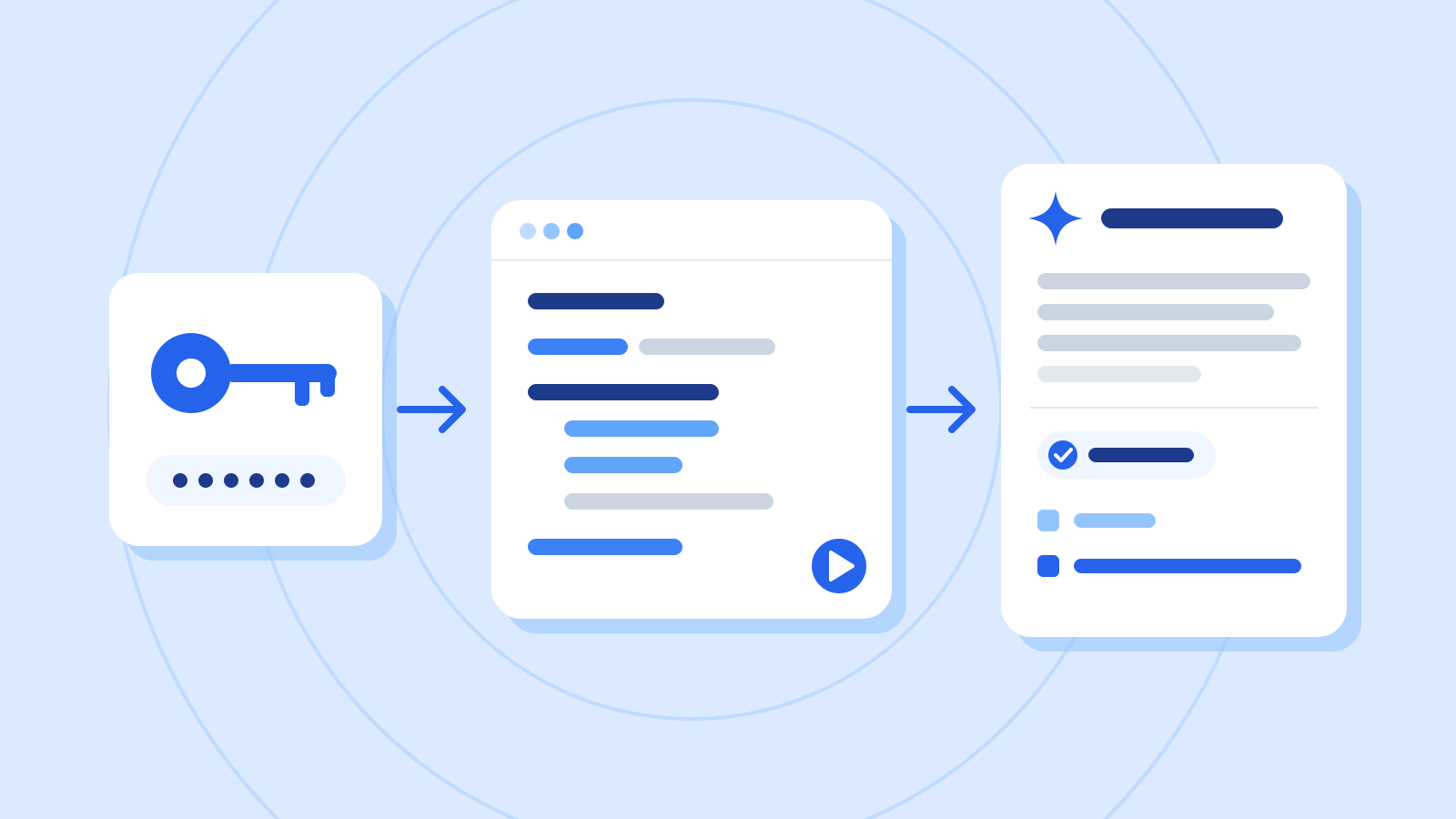
The public API model identifier is gemini-4-carbon. Its specification accepts text, images, video, audio and PDFs, and produces text. It supports code execution, computer use and structured output. Input, thinking and generated output share a 1,048,576-token context window, so larger inputs leave less room for generation.
Google also introduced the MKA evaluation with Artificial Analysis. Experts across 10 sectors and 83 occupations created 200 visually complex work tasks, run with the same tools and execution conditions. Rubrics weight factual accuracy at 75% and visual design at 25%. Google reported Carbon placed second for quality among the tested models; that ranking applies to this evaluation’s conditions.
MKA’s autorater uses a non-Google model to open files and inspect details such as spreadsheet formulas. Google reports 96% agreement with expert grading. The 200 evaluation tasks remain private, while a separate set of 10 public tasks exposes the format.
Antigravity is also rolling out a preview called /swarm. A coordinator divides a request among workers in isolated workspaces, while adversarial verifiers run tests and challenge proposed changes. Implementation and review can proceed in parallel.
Agents communicate through a shared message board. Users can inspect individual tool activity and intervene in an agent’s work. Google warns that parallel teams can exhaust usage quotas much faster than a standard conversation.

Longer API generation has additional conditions. The default response limit is 65,536 tokens for thinking and output together. Long decode can continue beyond that ceiling; in background execution, the server divides generation into successive hops. The maximum remains bounded by the unified context window minus the input.
Every hop is billable, including one containing only thinking. Cancelled or failed interactions are charged for completed work. Repeated input in continuation hops is also billable, with an implicit-cache discount. Antigravity’s /swarm preview is rolling out in its app and CLI, with Carbon access for Google AI Ultra subscribers.
Sources
- Gemini 4 Carbon is now available — November 10, 2026 — Google
- Gemini API pricing — Gemini 4 Carbon — Google AI Studio
- What’s new in Gemini 4 Carbon — Google AI Studio
- Gemini 4 Carbon — model specification — Google AI Studio
- Gemini 4 Carbon and /swarm — November 10, 2026 — Google Antigravity
- Long decode — output limits and billing — Google AI Studio
- Introducing the Multimodal Knowledge Agent benchmark — November 10, 2026 — Google / Artificial Analysis
- Google AI plans — Carbon access for Ultra — Google One
Corrections
- Added a conjunction linking two actions in the English text.