Shopify stores tell AI agents what they can do as Poppy 1.0 launches
Edited and reviewed by AI Ping Editorial Team
3-line summary
- Sierra released version 1.0 of Poppy, a protocol for personal AI agents working with businesses.
- Shopify publishes a discovery file for merchants, and Meta’s Muse looks for it when visiting sites.
- Public files at Allbirds and Knix say an agent can prepare checkout and the buyer completes the purchase.

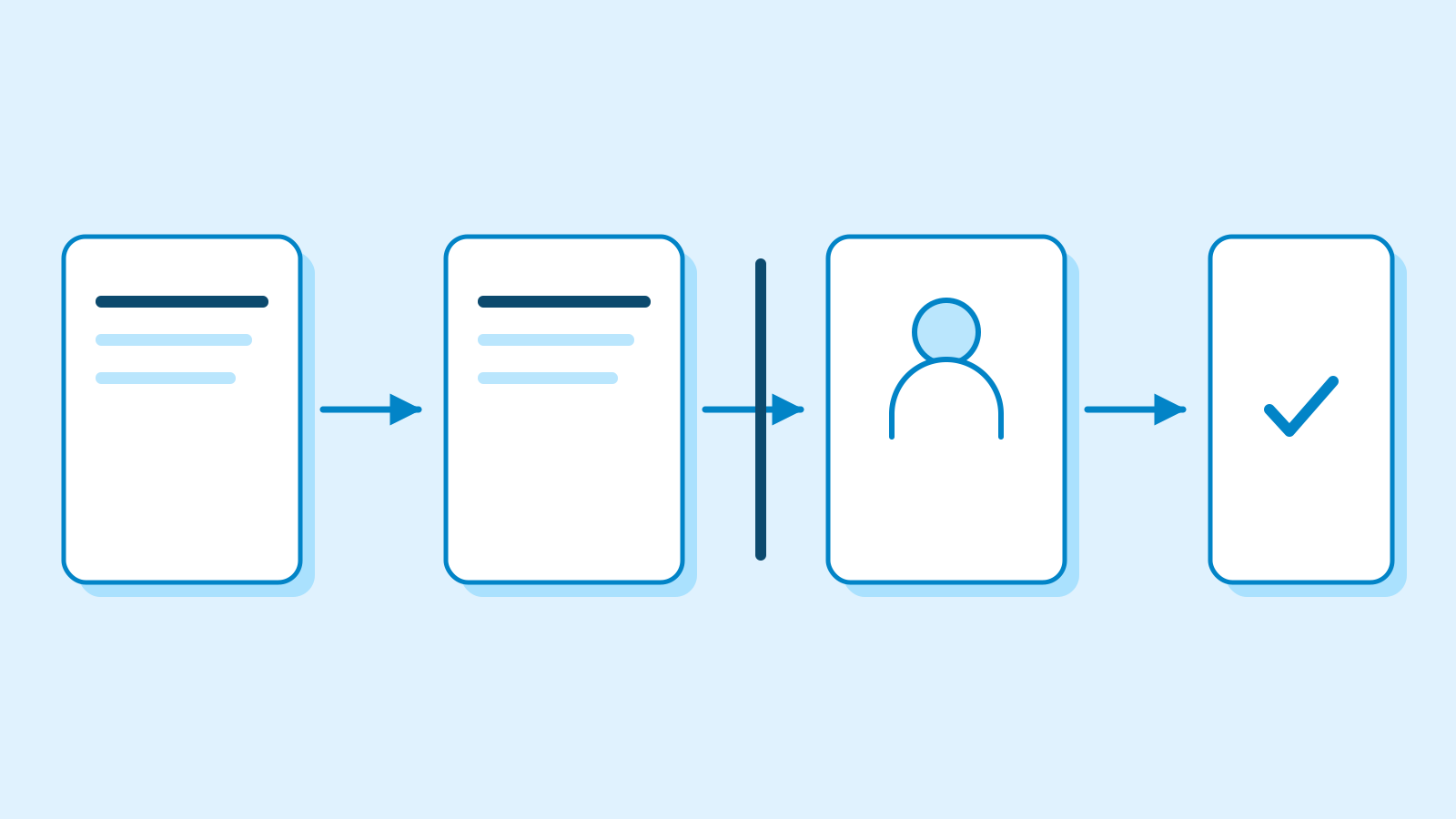
Sierra released version 1.0 of its Personal Agent Protocol, called Poppy, on November 13. It gives online stores and service providers a way to tell a visiting AI agent what it can do for a customer. Sierra says Shopify automatically publishes a Poppy file for every merchant and Meta’s Muse looks for the file first on websites it visits. If a shopper asks Muse to find an item, the agent can discover the route a participating store offers for product information and checkout preparation.
Publishing the file and completing a payment are separate steps. The public files at Allbirds and Knix both identified themselves as version 0.4 when checked on November 14. Both describe permission to prepare a checkout for a signed-in customer, with the buyer completing the purchase. The 1.0 specification is publicly available, and the two storefronts checked still identified their files with the earlier version.
What the store can offer and what the buyer approves
Poppy tells a visiting agent which channels a business makes available. Depending on the company, that can include its website, an API or a conversation with the company’s own agent. The company can also list what the visiting agent may do when a customer is signed in. For access tied to an account, the user can approve the connection on the company’s sign-in page. The specification allows the user to revoke that access later.
On Shopify, the file directs the agent to the store’s shopping capabilities. The Universal Commerce Protocol, known as UCP, handles the shopping functions themselves, such as finding products and preparing a cart or checkout. Sierra says Shopify’s extension allows guest shopping or account sign-in, depending on the merchant. The extension also supports asking the buyer before certain actions and passing product questions to a store’s agent.
A company can also identify requests it leaves outside the protocol. It can point the agent to another route, such as the company app or a page where the customer can complete the task. When a company has connected its own agent, the specification also covers handing the conversation over to a person. That gives businesses a way to distinguish tasks users can finish in the conversation from tasks that send them elsewhere.
The files examined at Allbirds and Knix each pointed to a shopping endpoint and listed one permission for preparing a checkout as a signed-in customer. Their descriptions said most stores allow guest checkout and mentioned possible discounts or promotions for existing account holders. The files show what the storefronts make available for discovery. This check covered those public documents.

Airline bookings and other services are rolling out on different terms
Sierra named Turkish Airlines as an example outside retail. It said an agent can look up fares, flight status and stopovers, and retrieve a booking using a reference number and surname. The company also said Miles&Smiles members can use an agent to find business-class upgrades, which the customer approves before paying. Completing a ticket purchase inside the conversation remains in development.
Meta named examples at different stages. It says Mercury customers can connect Muse to view account balances and recent transactions. Meta described looking up, changing and extending Hertz bookings as a future feature. Sierra said 60 more design partners had joined, taking the total to more than 100. That tally counts companies involved in the design effort. The companies’ announcements specify availability separately for individual services.

The official specification describes version 1.0 as version 0.4 with changes that arose during implementation. It also sets out how a service can make multiple versions available at once. A business can name its preferred version in its discovery file and link to the other versions it serves, so agents can move at different times. Sierra and Meta link to an implementation kit for businesses. Meta says it will review connectors seeking its verification for functional, security and legal requirements and test the tasks from end to end.
Sources
- 포피 1.0 발표와 쇼피파이 적용 · Releasing Personal Agent Protocol 1.0 — Sierra
- 뮤즈 지원 및 서비스 적용 범위 · More Ways for Muse to Work With Businesses — Meta / Muse
- 포피 1.0 규격과 다중 버전 · Personal Agent Protocol specification — Personal Agent Protocol
- 올버즈 상점의 공개 포피 안내 · Allbirds storefront discovery file — Allbirds
- 닉스 상점의 공개 포피 안내 · Knix storefront discovery file — Knix
- 상거래 규격의 적용 범위 · Universal Commerce Protocol — Universal Commerce Protocol