ChatGPT Wallet lets dots pay after you approve each purchase
Edited and reviewed by AI Ping Editorial Team
3-line summary
- OpenAI began rolling out Wallet to U.S. ChatGPT Pro subscribers aged 18 and older.
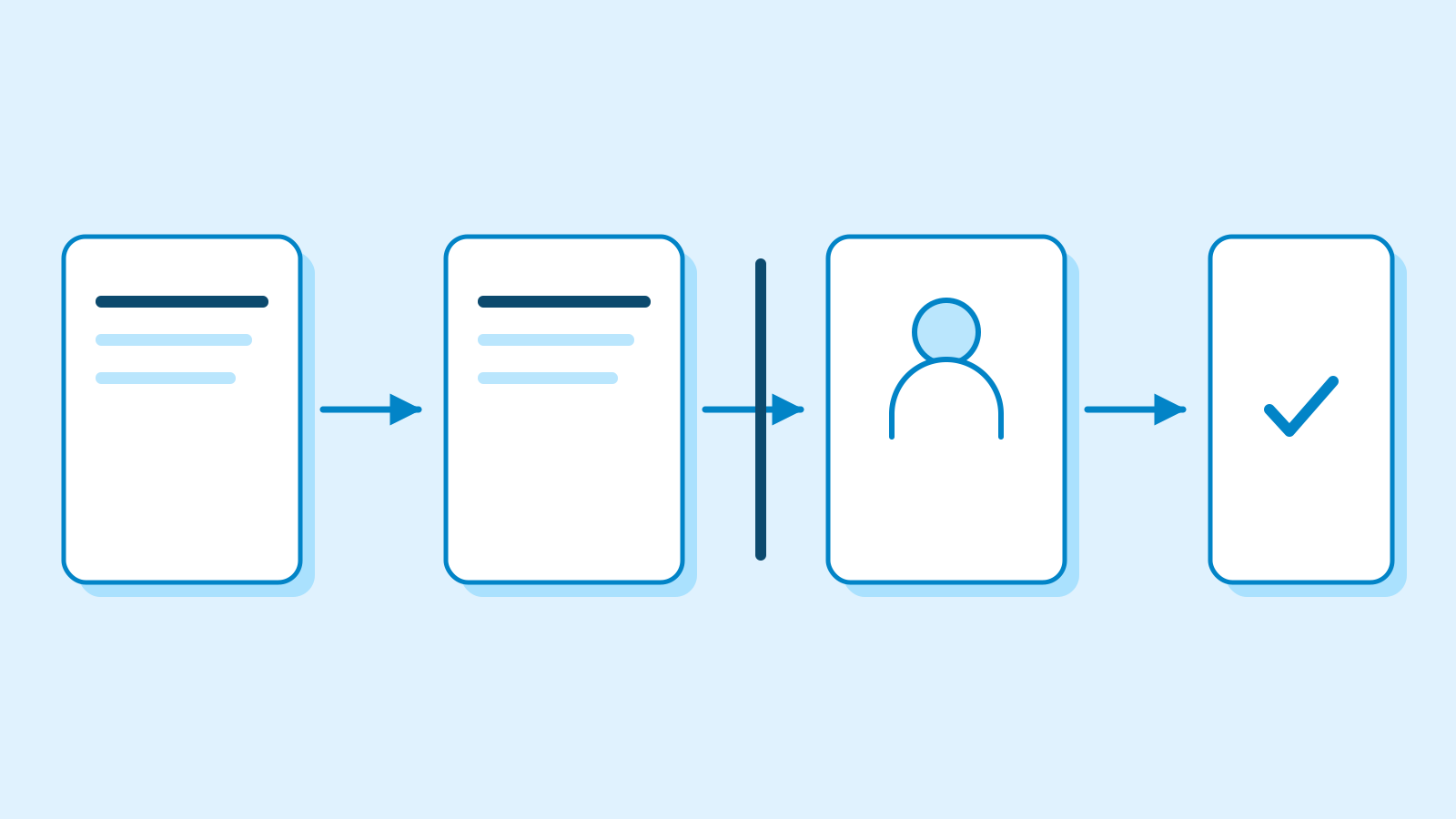
- A dot continues checkout once the shopper reviews the order and approves it with biometrics.
- A substitute credential goes into checkout, and the charge goes to the selected card.

OpenAI began rolling out ChatGPT Wallet to U.S. Pro subscribers on November 13. The feature lets a personal ChatGPT agent, called a dot, find an item and prepare a purchase. The user reviews the order and approves it with a biometric check before the dot continues checkout. Initial eligibility is limited to adults who live in the United States and have a U.S. billing address and a supported U.S.-issued card.
The payment request appears in a conversation with a dot, an agent that can work in a browser on a user’s behalf. OpenAI’s Help Center lists regular Chat, Work, and standalone Codex threads as outside Wallet’s launch scope. Cards saved for shopping are separate from both the card that pays a ChatGPT subscription and a gift-card or prepaid balance.
When approval becomes an order
The Wallet terms list the details available for review before an order goes out, including the seller, items and quantities, selected card, and total or maximum price with known taxes, fees and shipping. The screen may also flag a deposit or a recurring charge. When a shopper agrees to a recurring payment, the seller can retain the payment credential and charge it on the agreed schedule, according to the Help Center.
The Help Center describes a face or fingerprint check on a supported device. A user who starts shopping on a device that cannot verify the approval can continue on another supported device signed in to the same account. If a material order detail changes before submission, the Wallet terms say the service will ask the user to approve the new details.
Once approval is complete, the dot continues checkout and reports the result. The issuer decides whether to authorize the charge, and the seller decides whether to accept and fill the order. OpenAI’s support guide distinguishes the agent being ready for checkout from an order confirmation. The seller’s own policies cover cancellations, returns and refunds.

What goes to the seller
After approval, Wallet uses a substitute card number at checkout. The number is linked to the selected card account, which is where the charge appears. OpenAI says the agent and seller do not receive the original card details through Wallet. The last digits on a receipt can differ from those printed on the registered card.
During enrollment, a service provider collects the original card details in a secure form. OpenAI’s privacy notice says the company receives a substitute credential and limited details such as the issuer and the card’s last four digits. A seller can still receive the delivery and contact details it needs to fill the order. The notice also says some information may be retained after a card is removed to finish pending transactions or address fraud, among other purposes. A removed card has to be added again for future Wallet purchases.

Which cards and stores are covered
OpenAI developed Wallet with American Express, Mastercard and Visa. Its Help Center lists eligible U.S.-issued American Express, Chase, Mastercard and Visa cards. For an eligible Chase card, enrollment is limited to the primary cardholder. Customers cannot add their own virtual cards at launch. Card issuers and payment networks can also restrict which cards qualify.
Availability also depends on the seller. OpenAI’s accompanying guide for businesses addresses how agents reach a store and how payment and risk systems recognize orders submitted by agents. OpenAI says existing checkouts can accept the substitute credential. A store’s fraud checks can still decline the transaction. The company says it is working with payment providers including Stripe and Adyen to help identify legitimate purchases made by agents.
OpenAI says it expects to support advance authorization under conditions such as spending limits, categories or time windows. The November 13 release describes a separate approval for each purchase. OpenAI gave no launch date for Wallet in other countries or subscription tiers.
Sources
- Introducing ChatGPT Wallet — OpenAI
- Making purchases with ChatGPT Wallet — OpenAI Help Center
- ChatGPT Wallet terms — OpenAI
- ChatGPT Wallet Privacy Notice — OpenAI
- Getting started with your dot — OpenAI Help Center
- Commerce Partner Playbook — OpenAI Developers