Claude message threads send only new turns in long conversations
Edited and reviewed by AI Ping Editorial Team
3-line summary
- Anthropic launched message threads in public beta on November 2.
- The company reports about 35% lower median first-token wait for 500K–1M-token Claude Code requests.
- Pricing stays unchanged; applications retain history and recover after expiry.

Anthropic released message threads in public beta on November 2, letting long-running Claude agents send only new messages after an initial request. The Messages API temporarily keeps the conversation on the server, reducing repeated uploads of accumulated history when an application submits a new instruction or tool result. An agent can act through tools, receive their results and choose its next action.
The company says threads are already enabled by default for most Claude Code users. On that service, requests containing 500,000 to one million tokens saw median time to first token fall by about 35%. That measures the wait before an answer begins, rather than the time needed to finish writing code or complete an entire task.
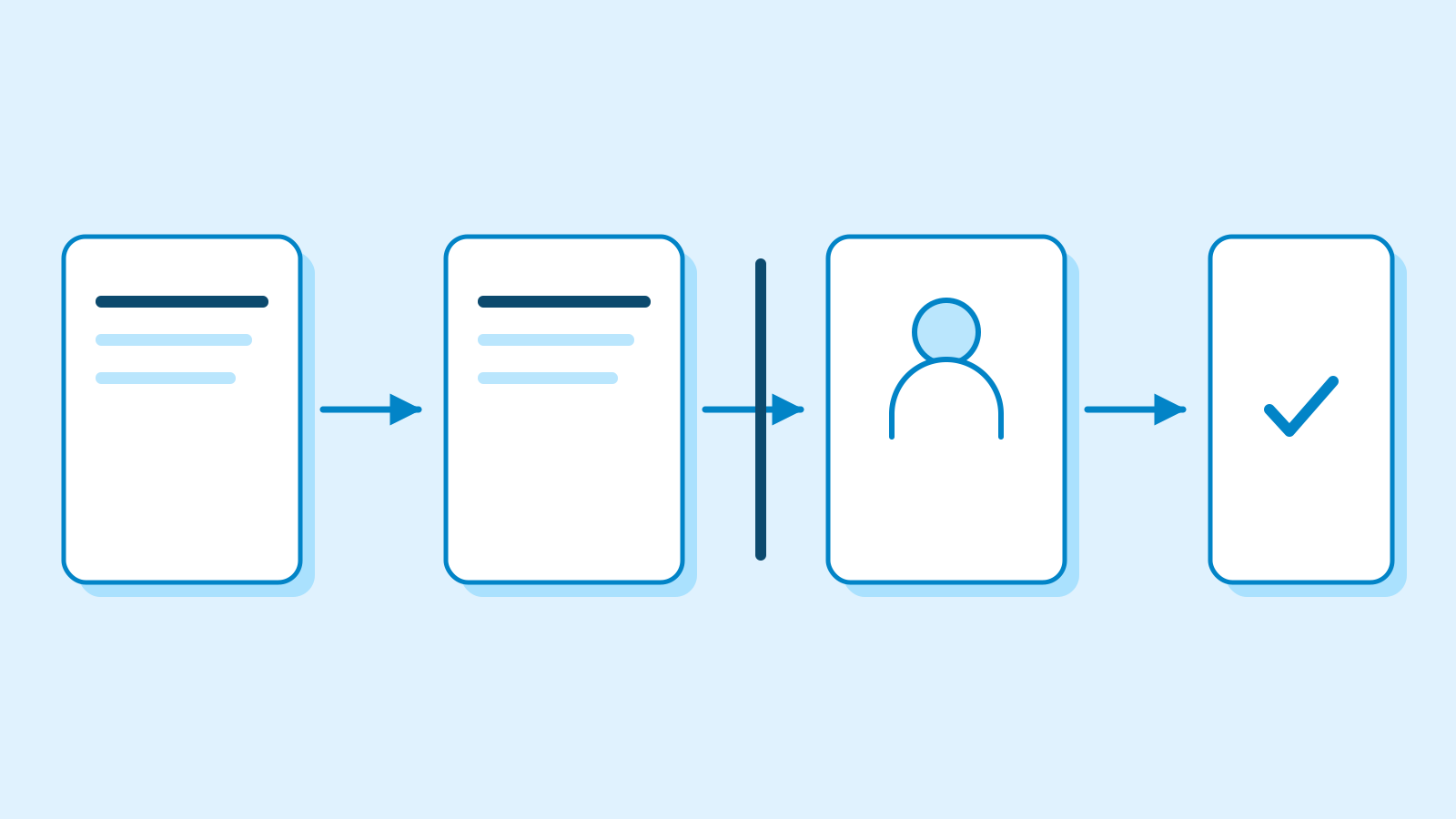
The first request contains the conversation, system instructions and tool definitions. Later requests carry newly added messages and the previous response’s identifier. The API reconstructs the conversation before passing it to the model. This reduces repeated transmission in coding sessions that accumulate file changes and tool results, as well as document- and image-heavy conversations.
Claude still reads the full conversation on each turn. Anthropic says token usage, existing prices and rate limits stay unchanged. Prompt caching is a separate mechanism for reusing computation on designated input: cache writes, cache reads and ordinary input have distinct billing treatment. The cache has a default five-minute lifetime and an additional-cost one-hour option. Choosing that longer cache leaves the thread’s separate five-minute expiry unchanged. Smaller uploads and discounted reuse concern different parts of a request.

The application retains the conversation
A server thread expires five minutes after its last request. When continuation fails, the application needs a route back to a new thread containing the full history. The official Python SDK implements continuation from the stored response identifier and a replay of the full conversation when the server cannot find that thread. It also starts a new thread from the retained history after errors indicating that a continuation was already used or remains in flight. The SDK streaming helper keeps a turn in progress until its response stream ends or closes.
The application remains responsible for its conversation record. The SDK keeps sent messages and received replies in local state and selects newly added material for the next request. An official example also forks a fictional order conversation into cancellation and waiting branches. The copied conversation starts a separate server thread with its full history; the branches then proceed independently. It is example code supplied by Anthropic, not an observed customer transaction.
The retention policy differs from an ordinary message call. Anthropic’s data-handling table says conversation contents, system instructions and tools are held in memory, encrypted with a server-managed key, without being written to durable storage. Deletion occurs within one hour of last use. The five-minute continuation window and the maximum deletion window are separate. Message threads are ineligible for zero data retention and HIPAA arrangements. Eligibility is assessed for the feature being used, separately from ordinary Messages API calls.

API integrations use a thread field and a dedicated beta header. The release notes name the header as `message-threads-2026-08-12`; the date embedded in that identifier is distinct from the November 2 public-beta announcement. The feature is a short-lived API mechanism, with the application keeping the durable conversation.
Some settings, including the model and system instructions, stay fixed within a thread. Editing earlier content or replacing it with a summary starts a new thread. Message Batches and on-demand compaction are outside the supported feature set. Public-beta access is available through the Claude API, Claude Platform on AWS, Microsoft Foundry, and Claude Models on Google Cloud managed by Anthropic.
Sources
- Make long-running agents faster with message threads — November 2, 2026 — Anthropic
- Claude Platform release notes — November 2 public beta and access — Anthropic
- Message threads — request lifecycle and feature limits — Anthropic
- Prompt caching — reuse and billing mechanisms — Anthropic
- API and data retention — message-thread eligibility and storage — Anthropic
- Thread state implementation — local history and replay — Anthropic Python SDK
- Message threads example — independent conversation branches — Anthropic Python SDK
- Thread continuation request schema — previous response identifier — Anthropic Python SDK
- Thread helper — message history access, response recording and streaming lifecycle — Anthropic Python SDK