Meta’s Muse placed 51% of AI shopping orders on Forter’s network ahead of Black Friday
Edited and reviewed by AI Ping Editorial Team
Key points
- Forter counted orders placed by agents on behalf of customers from November 18 to 24.
- Muse accounted for 48% of agent spending.
- In the November 16–22 calendar week, 80% of agent orders went through store websites.

Meta’s Muse placed 51% of AI shopping orders identified at Forter merchants from November 18 to 24. The transaction analysis firm updated its figures on November 26, ahead of Black Friday. It counted purchases an assistant submitted for a shopper, excluding recommendations alone. Black Friday on November 27 and Cyber Monday on November 30 both fall after the cutoff.
Grok followed at 22%. ChatGPT’s integrated checkout had 18% and ChatGPT Agent 3%. Instinct and Google rounded out the list. Forter distinguishes ChatGPT sending an order to the merchant’s system from ChatGPT Agent navigating its website as a shopper would.
Forter combines anonymised order records from participating retailers and refreshes the figures daily. North America accounted for 86% of agent orders in its regional breakdown for November 18–24. The results reflect that mix of merchants and regions.

Muse’s share by order count and by spending
Muse accounted for 48% of agent spending and Grok for 28%. Grok’s larger average order of $303, against $229 for Muse, lifted its share of spending. The six entries averaged $242 per order.
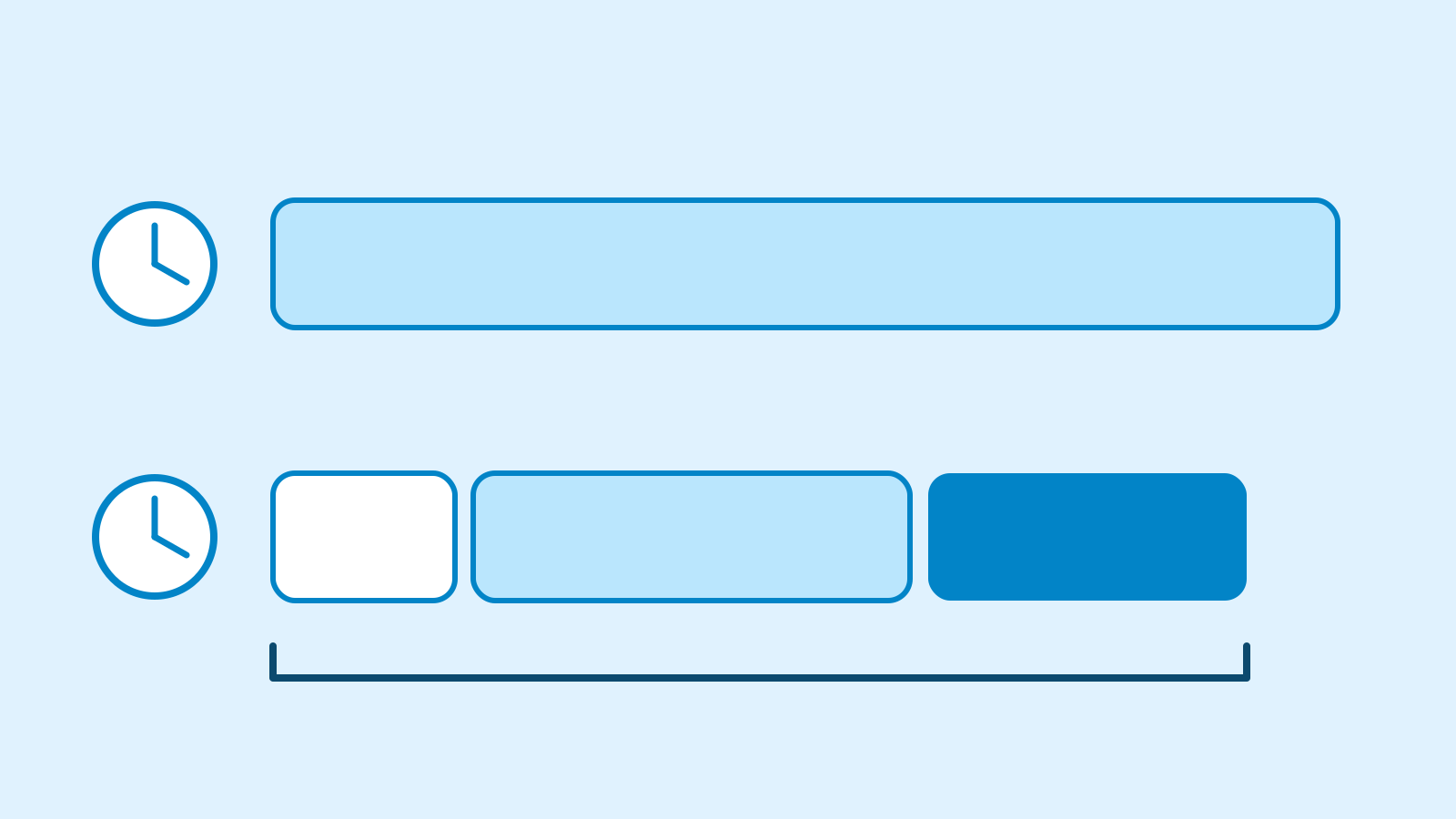
The 90 days from August 27 to November 24 include that latest week. Muse accounted for 45% of orders and 43% of spending over the longer window. Forter dates reliable detection of Muse to September 21. For Grok and Instinct it gives September 1. The longer series therefore includes changes in which agents Forter could recognise over time.
A November 23 report from the US National Retail Federation asked about the shopper, a different unit from the order. It found 49% of holiday shoppers planned to use AI for some part of their shopping. Among those who use AI for holiday shopping, 6% said they use it to make the purchase. Looking for gift ideas or deals also counted as using AI in the survey.
Store websites handled four in five agent orders
In the full calendar week of November 16 to 22, 80% of agent orders went through store websites. The remaining 20% reached merchants through commerce protocols.
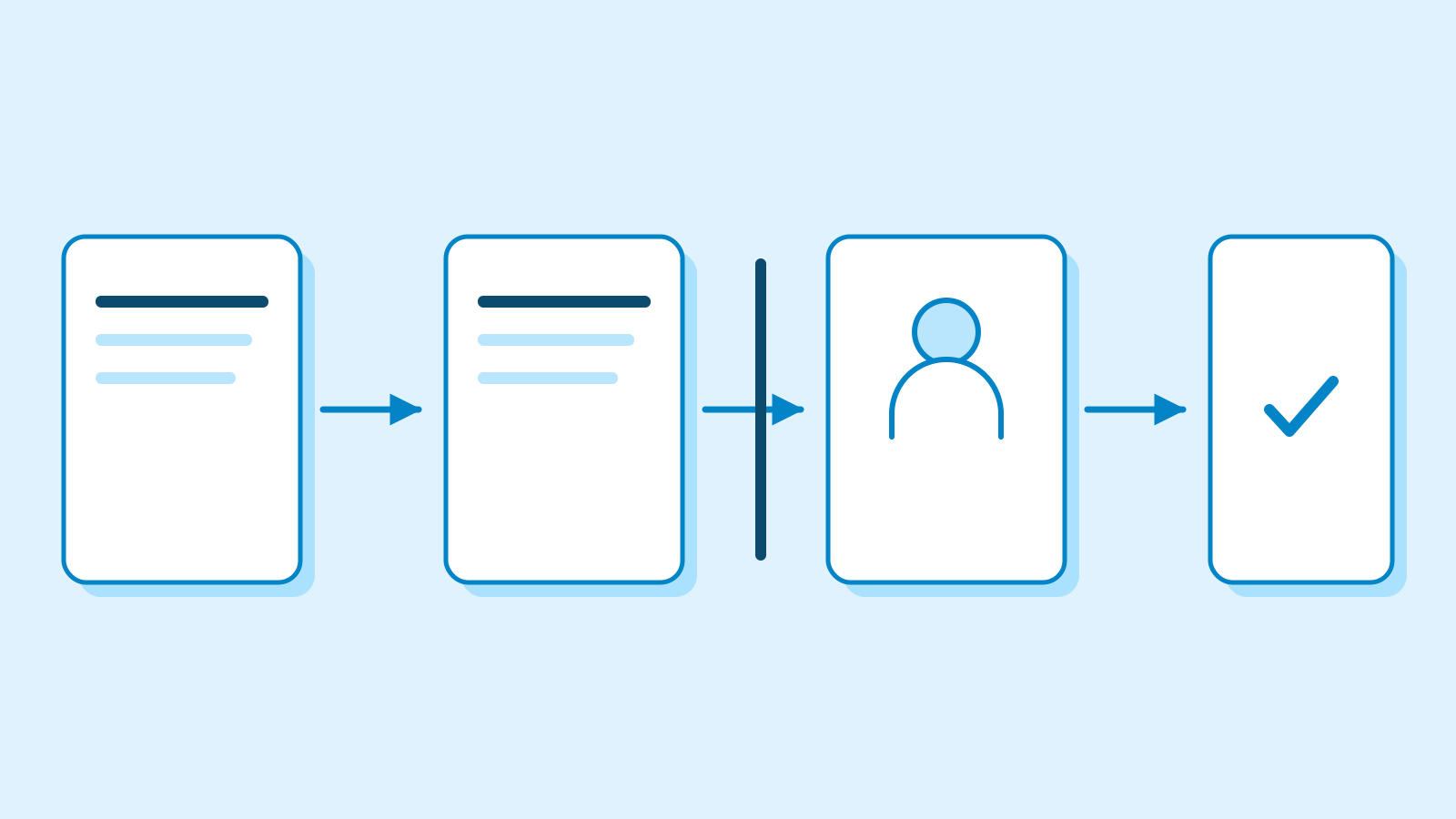
One example is the Agentic Commerce Protocol, or ACP, developed by OpenAI and Stripe. In the design OpenAI published in September 2025, shoppers confirm the order, delivery details and payment in ChatGPT. The merchant receives the information, decides whether to accept the order and processes payment. Shipping, returns and customer support stay with the merchant.
Stripe’s specification leaves retailers in control of which products an assistant can sell. A token conveys the payment credentials, with its use subject to permissions and logging. A merchant can use the same inventory and payment connection with other agents that support the protocol.

An order recorded under an agent’s name can still involve a person’s approval. Meta says Muse checks with the user before a sensitive action such as making a purchase. One payment option Meta describes, Stripe’s Link wallet, generates a one-time card number that keeps the shopper’s actual card details private. Its activity log shows actions Muse has taken and those it plans to take.
Walmart described its own Black Friday arrangement with Muse on November 24. Muse passes the shopping list to Walmart, which finds items matching the request. Customers can set a spending limit in their Walmart agent profile and see which purchases their assistant placed. Checkout uses a card saved in the Walmart account, at the same prices as Walmart.com and under the retailer’s existing return policy. Forter did not report how much any individual retailer contributed to Muse’s share.
Walmart requires approval for each agent purchase by default. A shopper can authorise purchases within a chosen limit and can delete the agent profile at any time. The store may still ask for confirmation on a purchase within that limit.
Sources
- Agentic BFCM: How AI agents shop Black Friday and Cyber Monday 2026 — Forter
- AI agent commerce data: seven-day order counts and spending — Forter
- AI agent commerce data: 90-day history and full calendar weeks — Forter
- AI agent commerce: measurement and detection dates — Forter
- Half of holiday shoppers plan to use AI this season — National Retail Federation
- Buy it in ChatGPT: Instant Checkout and the Agentic Commerce Protocol — OpenAI
- Walmart’s Black Friday Deals Continue. Meta’s Muse Can Now Shop Them, Too. — Walmart
- Introducing Muse, a personal AI agent — Meta
- Making it possible for agents to shop on behalf of customers — Walmart
- Developing an open standard for agentic commerce — Stripe