Replit Missions pairs agent swarms with budgets and review
Edited and reviewed by AI Ping Editorial Team
3-line summary
- Missions launched November 17 around agreed goals, budgets and approval boundaries.
- A separate AI reviews results; work stops at the cap even if the goal remains unmet.
- Replit released DataCat code and evidence for its two-day, $3,000 example.

Replit launched Missions on November 17, letting teams agree on an outcome, budget and approval boundaries before multiple AI agents plan, build and test toward it. The company also released self-hostable code for DataCat, an application-monitoring tool it says Missions built in two days within a $3,000 budget. Users can delegate coordinated work inside Replit without assembling their own agent-orchestration infrastructure.
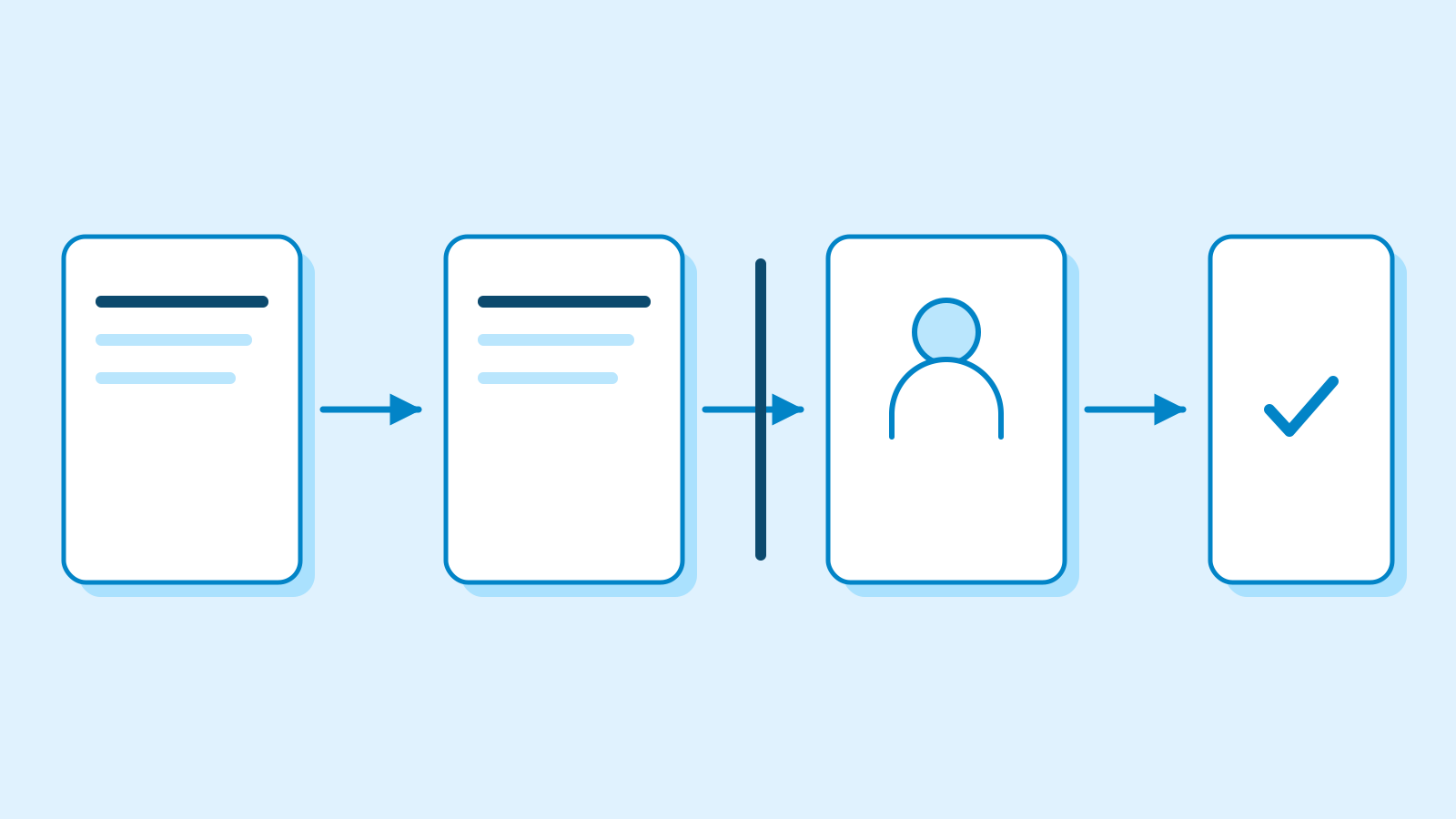
A mission agreement defines scope, spending and success criteria. A separate AI reviewer checks the execution agents' work and returns gaps for another iteration. Changes arrive as pull requests or reviewable files; actions outside agreed boundaries wait for a person, according to the product page.
Work stops if the budget runs out, even with the goal unresolved. Increasing the cap requires approval, and messages sent during an active mission count toward it. Progress views show spending, remaining funds and pending decisions.

The released example includes test evidence
Replit presents DataCat as a monitoring platform it can customize and operate itself. It combines application metrics, logs, distributed request traces, dashboards and alerts. The repository lists support for OpenTelemetry data and Datadog-compatible agent traffic, with local accounts and single-use organization invitations. Compatibility records distinguish live-agent tests, captured-payload checks and versions awaiting individual testing.
Published evidence records an alert arriving 38 seconds after an intentionally introduced database bug. All 36 data-correctness checks passed. An alert-reliability run initially passed 14 of 15 checks; after a fix, two subsequent runs passed all 15. These are results published by Replit, rather than an outside audit.
A three-hour load test sent and stored 26,056,846 spans and 4,399,585 log entries, with zero loss recorded. The evidence document places the runs on one four-vCPU virtual machine using Postgres storage. The launch post cautions that the controlled results do not establish performance against the original hosted service or Replit's production systems.
The released version runs on the operator's infrastructure, storing telemetry in PostgreSQL or ClickHouse. Account, organization, key, monitor and dashboard information remains in PostgreSQL with either choice. Choosing ClickHouse moves the destination for traces, logs and metrics. Changing storage on an existing installation starts with empty telemetry rather than migrating previously stored data, the hosting guide says.
Telemetry retention defaults to 15 days and is configurable. PostgreSQL deletes expired rows hourly; ClickHouse uses day-based expiry. Capacity requirements depend on ingestion, queries and retention. The self-hosted code can run without a Replit service account; it is a separate deliverable from assigning work to Missions.

DataCat's security policy assigns network access, encryption and collection controls to the operator. Application telemetry can contain personal information or credentials, making source redaction and retention part of deployment responsibility. Local password login has rate limiting, while built-in multifactor authentication and password-reset email are absent.
Vulnerability reports go through private security advisories or a private channel agreed with maintainers; there is currently no guaranteed response time. DataCat is released under Apache 2.0, with separate licenses for dependencies. The repository states that the project is neither affiliated with nor endorsed by Datadog, whose name identifies protocol compatibility.
Sources
- Introducing Replit Missions — November 17, 2026 — Replit
- Missions: budgets, evaluation and approval controls — Replit
- DataCat: released code, supported inputs and license — Replit
- Evidence for published results — Replit DataCat
- Self-hosting: storage and retention — Replit DataCat
- Security policy and deployment responsibilities — Replit DataCat