United restricts unauthorized AI agents from booking or changing flights
Edited and reviewed by AI Ping Editorial Team
3-line summary
- United said on November 11 it was restricting bookings by unauthorized third-party AI agents.
- AI can still help research trips when the tool stays outside United’s website and app.
- United says it will leave bookings made by agents before November 11 in place under the policy.

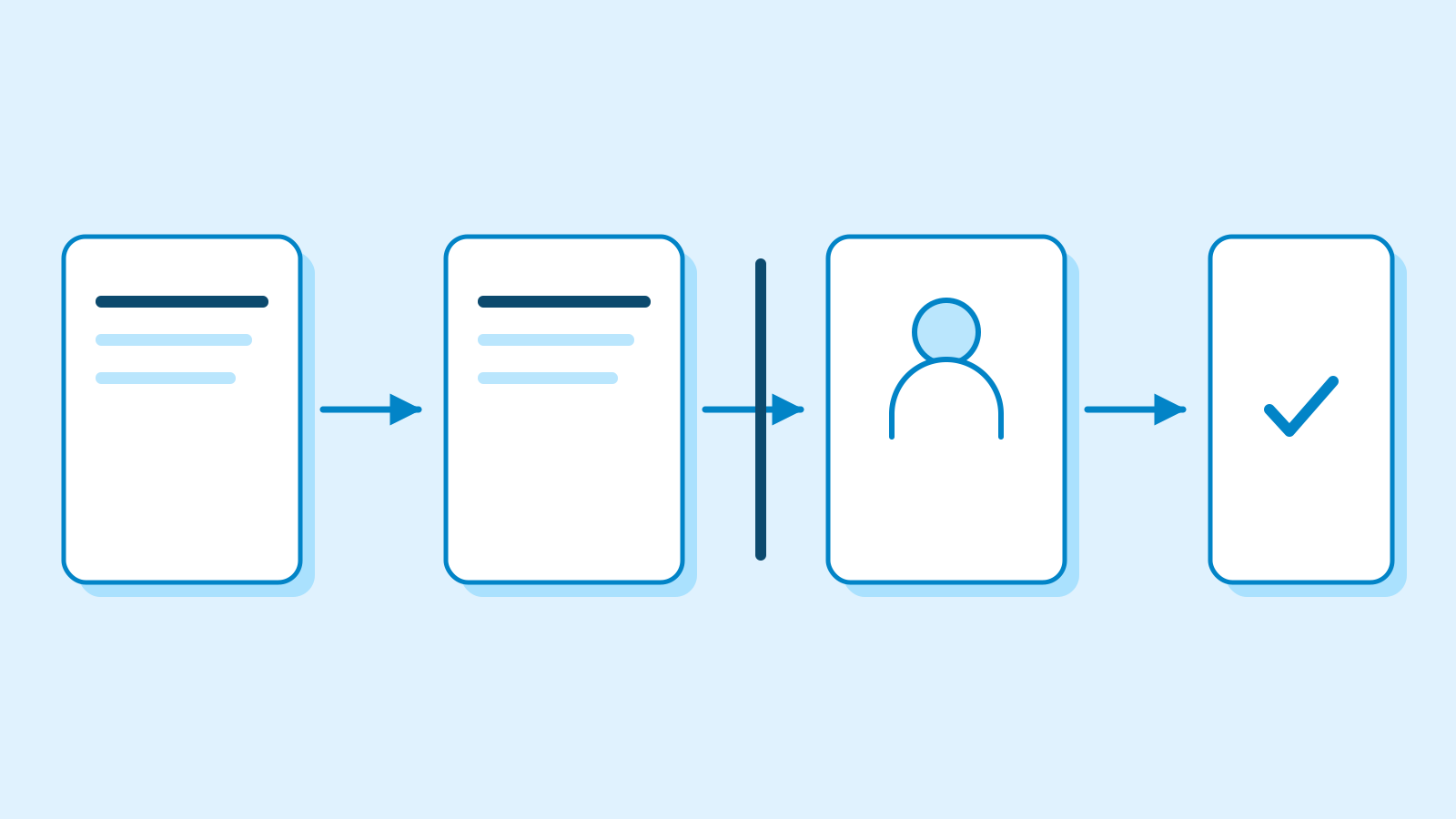
United Airlines said on November 11 that it is moving to restrict flight bookings by personal AI agents that the carrier has not authorized. The policy covers United’s website and app as well as access through travel agencies and booking platforms. In a revision dated the same day, United added using an AI agent to book or change a ticket or buy add-ons to its contract’s list of prohibited practices.
Passengers can still use AI to research a trip. United’s customer guidance draws the line at a third-party tool accessing the airline’s website or app on a customer’s behalf without United’s permission. A traveler could use an assistant to sketch out an itinerary, then search for the flights and pay through the usual channels. United’s regular booking channels remain available to passengers.
Giving an agent permission does not give it United’s approval
United’s revised contract defines an AI agent as a tool that performs all or part of a task automatically for a traveler. The definition can cover a browser with an AI feature or a tool connected through a travel agency. It applies whether the traveler supervises the tool or approves its actions. United’s FAQ separately exempts assistive technology used by customers with disabilities.
The transaction restrictions reach beyond new tickets. The contract covers ticket changes and the purchase of add-ons such as seats and upgrades. Rule 5 places reservations made, changed or serviced by an AI agent among those United may cancel without notice. The carrier says travel agencies and booking platforms also face restrictions on using outside agents for customers. An agency needs United’s permission to use third-party AI tools in its own operations for United travel.
United sets a separate cutoff for existing reservations. Its FAQ says the carrier will leave bookings made by an agent before November 11 in place under this policy and advises checking that the reservations were ticketed correctly. In its announcement, United said it was updating its booking, ticketing and distribution policies. It gave no technical rollout schedule for individual channels.

Account access and check-in raise separate concerns
United says sharing a login with an outside service can expose personal information or lead to purchases, reservation changes or redemptions of MileagePlus miles the traveler did not intend. An assistant can suggest destinations without account access. Spending miles or making a change to an existing booking involves acting on the traveler’s account or reservation. The airline cited privacy and authorization as reasons to restrict that access.
The FAQ sends travelers to United’s existing account support page if an assistant makes an unintended purchase or uses miles. That page covers unfamiliar charges and account changes and sets out how customers can check their activity and report suspected unauthorized access to Customer Care.
United also pointed to steps travelers need to handle at check-in. U.S. federal rules require air carriers to present information about prohibited hazardous materials when they issue a boarding pass. When passengers can buy a ticket or obtain a boarding pass through self-service, they must acknowledge receiving the information. United said an automated check-in could cause a traveler to miss that safety notice.

What an airline-approved connection can do
Airlines can decide how far an official AI connection goes. Southwest Airlines launched a ChatGPT plugin for finding its flights on October 6. A traveler can describe a trip in ChatGPT and see options there, then continue to Southwest’s booking page for the purchase. Southwest’s help page says fares can change before ticketing and that the information displayed on its own site governs the booking.
United says it wants a standard way to protect customer data, authorize access and establish accountability before it connects outside agents to accounts and bookings. Its customer guidance says United currently has no partnerships with third-party personal AI agents. The airline says it will update that page if it begins working with any of them.
Sources
- United’s November 11 announcement on third-party AI agents — United Airlines Newsroom
- Contract of Carriage, revised November 11, 2026 — United Airlines
- Customer FAQ on third-party AI agents — United Airlines Digital Trust Center
- Help for suspected unauthorized account activity — United Airlines MileagePlus
- 49 CFR §175.25 on passenger safety notices — Electronic Code of Federal Regulations
- October 6 launch of the Southwest ChatGPT plugin — Southwest Airlines
- Southwest’s ChatGPT plugin and booking handoff — Southwest Airlines Help Center