Claude links US bank accounts for spending analysis, with read-only access
Edited and reviewed by AI Ping Editorial Team
3-line summary
- The Personal Finance beta was announced November 5 for US Pro, Max and Ultra subscribers.
- Plaid provides read-only access; money cannot be moved or invested.
- Hub training exclusions, disconnection and record deletion have distinct scopes.

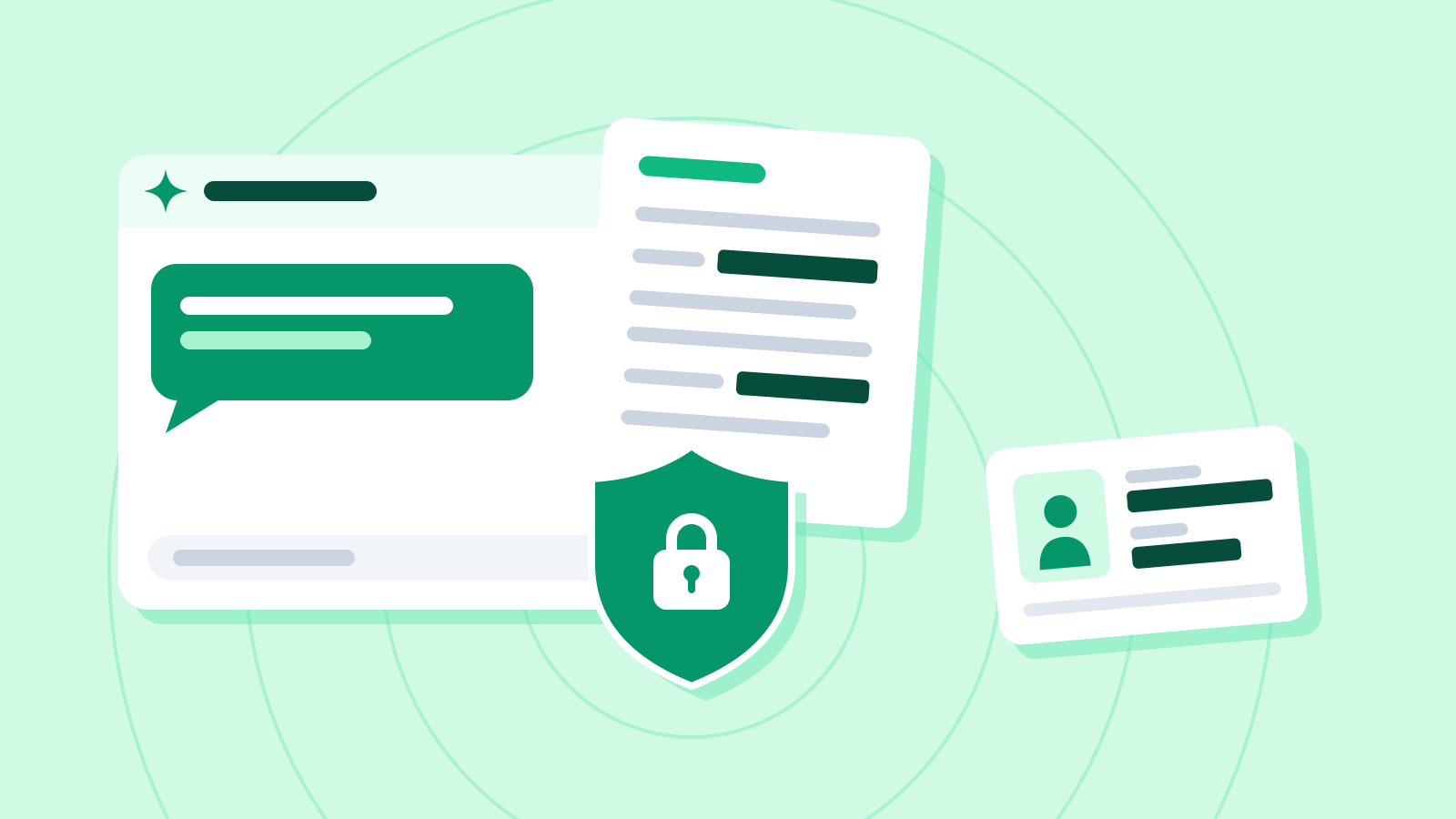
Anthropic announced Personal Finance in Claude on November 5, letting users connect financial accounts and ask questions grounded in their balances and spending. The beta is rolling out gradually to Pro, Max and Ultra subscribers in the United States. Access is read-only: the feature cannot move, manage or invest money.
Plaid provides the account connections. The company says it authenticates a user's financial accounts, shares the information needed for the experience, organizes raw transaction data and refreshes it when necessary.
Credentials mean the financial account username and password. Plaid's general authentication guidance distinguishes bank connections using a security identifier from those in which Plaid receives and stores login credentials to retrieve data. In the former, users authenticate with the financial institution and Plaid uses the identifier for later updates. Plaid says stored credentials are protected with encryption protocols. Plaid says it never shares credentials with the connected app in either case. This describes its general connection methods; the Claude announcement gives no bank-by-bank implementation list.
Anthropic lists the chosen accounts' names, types, last four number digits, balances, credit limits and up to two years of transactions as accessible data.
The help page notes that a full account number may be visible if a bank puts it in an account name or transaction description. Balances can lag by a day or two, and linking an account through different logins can count it twice.
Published use cases include tracking spending across accounts, finding unexpected fees, planning debt repayment and understanding the cost of an annual percentage rate. These are examples supplied by the companies.

Where the privacy and disconnection rules apply
Anthropic says conversations within the Personal Finance hub are excluded from its model training. Information shared with Claude outside that hub follows the user's privacy settings.
Plaid applies its own End User Privacy Policy. It says the data collected, used and shared depends on the Plaid services and connected app involved. That policy describes Plaid's practices and explicitly excludes what app developers do with the data.
Unlinking a bank stops Claude from reading its accounts. The help page says information already in chats, generated artifacts or shared links remains until the user removes it. Disconnecting access and clearing earlier records are separate operations.

Anthropic's general consumer retention guidance says deleting a conversation removes it from chat history immediately and from backend storage within 30 days. That guidance is dated July 1. Its general rule is to retain personal data as long as reasonably necessary under the purposes and criteria in its privacy policy. It allows retention for legal requirements, disputes and enforcement against policy violations. The same general guidance permits longer retention of anonymized or de-identified information for research or statistics.
Plaid says its systems are designed to delete personal data automatically when an app developer removes a connection, with exceptions. These include another active app connection, providing a requested service, legal obligations and fraud prevention. Its US Plaid Portal lets people review connected accounts, apps and data types, terminate connections and manage deletion of associated data.
Plaid's general deletion guidance says Portal may not manage certain newer, faster connection experiences, pointing instead to its privacy request form or email. The form accepts deletion requests regardless of residence. Plaid says sensitive supporting connection identifiers are automatically encrypted and sent to its dedicated support team. Some information may remain after completion where permitted or required by law.
Sources
- Introducing Personal Finance in Claude — November 5, 2026 — Anthropic
- Use Personal Finance in Claude — availability, account scope and unlinking — Anthropic Help
- Plaid Powers Financial Insights In Claude — November 5, 2026 — Plaid
- How long do you store my data? — July 1, 2026 general consumer guidance — Anthropic Privacy Center
- End User Privacy Policy — data practices, retention and controls — Plaid
- Does Plaid have access to my credentials? — general connection methods — Plaid Consumer Help
- Can I remove app access or delete my data from Plaid? — requests and control limits — Plaid Consumer Help