Soniox STT v6 filters the voice agent’s own speech
Edited and reviewed by AI Ping Editorial Team
3-line summary
- Agent text provides context and helps filter playback echo.
- The streaming feature works alongside acoustic echo cancellation.
- After v5 retires on December 15, its requests will route to v6.

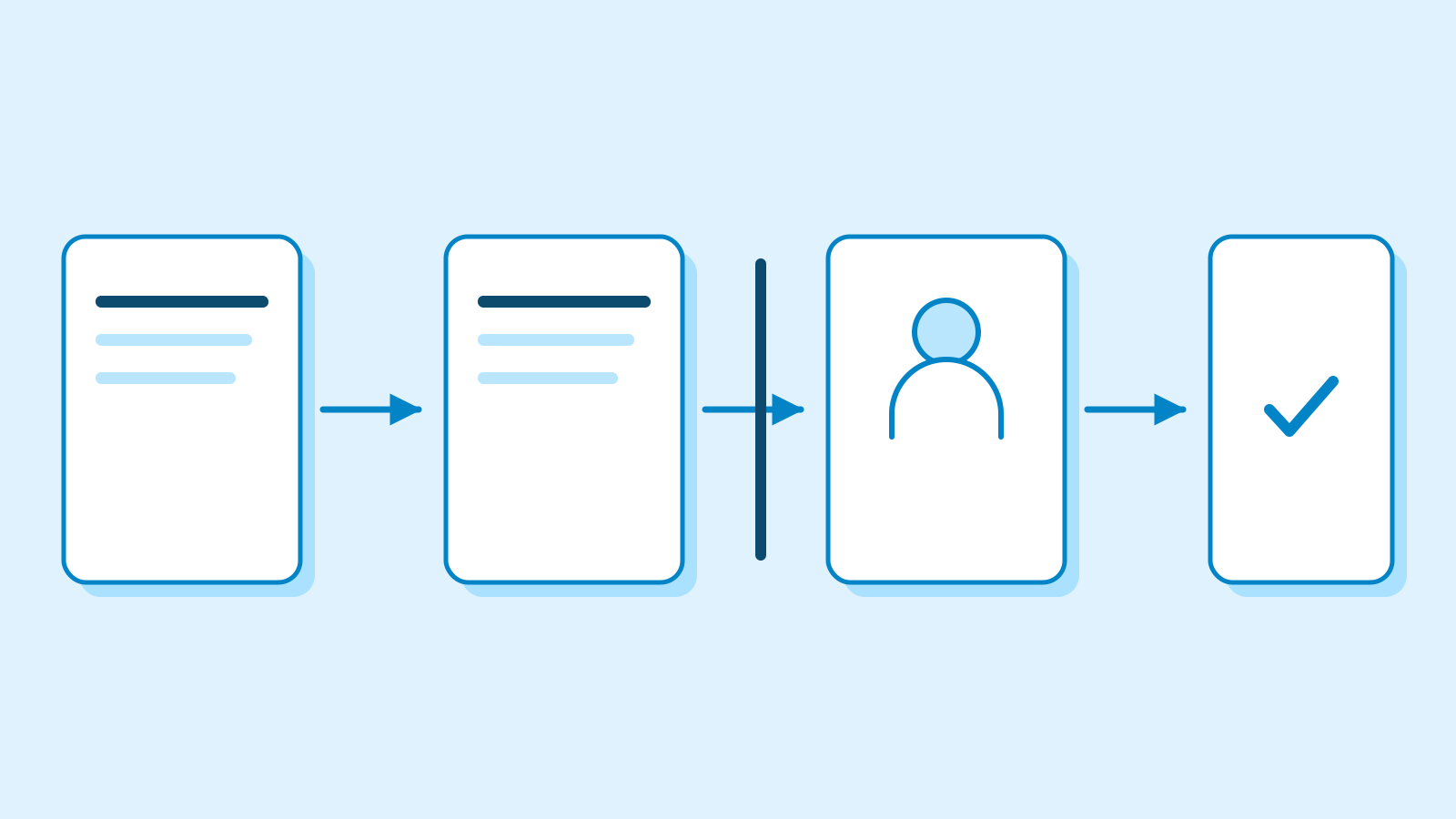
Soniox released STT v6 on November 3, adding speech recognition that receives the voice agent’s own words as text and filters its playback out of microphone audio. The change targets assistants that mistake their own speech for a caller and interrupt themselves or answer their own words. Soniox says the model keeps listening when the caller interrupts.
The release includes streaming and recording models; the new agent features apply to streaming. Soniox schedules v5’s removal for December 15, after which requests naming v5 will automatically route to v6. Existing services will consequently encounter the new version’s output formatting too.
Soniox claims improvements to dictation, meeting transcription and speaker separation across more than 60 languages. The supported-language list includes Korean, with transcription and translation between supported languages available through streaming and file APIs. Its public benchmark page, however, reports August results for v5. Those figures do not establish v6’s accuracy or latency. This report examined documentation without running a performance test.
Agent text follows actual playback
Passing the assistant’s question to speech recognition provides context for short replies containing names or choices. The integration guide places small text chunks on the same connection as caller audio, approximately 500 milliseconds to one second before the corresponding playback. Transmission follows the listener’s playback position.
When a caller interrupts playback, the application sends any already-played text still outstanding, closes the turn and discards the unplayed remainder. Existing acoustic echo cancellation stays enabled: the new filtering handles residual agent audio. The resulting transcript contains the user’s speech.
Session-wide background information serves another purpose. Supplied once at the start, it can describe the business, names, vocabulary, reference documents or FAQs, and preferred translations. The context guide says listed terms are favored when they fit the sentence. This background can also help with speech before the agent’s first question. Context is limited to 8,000 tokens, approximately 10,000 characters; oversized requests return an error. Korean names should be supplied in Hangul.

Dictation formatting changes in v6. Spoken amounts retain currency words, such as “15 dollars and 20 cents,” and identifiers acquire hyphens only when spoken. Punctuation or editing commands, including “period” and “new line,” return as words for the application to apply.
The service’s separate endpoint setting determines when an utterance finishes. The documentation describes using intonation, speech patterns and conversational context alongside pauses. Detection finalizes preceding text and emits an end signal that can trigger the assistant’s next response or a command.
Earlier finalization brings a tradeoff: it reduces waiting time but leaves less opportunity to revise words, potentially lowering recognition accuracy slightly. The guide also explicitly warns that endpoint detection reduces speaker-diarization accuracy by forcing text to become final sooner.

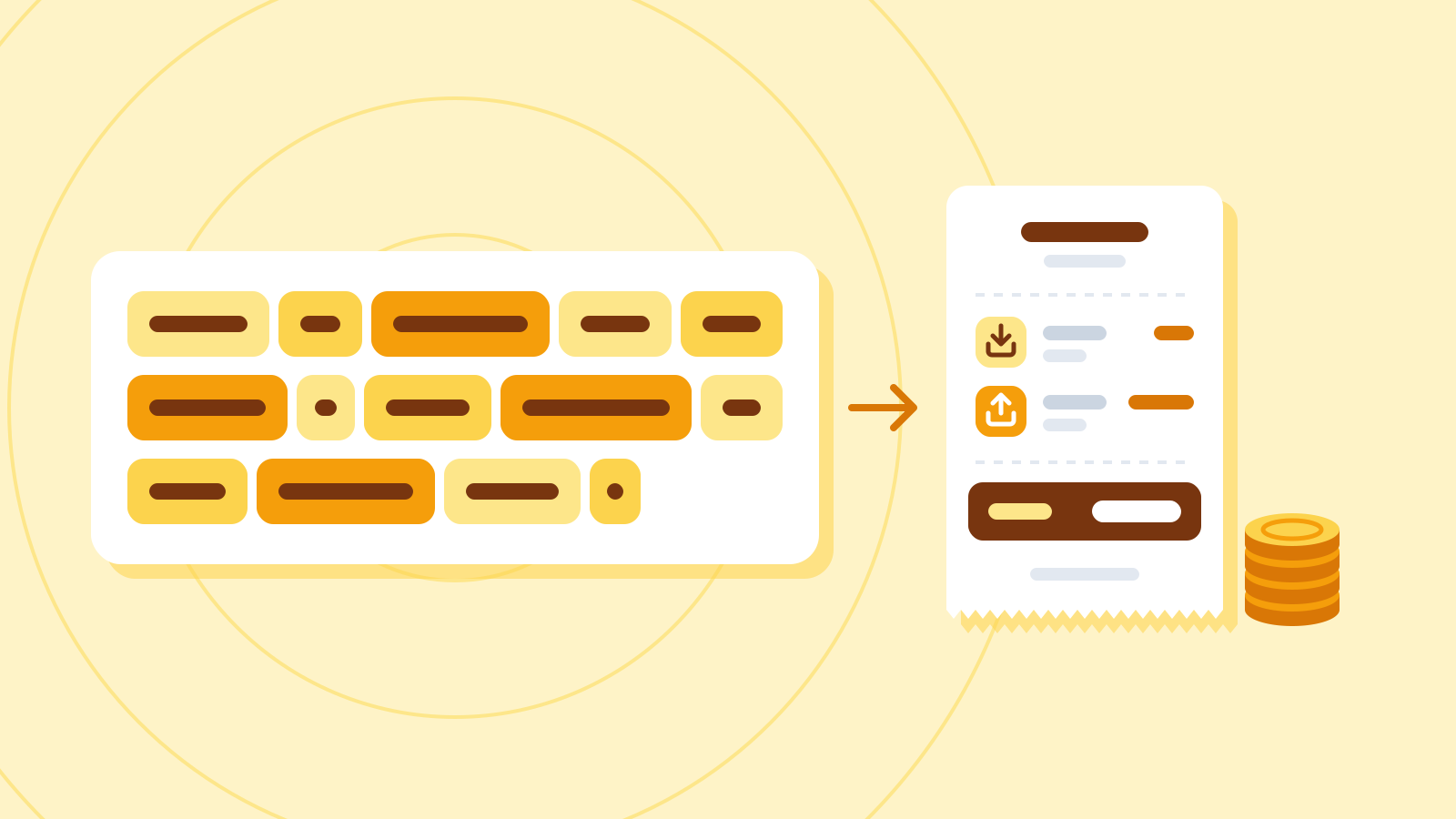
Pricing lists approximate equivalents of $0.12 per hour for streaming and $0.10 for recordings, with actual charges calculated by tokens. Per million tokens, streaming audio input costs $2, text input $4 and text output $4. The corresponding recording rates are $1.50, $3.50 and $3.50.
Soniox’s usage reference equates one audio hour to roughly 30,000 input audio tokens and one speech hour to about 15,000 output text tokens. Additional text affects the bill. Agent utterances use the input-text rate, and only text reaching the model is charged.
Sources
- Introducing Soniox STT v6 — November 3, 2026 — Soniox
- Models, formatting changes and December 15 migration — Soniox Docs
- Speech-to-text benchmarks — August 2026, v5 — Soniox
- Agent text input: playback timing, interruption and billing — Soniox Docs
- Context: session background, names and translation terms — Soniox Docs
- Endpoint detection: finalization and accuracy tradeoffs — Soniox Docs
- Speech-to-Text API token pricing — Soniox
- Supported languages — Korean and translation availability — Soniox Docs