Custom GPT creation ends for affected Enterprise workspaces
3-line summary
- The October 26 Enterprise creation cutoff excludes FedRAMP workspaces.
- Migration uses published content; custom actions and sharing need separate setup.
- Standard retirement is December 11; qualifying deferred workspaces have a February date.

OpenAI ended new custom GPT creation on October 26 for affected ChatGPT Enterprise workspaces, excluding FedRAMP workspaces. Existing GPTs remain usable until their applicable retirement date, and creators can still edit those that have yet to migrate. The standard retirement date is December 11, 2026.
Personal Free, Go, Plus and Pro accounts also currently lack new GPT creation and publishing, according to the company's documentation. Existing GPT use and editing remain subject to plan and permission requirements. The document gives no common October 26 start date for those personal restrictions. Managed accounts, including Business and Edu, follow their workspace notice.
Reusable workflows are moving into plugins. OpenAI describes a plugin as a package that can combine skills containing task instructions with apps connecting external services. A package containing only skills can work without an external account connection; app-backed workflows require the relevant service's authorization.
The directory is available across ChatGPT plans, while individual capabilities depend on plan, region, role and workspace settings. Installed plugins can be selected automatically for relevant requests or invoked directly by name. Plugins containing local apps run on desktop. Saving one to an account does not make its local tools available on web or mobile.
Instructions move; custom integrations need rebuilding
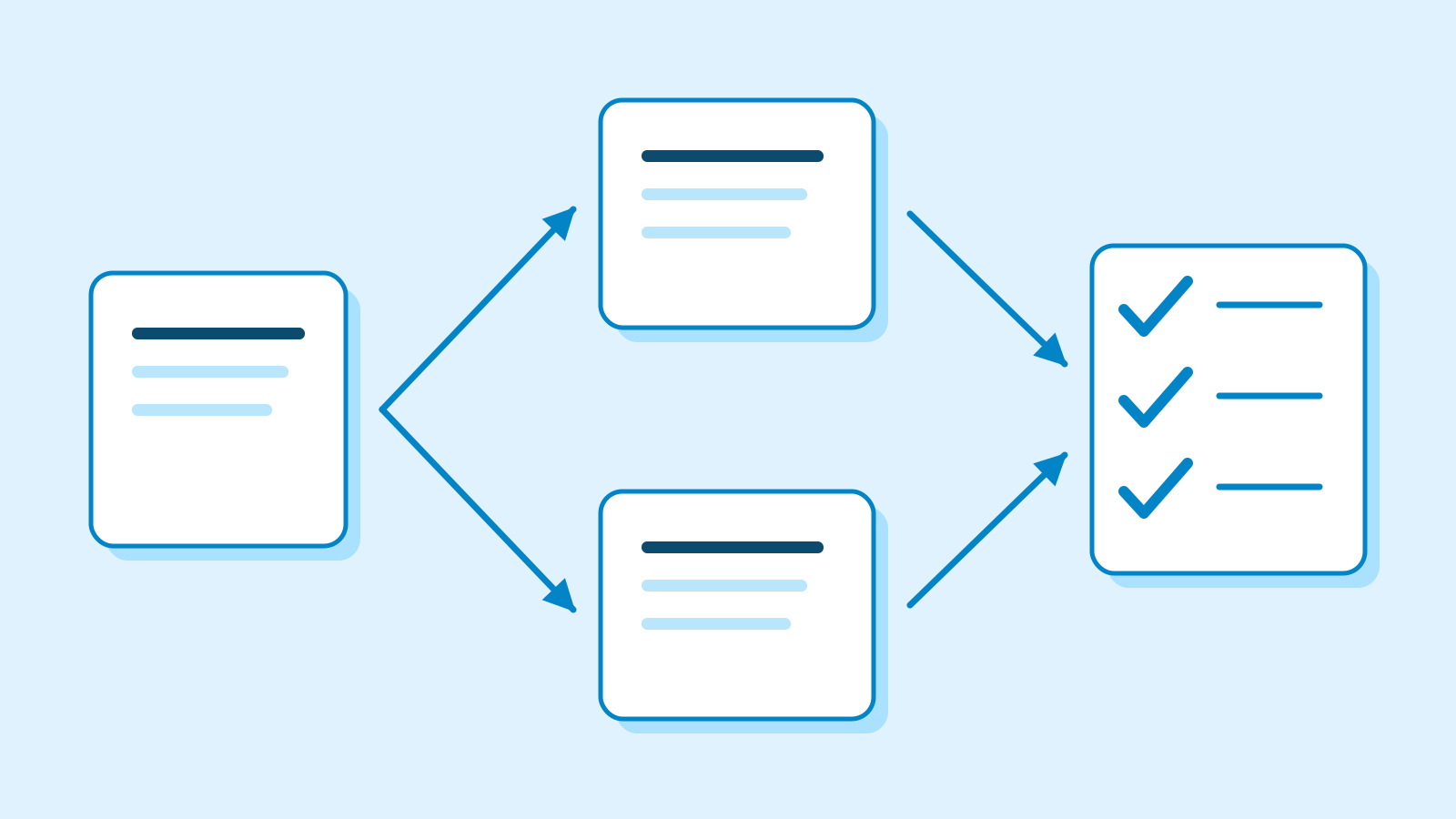
The migration FAQ says GPT instructions become a skill, knowledge files become reference files, and connected apps join the plugin. The selected model is left behind; Enterprise defaults apply there. Custom actions connecting external APIs require replacement integrations before those functions work.
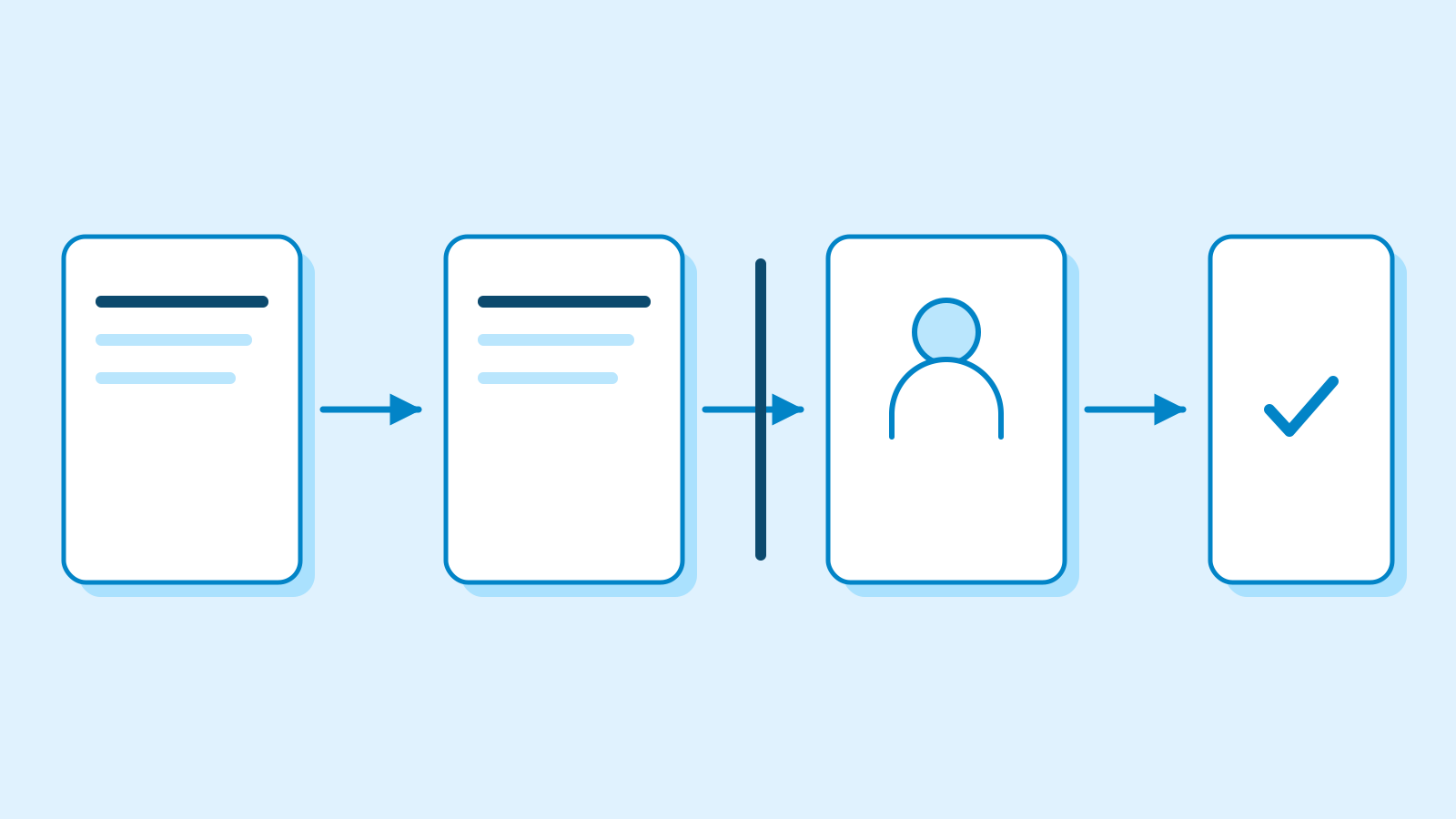
Migration takes the latest published version, leaving drafts and unpublished edits behind. The GPT editor distinguishes updating existing work from creating a new GPT, and publishing does not require public sharing. Once migrated, the original becomes read-only, with further changes maintained in the replacement plugin.
Sharing also needs attention after the content moves. California State University, Northridge explained in an October 20 campus notice that plugins start private and sharing settings must be reset. Its guidance allows sharing with specific people or through a campus-access link. Recipients must install the plugin before using it.
OpenAI's administrator documentation treats plugin installation and underlying app access as separate controls. Enterprise and Edu evaluate role permissions independently, so a member with an installed plugin can still lack access to an included app. Connected-service permissions and action approvals continue to govern the work it can perform. In Business, apps are enabled by default and administrators can change their workspace-wide availability.

Disabling one app need not remove an entire plugin. The administrator guidance says capabilities depending on that app are blocked, while skills without that dependency may remain. Preserving instructions and reference material therefore leaves a separate question about which connected operations each member can perform.
California State University, Bakersfield says its approved CSU transition extension sets retirement for February 11, 2027. OpenAI's current FAQ assigns that later date to FedRAMP and qualifying workspaces with approved deferrals, rather than every account. A retirement deferral alone preserves no new-creation eligibility. Existing conversations remain accessible after retirement; the applicable timetable follows the account or workspace where the GPT was created.
Sources
- Creating and editing GPTs — OpenAI
- Custom GPT retirement and migration FAQ — OpenAI
- Plugins in ChatGPT — OpenAI
- Admin controls, security, and compliance for plugins and apps — OpenAI
- Custom GPTs Are Moving to Plugins: What You Need to Know — California State University, Northridge
- ChatGPT Edu FAQ — Custom GPT transition — California State University, Bakersfield