CapCut plans ChatGPT video drafts with conversational editing
3-line summary
- CapCut outlined a ChatGPT video-drafting and editing workflow for the coming months.
- Its current product guide describes a PC connection and editable timelines.
- A provenance preview checks supported signals.

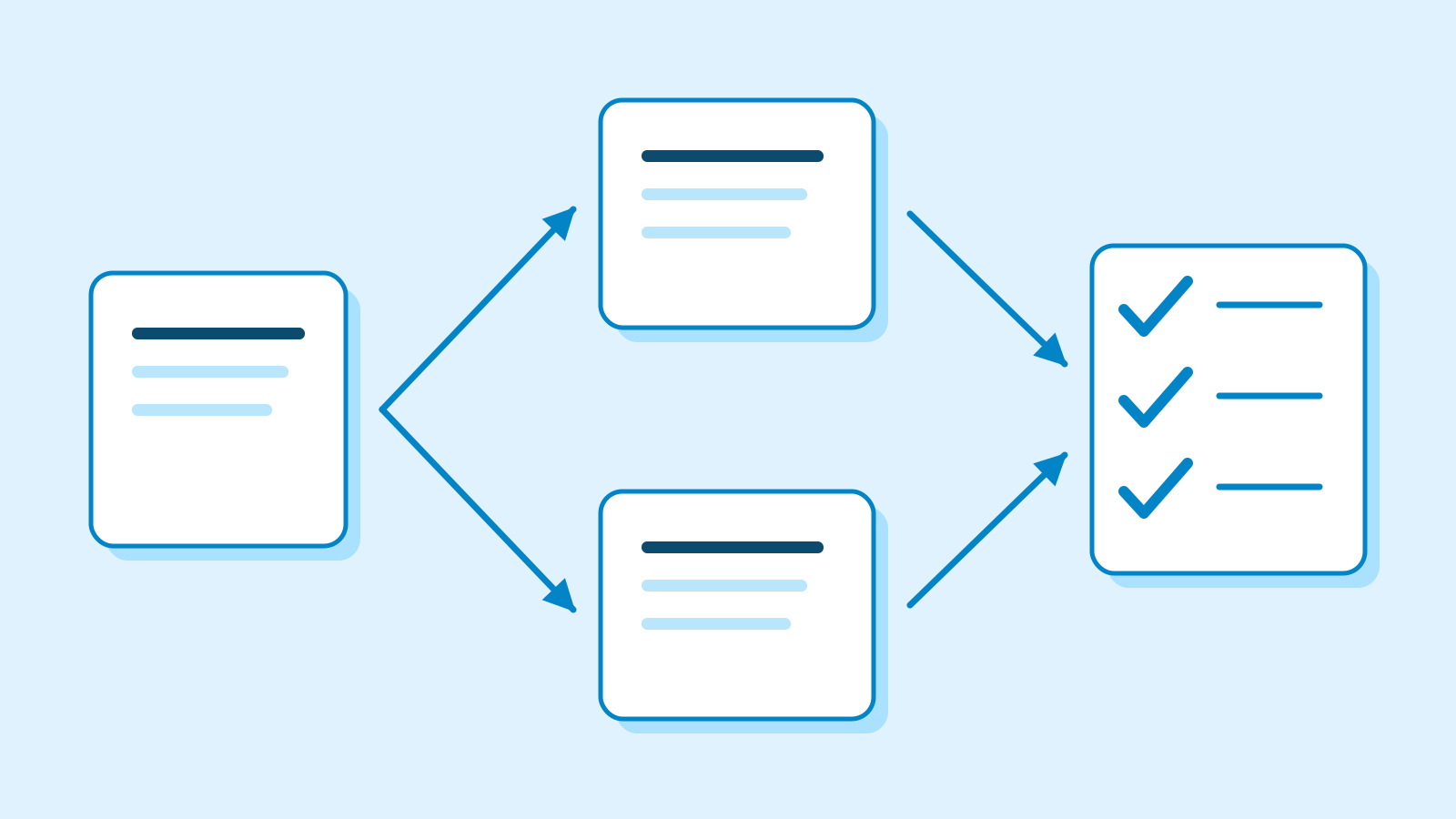
CapCut plans a ChatGPT plugin for creating a first video cut and refining it through conversation. Its October 26 CapCut World LA recap puts availability in the coming months. Creators would direct shot length, captions and music from an idea.
Examples include holding a shot longer, improving caption readability and keeping music underneath a voiceover. Creators could also edit by hand, then resume the conversation with that change understood. The announced workflow connects drafting with human control over the resulting project.
The current CapCut × Codex product guide likewise centers an editable project. It describes generating material or uploading a draft, then changing sequence, duration, text and audio through chat. Opening the CapCut editor gives users direct control over tracks.
That guide specifies the ChatGPT desktop app on PC and says availability can vary by app version, account and region. It advertises a free starting experience. The event’s rollout plans and the documented connection have different scopes.

CapCut’s existing AI trust policy covers both the creation experience and disclosure. It says users are informed when using AI features and describes labels or watermarks for generated or AI-assisted content. These commitments concern how the software communicates AI involvement during production and on the output.
The policy describes assessments before release, monitoring afterward and moderation combining human expertise with automated systems. Models may use publicly available, proprietary and synthetic datasets. These are the company’s development and operating commitments, rather than measured evidence of this plugin’s accuracy or the quality of a finished video.
A preview tool checks production signals
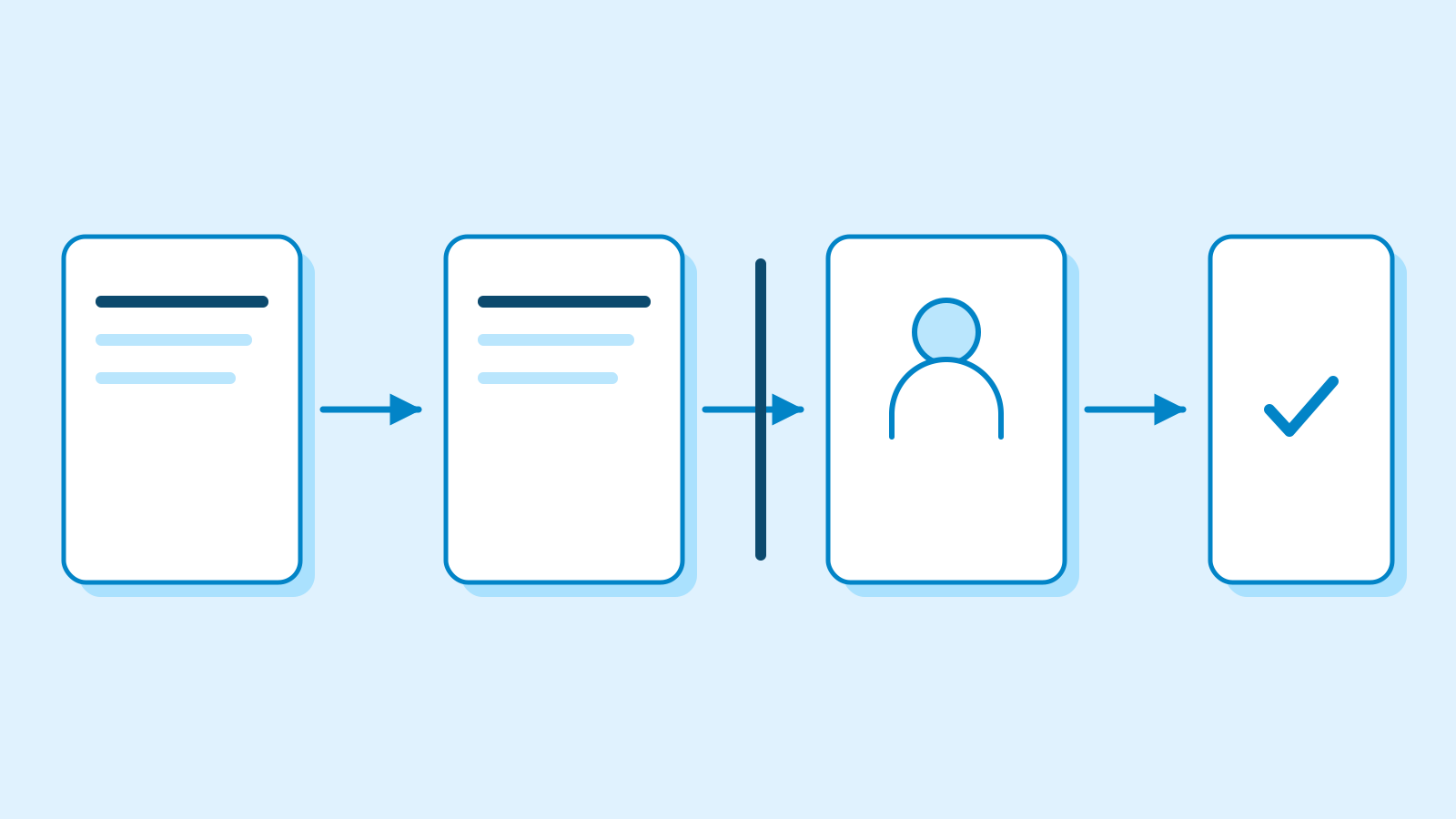
The provenance preview looks for C2PA Content Credentials and invisible watermarks added by TikTok, CapCut, Dreamina, Pippit or Hypic in images, video and audio. Intact signals can identify the tool used; an absent signal does not establish that a file was made without AI. Uploads accept one file, capped at 20 MB for images and 100 MB for video or audio.
Content Credentials record provenance: how an asset was created and changed. C2PA’s FAQ describes digitally signed records that can include tools, processes and modification history. Where metadata becomes separated, watermarking or fingerprinting can help rediscover the associated credential.
Credentials bind the asset and provenance using hashes. Verifying the full history of incorporated ingredients requires access to their data as well. The standard conveys history without restricting use of the file.

Its dedicated privacy notice says files are deleted after results and never used for training. IP addresses and limited access or error logs may be collected for security and debugging.
Creating and uploading material in the main CapCut service falls under its existing privacy policy, updated April 15. It covers media, AI prompts, generated responses and metadata. Content may be pre-uploaded for features such as captions before a user saves or publishes it. Listed purposes include improving services and training or testing machine-learning models and algorithms.
It lists storage servers in Malaysia, Singapore and the United States. Retention varies by purpose and data type; cloud-space uploads can be deleted on request. Relevant jurisdiction-specific terms take precedence when they conflict with the main policy.
Sources
- CapCut World Los Angeles — October 26 announcements — CapCut
- CapCut × Codex — current product guide — CapCut
- Using AI responsibly — existing trust policy — CapCut
- Identify AI-Generated Content — preview, FAQ and privacy notice — CapCut / TikTok
- Privacy Policy — updated April 15, 2026 — CapCut
- FAQ — Content Credentials and detached metadata — C2PA
Corrections
- Removed a duplicate period and split long technical and privacy paragraphs for readability, retaining the article identity, original publication time and factual content.