Microsoft's StudentSim uses simulated students to improve AI tutors
3-line summary
- Microsoft researchers introduced StudentSim, AI simulators that imitate individual real students.
- The goal is to test how students would react to and revise after a tutor's guidance, so AI tutors can be improved faster.
- In a chess-tutor experiment, the tutor trained with StudentSim rated highest, and the paper and code are public.
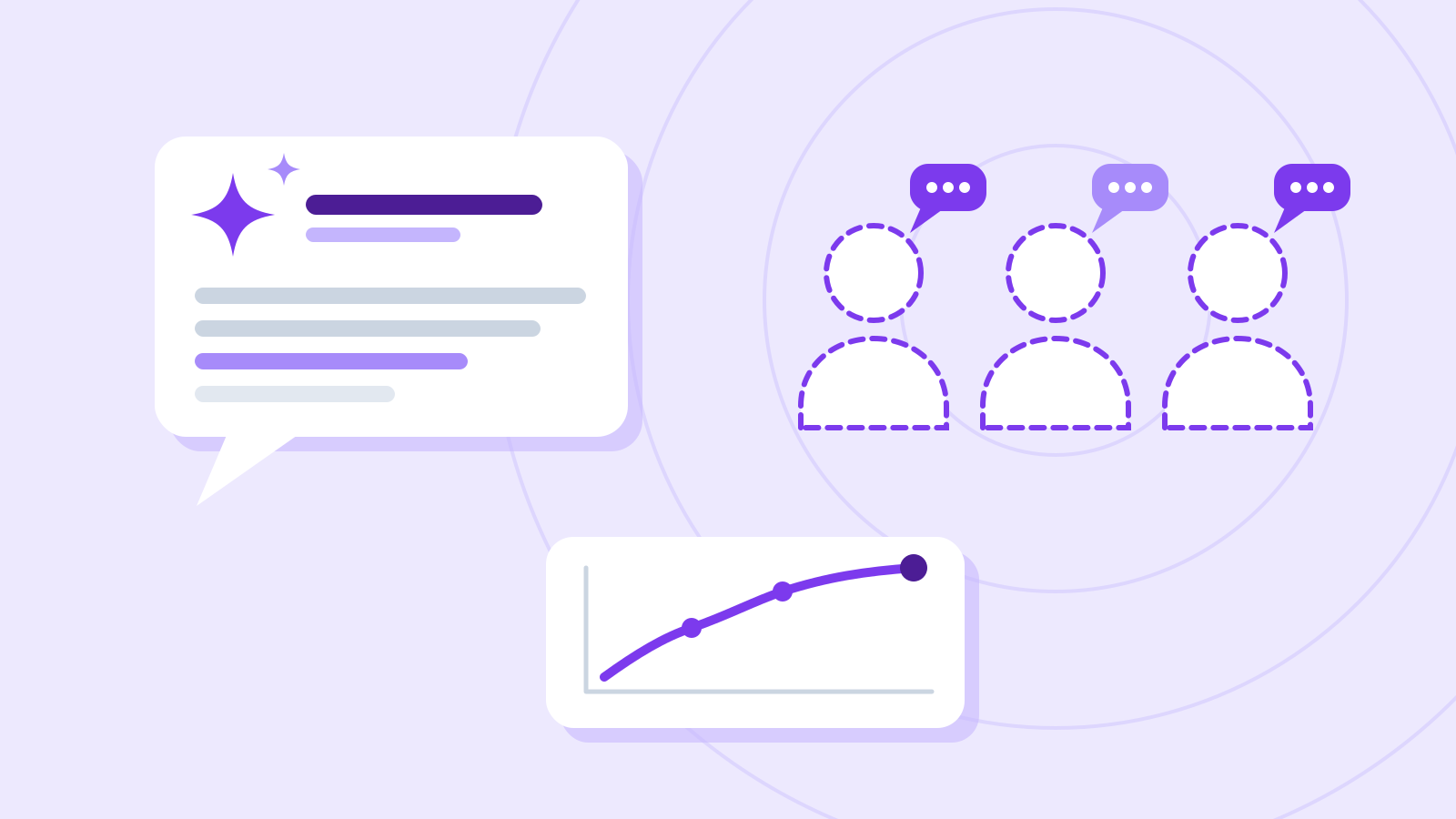
Microsoft Research introduced StudentSim on October 12, a research system for evaluating and improving AI tutors. Tutors need feedback from students to get better, but studies with real learners are slow and costly. StudentSim builds a simulator for each student that models how they answer questions and how their answers change after a tutor's guidance.
Simply asking an LLM to "answer like an elementary-school student who struggles with math" can produce the right tone but far more ability than the student has, making a tutor look more effective than it is. So the team evaluates simulators on two things: how closely they match a specific student's real answers, and whether they update after reading the tutor's guidance.
Training used only publicly released, de-identified learner records. Simulators first learn shared patterns from many students, then adapt to one student's records, and they beat strong baselines in chess, second-language English writing and math. In a chess-tutor reinforcement-learning experiment, the tutor trained with StudentSim as the student reached 90.5% accuracy in blind expert ratings, compared with 75.7% for a tutor without reinforcement learning and 71.6% for one trained with GPT-5.4 playing the student.
The researchers stress that StudentSim is not a product, is not used in classrooms and is not meant to replace teachers. Real learning outcomes and safety still have to be measured with real students; the simulators are a tool for the earlier stages of development. The paper and the training and evaluation code are public.
Why it matters
An AI tutor should be judged by whether students actually learn, not by whether it states the right answer. If simulating student reactions takes hold, educational AI could be refined faster and more safely.
Who it's for
- Developers
- The warning that role-play alone makes simulated users smarter than real ones applies to AI testing well beyond education. The code and the StudentSimEval protocol are public.
- Beginners
- The research rests on the idea that good tutors help you fix mistakes with hints rather than handing over answers — worth trying when you study with AI too.
Sources
- Simulating student learning for better AI tutoring — Microsoft Research