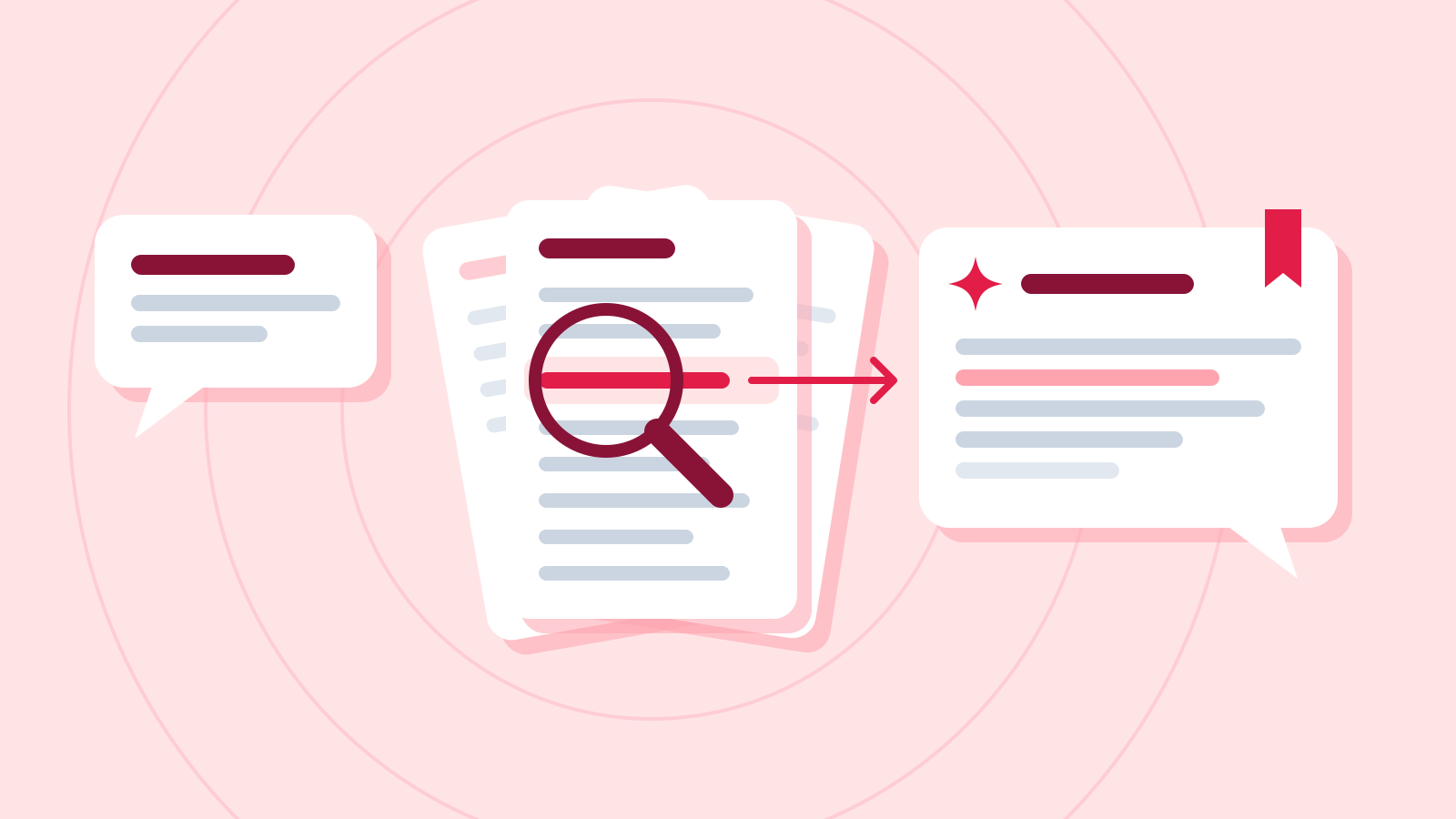
Google DeepMind and Singapore build an on-device AI that flags scam conversations
3-line summary
- Google DeepMind and Singapore's Government Technology Agency built an AI model that spots scam conversations on the phone itself.
- They fine-tuned Google's lightweight Gemma model on local scam conversations; chats never leave the device, so neither the government nor Google can see them.
- It will be rolled out in apps in phases and will analyze conversations only with the user's consent.
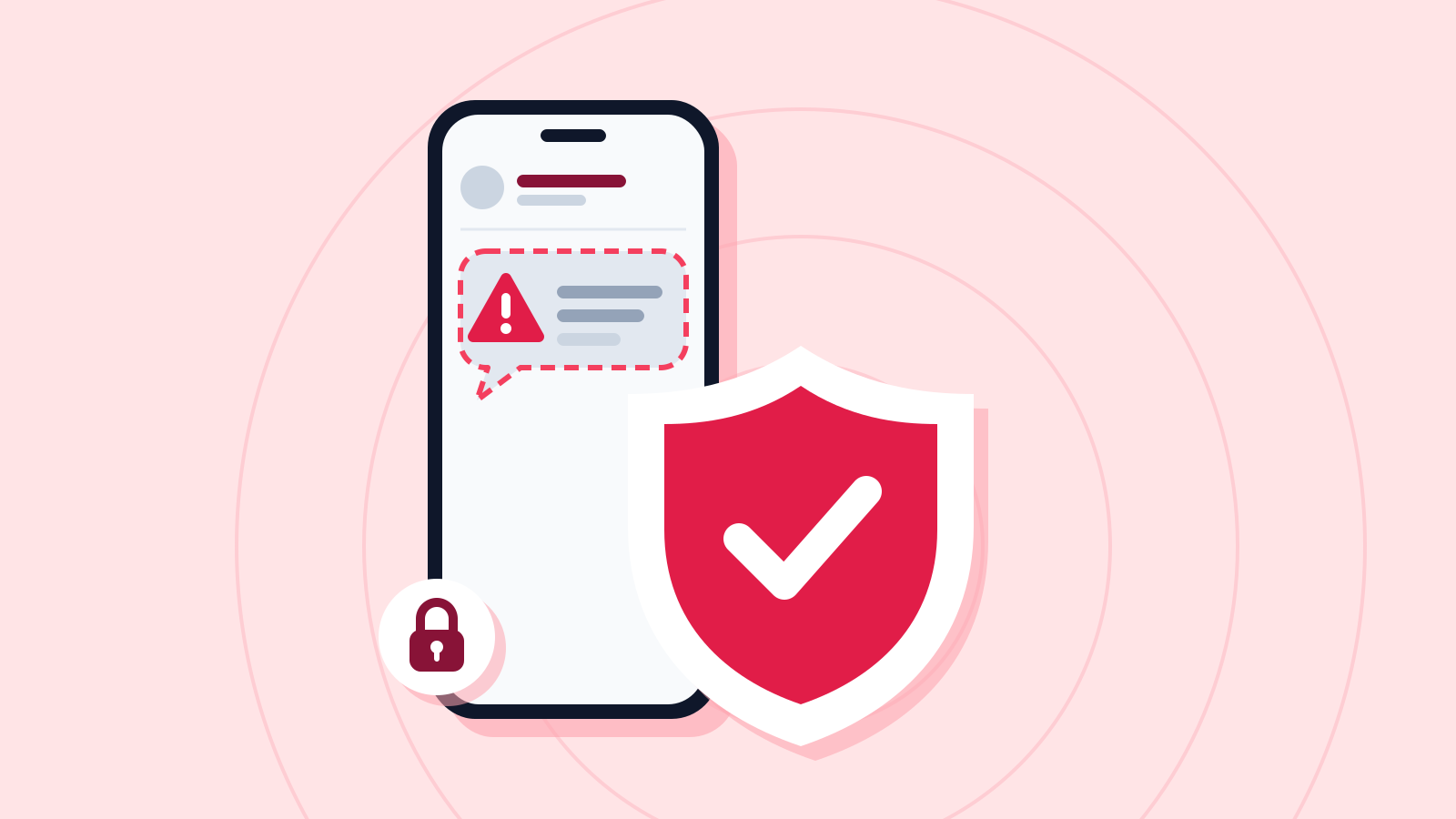
Google DeepMind said on October 14 that it worked with Singapore's Government Technology Agency (GovTech Singapore) to build an on-device AI model that catches scams while protecting privacy. In Singapore, scams such as investment fraud, fake job offers and impersonation of public officials make up over half of reported crimes and have caused more than S$4 billion in losses since 2019.
Scams have shifted from simple phishing to manipulating victims through convincing conversations before asking for money, and such scams now account for up to 80% of losses. Because generic models struggle with local tricks, the team fine-tuned Google's lightweight Gemma model on local scam conversations, from impersonations of public institutions, banks and local figures to trending regional schemes.
The model analyzes conversations on the phone rather than on servers, and when it detects manipulation it warns users to pause before sharing sensitive information or money. To save battery, a lightweight classifier first screens incoming messages, and Gemma examines a larger snapshot of the conversation only when something looks suspicious.
Fine-tuning took place in an isolated cloud environment managed by GovTech, using anonymized data derived from scam reports and no personal information. The model will be rolled out in apps in phases with the Singapore government and will analyze on-device conversations only with the user's consent. DeepMind said it will explore deploying similar technology in other countries but gave no timeline.
Why it matters
Judging conversations on the phone instead of on servers could be one way to protect users while keeping messaging end-to-end encrypted. It is also a notable example of a government and an AI company working together for the public good.
Who it's for
- Beginners
- Many scams now build trust through convincing chats before asking for money. If a conversation turns to transfers or login details, stopping to check is the surest defense.
- Developers
- Screening with a light classifier and calling the bigger model only for suspicious cases is a useful pattern for on-device AI that must save battery and cost.