Devin Bots launch to coordinate coding agents around ongoing goals
Edited and reviewed by AI Ping Editorial Team
3-line summary
- Bots delegate work to Devin sessions and collect decisions for human review.
- Sharing a Bot gives collaborators access to its conversation, memory and connected accounts.
- Usage normally bills to the creator, with plan-specific spending controls.

Cognition launched Devin Bots on November 17, extending its coding agent from individual assignments to ongoing engineering goals. A developer can ask a Bot to keep an Android app aligned with its iOS counterpart, while the Bot plans and delegates work across Devin sessions. It retains memory and tools, follows results and collects decisions that require human judgment.
The public price list includes Bots in Max at $200 a month and Teams at $80 a month. Enterprise access is available under a separate contract. Subscription fees and additional usage are accounted for separately. A shared Bot’s usage normally bills to its creator, even when other people direct its work.
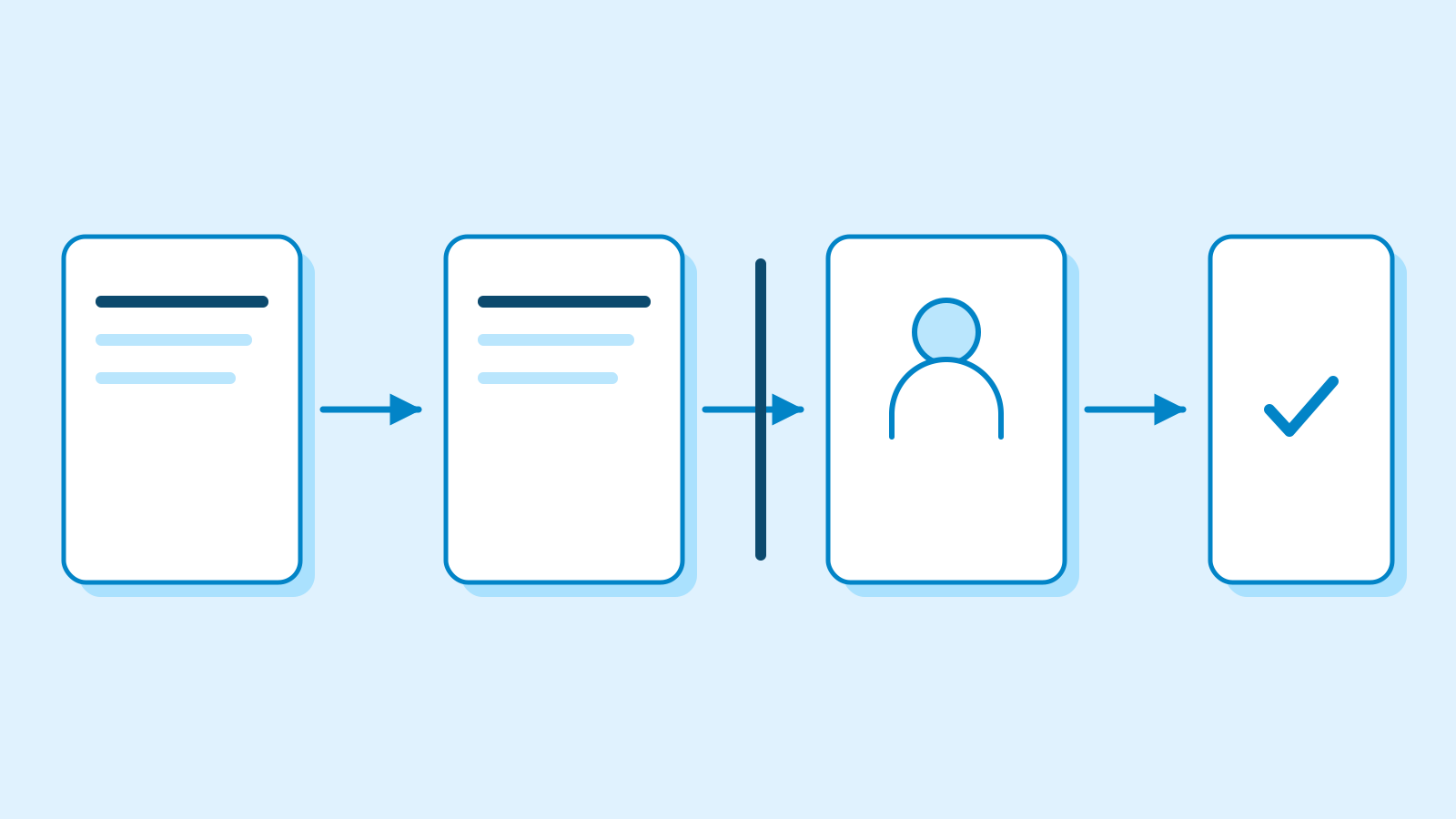
Each Bot has one conversation for the outcome it owns. Individual coding tasks run in child sessions, each with its own computer. The Bot monitors those sessions and uses their results to continue the work. Its Needs you list collects permission requests, decisions and pull requests awaiting review or merger. Engineers can open a child session to inspect that work directly.
Automations can start work on a schedule or in response to an event in a connected tool. Cognition’s examples include monitoring customer issues in Slack and checking continuous-integration health at night. Each Bot can have its own Slack app and handle, with settings governing who may message it and which channels it may join. The documentation warns that accepting outside messages exposes a Bot to prompt injection.

Sharing a Bot also shares its access and memory
New Bots are private to their creators. People added to a shared Bot can read its existing conversation, memory and child sessions, and direct work through accounts already granted to it. Use, configuration and sharing are separate permissions; one does not imply the others. Giving another Bot access also changes what people using that Bot can reach indirectly.
Child sessions use the Bot’s connections and secrets. Private Bots can pick up their creators’ existing sign-ins and plugins without a separate prompt. Shared Bots request approval before taking new personal access. A member’s sign-in remains usable only while that member belongs to the organization and retains the connection. Signing out or leaving removes that sign-in from the Bot. Granted access can be revoked in settings.
A dedicated Bot account is another option. Each connection uses one sign-in; switching away from another member’s working sign-in requires confirmation.
Templates provide a separate way to distribute a working approach. They copy instructions into a new private Bot, leaving the original connections, secrets, memory and conversation behind. Public templates include browser-based pull-request testing and migrations split into smaller changes. A Bot keeps its own prompt copy, so later edits to the template do not update existing Bots.
A public template link contains the full prompt and cannot be edited or revoked. Opening one creates no Bot by itself.

Usage includes the Bot’s conversation and every session it starts. On Max, that consumes the creator’s included quota and then on-demand credits, without a separate per-Bot limit. On Teams, creators or admins can cap a Bot’s on-demand spending in dollars. Reaching that cap still permits work while the creator has included quota.
Enterprise limits use compute units or dollars, depending on the contract. The documentation says a Bot’s limit stops it only when enterprise budgets and user limits are enabled.
In its internal Android project, Cognition reports 1,134 merged pull requests over 44 days and 183 messages from the responsible engineer. Those are company figures for one project. Cognition says people handled decisions including security review; the app is currently described as being in open testing on Google Play.
Sources
- Introducing Devin Bots: from tasks to outcomes — Cognition / Devin
- Devin Bots — Cognition / Devin
- Devin Bots overview — Cognition / Devin
- Access and security — Cognition / Devin
- Connections and secrets — Cognition / Devin
- Bot templates — Cognition / Devin
- Bot usage limits — Cognition / Devin
- Use a Devin Bot in Slack — Cognition / Devin
- Plans and Pricing — Cognition / Devin