Gemini Tasks go free in Korea and five other markets; calls and payments start in US
Edited and reviewed by AI Ping Editorial Team
3-line summary
- Tasks are rolling out without a paid AI subscription in six countries, including South Korea.
- Free and Plus schedules run up to once daily within a time window, with 10 active schedules.
- US payment confirmation is on by default; disabling it authorizes automatic purchases within set conditions.

Google began rolling out Tasks in Gemini free of charge on November 17 in South Korea, the United States, Japan, Canada, Australia and India. The update uses Gemini 4 Hydrogen to carry out multistep work in the background. Advanced features for calls, payments, texting and email are starting in the US.
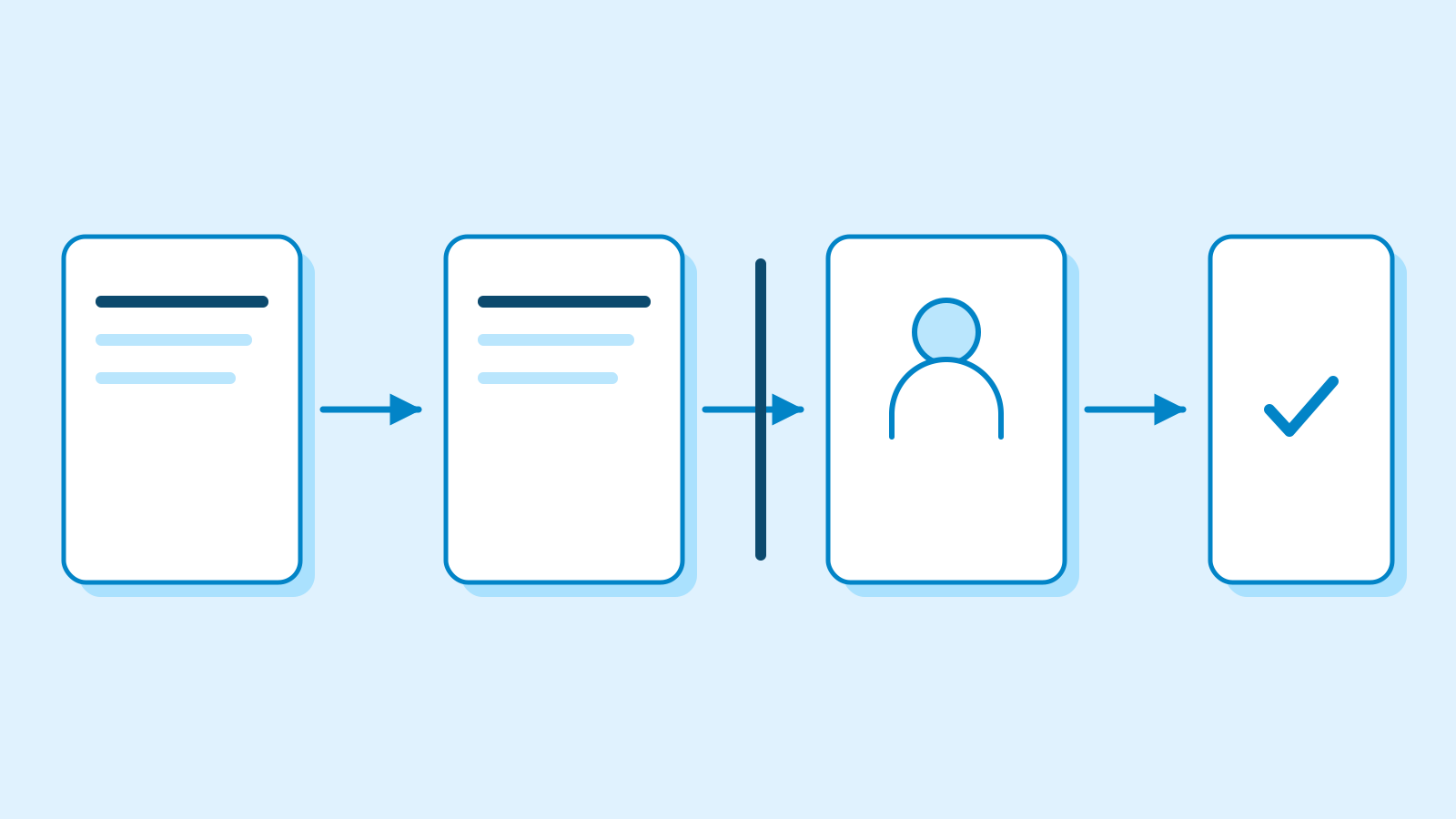
Tasks execute a user’s goal across connected apps and the web. Access requires a personal Google account, age 18 or older and History enabled. Work and school accounts are excluded. Google lists mobile, Mac and web access. A progress panel shows steps and outputs, with controls to redirect or stop a task.
Free users and Google AI Plus subscribers can schedule tasks up to once a day within a broad window: overnight, daytime or evening. Pro and Ultra support precise times, more frequent runs and triggers based on matching Gmail messages or changes in monitored topics.
Active schedules are capped at 10 for free and Plus accounts and 50 for Pro and Ultra. Up to 15 tasks can run concurrently; a full queue prevents a scheduled run. Compute consumption depends on the number and complexity of tasks. Gemini warns as limits approach and indicates their refresh time when reached. Google says high demand can restrict compute-intensive features for free accounts before paid accounts.

Calls, payments and messaging start in the US
The calling feature can contact multiple US businesses about availability or appointments. Users can review and approve a call plan, then receive a summary and full transcript. Gemini identifies itself as AI; businesses can opt out. Calling currently excludes Indiana, Louisiana, Minnesota, Montana and Nebraska.
Purchases and payments require a US personal account, age 18 or older, English and a payment method in Google Wallet. The detailed help page allows a budget up to $1,000 and an expiration within 14 days. Purchase confirmation is on by default, letting users review the prepared order. Turning it off authorizes completion when the stated conditions are met, without another confirmation notification. Gemini may use a virtual card number.

Texting requires a US-based personal account, English and a US number on an eligible carrier. Android users need RCS in Google Messages. Text conversations can create tasks, request updates and steer ongoing work. Google says these messages lack end-to-end encryption and may be accessible to carriers. Deleting Gemini activity leaves messaging-app and carrier records intact.
Email creates a new task when sent to gemini@google.com from an eligible US personal Gmail account. Apple Mail and Outlook can work when connected to that account using Google sign-in. A reply supplies the task link. Emailing a status question creates another task; automatic forwards and messages from non-Gmail, work or school accounts are unsupported.
Permissions cover browser use, app changes and sensitive information sharing. Depending on the action, users can grant one-time or thread-level access, or save an Always allow preference for future tasks. Connected-app settings separately control actions that read, create or delete information, defining what Gemini may do with the connected material.
Google says browsing and code execution use hardware-isolated cloud virtual machines by default. Additional checks inspect external content for hidden instructions, restrict outbound destinations and review commands, file changes and external actions. The company also acknowledges that tasks can fail or miss the request. Some websites require a handoff for the user to complete the final action.
Sources
- Put Gemini to work for you — Google
- Manage your tasks & workflows in Gemini Apps — Google Gemini Help
- Create & manage schedules for tasks in Gemini — Google Gemini Help
- Gemini Apps release updates: November 17, 2026 — Google
- Make purchases & payments with Gemini Apps — Google Gemini Help
- Assign & track Gemini tasks through text message — Google Gemini Help
- Assign & track Gemini tasks through email — Google Gemini Help
- Manage browser & app permissions for tasks in Gemini — Google Gemini Help
- How Gemini’s defense-in-depth approach works — Google
- Gemini Apps limits & feature availability — Google Gemini Help