ChatGPT healthcare agents take on referrals across existing software
Edited and reviewed by AI Ping Editorial Team
3-line summary
- OpenAI said on November 16 that its healthcare offerings can now run agents that operate hospital and insurance software.
- CVS Health uses the technology for document transmission and referrals. Organizations can decide which apps agents access and where people review their work.
- The organization edition adds more than 20 healthcare plugins. Verified U.S. clinicians with individual accounts can use a subset.

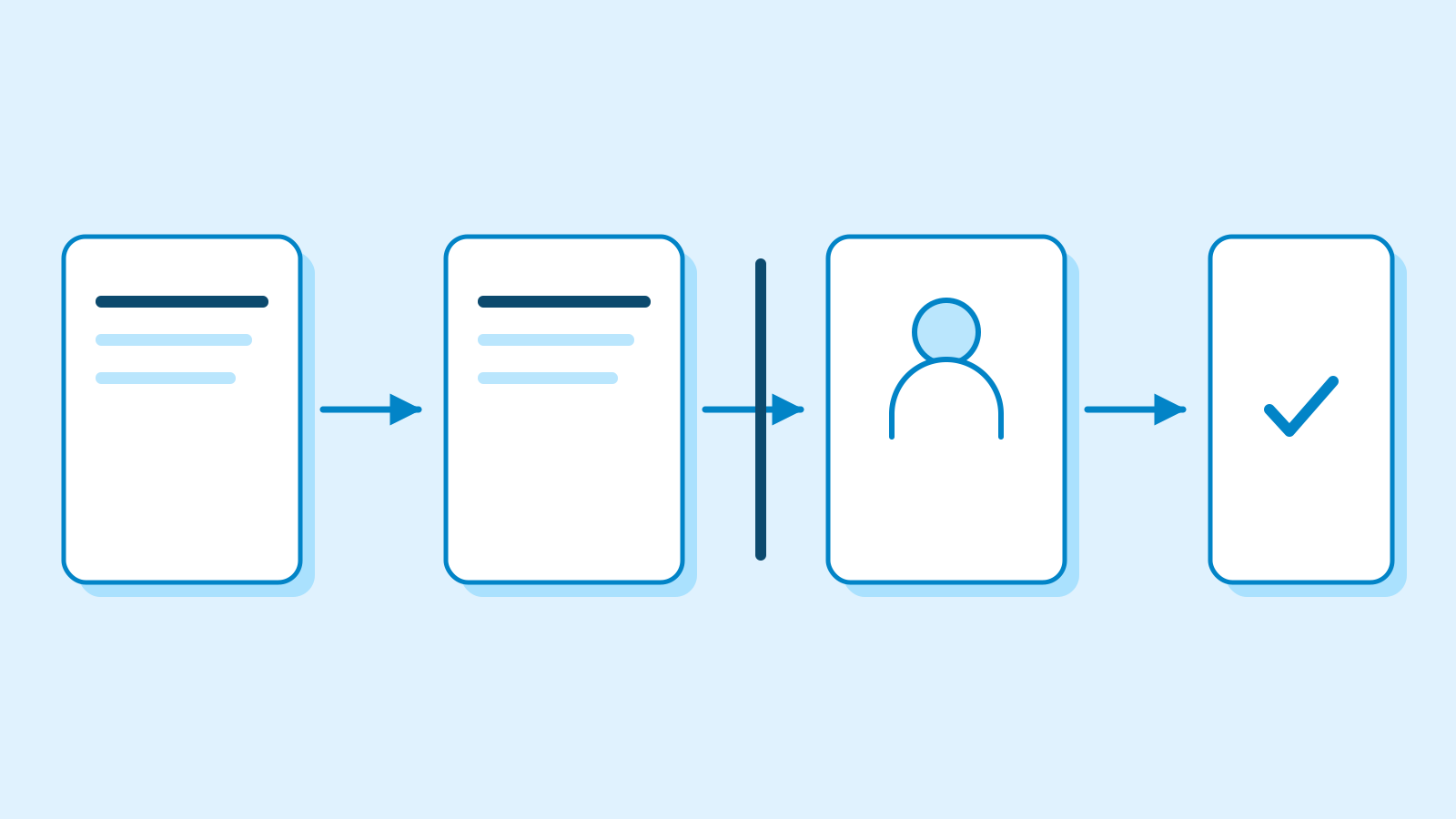
OpenAI said on November 16 that healthcare teams can now use AI agents that operate the hospital and insurance software they already work with. The agents can read screens, click and enter information. A referral that requires a staff member to find supporting documents in one system and move them into another is one example. Organizations can set which applications an agent can open and which steps require someone to review its work.
Organizations on ChatGPT for Healthcare can get the capability in ChatGPT Work and Codex, subject to their workspace settings. Verified U.S. clinicians can access it through the free individual edition, ChatGPT for Clinicians. Developers can access computer use through the OpenAI API. OpenAI’s individual plan guide directs organizations that need centralized administration and a multi-user data agreement to the organization edition.
CVS sends documents and Cigna pulls records together
CVS Health names document transmission, referral processing and support for specialist consults as uses for the technology. It says some steps still take place on a screen even when the applications have ways to exchange data. In one deployment OpenAI described, CVS used an agent to clear a backlog of document transmissions over a weekend.
The CVS toolkit describes two stages. An agent first explores the workflow and records its actions and screenshots. CVS then uses the record to turn a repeatable sequence into code that can run without asking a model to reason through every step again. The kit covers work in browsers and Windows applications.
Cigna’s September partnership announcement identified the work of gathering scattered information for nurses and case managers. In the November update, OpenAI said Cigna staff had previously searched more than ten systems for details such as coverage, appointments and past interactions before contacting members. The agent helps assemble information for those conversations. The members’ treating providers set their care plans.

A human checkpoint before submission
An Ambience demonstration shared by OpenAI showed an agent that prepared a prior authorization request for an insurer. It asked a clinician when the record was unclear and waited for approval before submitting. The example illustrates a workflow configured with that checkpoint. A healthcare organization can set the actions it permits and decide where review or approval is required.
OpenAI tested GPT-6 Astra on tasks modeled on clinicians’ electronic health record inboxes. It reported that reviewers deemed 99% of 325 reviewed tasks safe, judging whether omissions, inaccuracies or actions could plausibly harm a patient. That percentage describes the reviewed work in the evaluation. The announcement gives no measure of patient outcomes or of the incident rate across a hospital deployment.
OpenAI used another benchmark for administrative work. Stanford researchers built HealthAdminBench around 135 tasks covering prior authorizations, equipment orders and appeals. The simulated environments include an electronic health record, two insurer portals and a fax system. Scoring uses multiple criteria, including the state an agent leaves in a system.

More plugins, with limits on access to patient data
The same update adds more than 20 plugins to ChatGPT for Healthcare, including tools for checking insurance eligibility or finding the specialist on call. Individual clinician accounts get a subset. OpenAI says it has also improved how both healthcare editions find, evaluate and cite clinical evidence.
The existing connection to Epic records has its own rules. The Epic integration OpenAI introduced in September reads records in approved organization workspaces under the permissions users already have in Epic. The company’s help center says the Epic plugin is unavailable to individual clinician accounts. Access to a record through that plugin and permission for an agent to take action in an application are set separately.
For workflows involving protected health information, OpenAI says customers need an eligible service covered by a Business Associate Agreement and the required security and retention settings. Organizations also need to extend protections to connected systems. Its help center says the appearance of a plugin in a workspace alone does not establish that a particular use or an outside service is covered.
Sources
- November 16 ChatGPT healthcare product update — OpenAI
- Computer-use agents, deployments and evaluations — OpenAI
- ChatGPT for Healthcare and existing Epic access — OpenAI Help Center
- ChatGPT for Clinicians eligibility and account scope — OpenAI Help Center
- Eligible healthcare functions and agreement scope — OpenAI Help Center
- September Epic and healthcare data integration — OpenAI
- Healthcare administration benchmark and task scope — Stanford Shah Lab
- CVS toolkit and the two stages of workflow automation — CVS Health
- September care management and OpenAI partnership announcement — The Cigna Group
- HealthAdminBench paper and its four simulated environments — Bedi and colleagues