LG Uplus plans 2027 business to cut the cost of AI tasks
Edited and reviewed by AI Ping Editorial Team
3-line summary
- LG Uplus plans a 2027 enterprise business that uses model selection and computing changes to reduce the cost of completing AI tasks.
- In one internal coding comparison, the carrier says switching to an in-house model cut operating costs by about 90%.
- Separate tests measured savings from routing tasks between models. The company has yet to disclose customer prices or a sales start date.

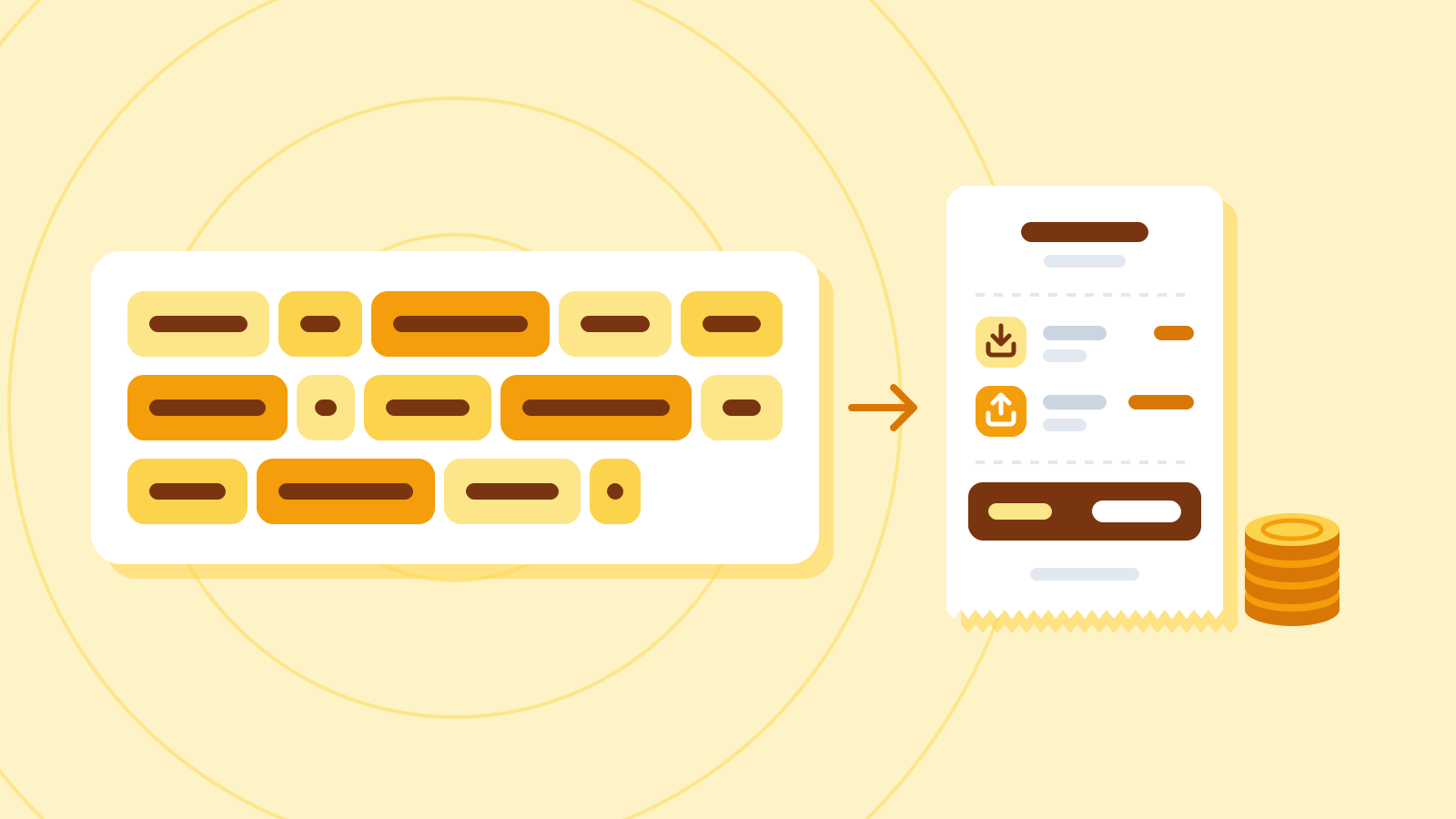
LG Uplus plans to start an enterprise business in 2027 to reduce what customers spend to complete a task with AI. In a Nov. 16 release describing a briefing held four days earlier, the South Korean carrier said it would combine software that selects models with changes in how the underlying chips handle requests. It plans to work with partners and build infrastructure of its own.
The carrier disclosed one large saving in internal software development. It says replacing a commonly used model with its own in a coding task reduced operating costs by about 90%. Its release leaves out the name of the comparison model, the sample of jobs and the quality measure. It gives no customer rates or date for sales to begin.
What goes into the cost of a completed task
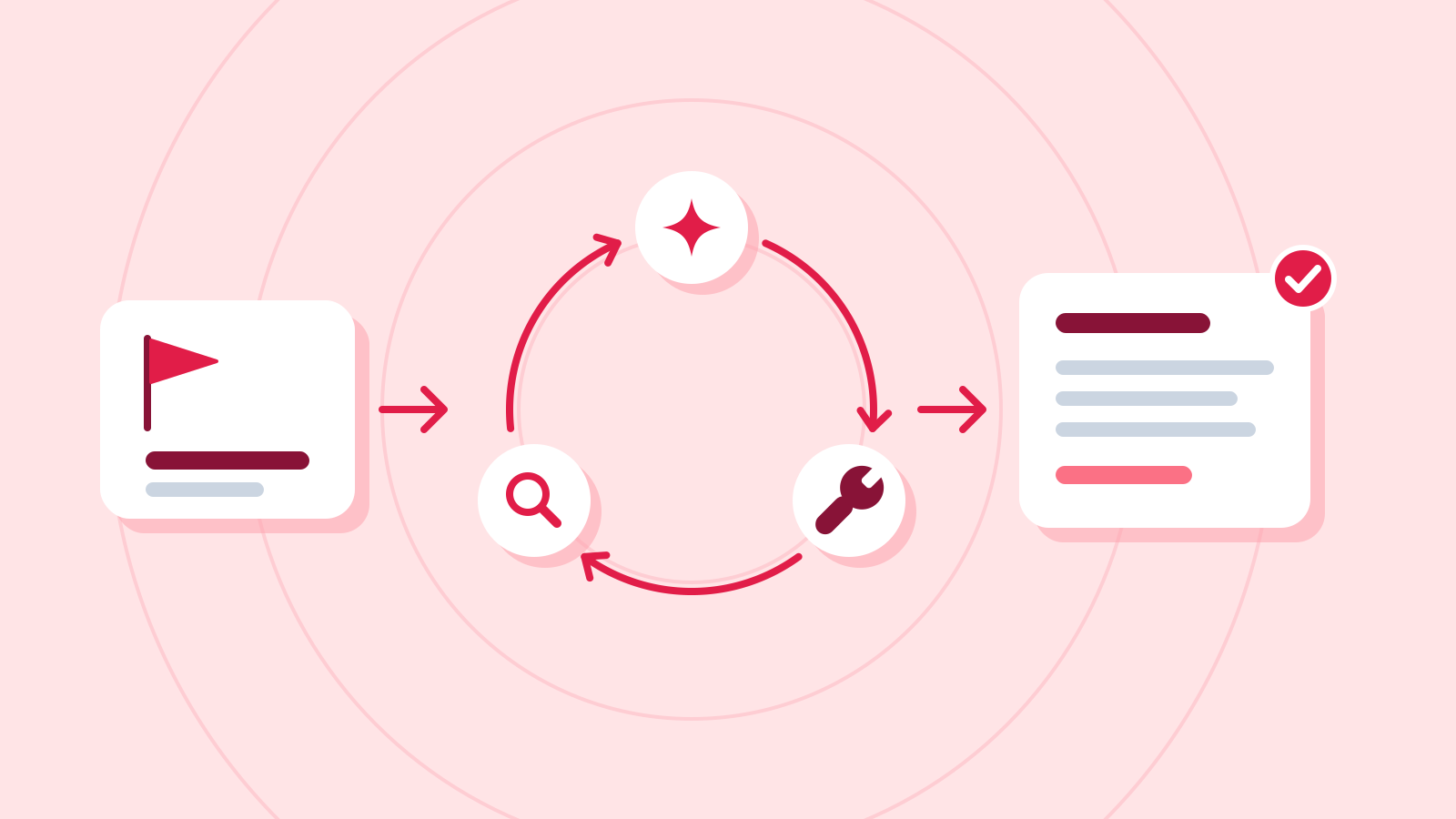
A token is a unit of data an AI model processes as it reads an input or produces an output. Give a coding agent a change to make and it may read files, run a test and send the result back to the model. A failed test can trigger another round. Even a cheap model call can add up when the agent repeats it. LG Uplus says its effort covers both which models handle requests and how often an agent repeats a search or check.
In separate tests, the company says routing tasks between models reduced the cost of answering general questions by at least 25% and the cost of a coding agent by at least 30%. Those tests measured the effect of choosing a model by task. The roughly 90% figure came from the coding comparison that used an in-house model. The figures come from different trials, so they cannot be combined into a single savings estimate.

Different hardware for reading and writing
Processing a long prompt takes substantial computation upfront. After that, writing each part of an answer can depend on how fast the chip retrieves information from memory. AWS explains that splitting the two stages lets operators allocate capacity to each independently, with a trade-off. The system has to move the intermediate results from the hardware that reads the prompt to the hardware that writes the answer.
LG Uplus says it is matching GPU resources to these workloads and is testing processors from South Korean chipmaker FuriosaAI. The carrier had already described a change in how it assigns equipment in April. It connected its own GPUs to a cloud-managed system so developers could draw on a pool of capacity when needed. The November plan also addresses which hardware handles each part of an AI request.

The project also looks at how a single model produces a response. A technique called speculative decoding lets a smaller model propose several pieces of text for a larger model to check together. The method, described at the International Conference on Machine Learning in 2023, can cut the number of separate rounds needed on the larger model. The speed benefit depends in part on how often its proposals are accepted. LG Uplus reports more than doubling token generation speed with related work. That figure measures output speed during generation.
The carrier points to ixi-O, its app for tasks such as summarizing phone calls, as a setting where it gained experience operating different models. In September 2025 it announced a smaller EXAONE-based model for the app, intended to run on phones for tasks such as writing a one-line recap or extracting keywords. It also reported a test that moved processing from a phone’s CPU to its neural processor. On Nov. 16 LG Uplus said ixi-O had initially used an on-device model and Google Gemini and that the carrier subsequently adjusted the mix of models it uses, including EXAONE and its own models.
LG Uplus says it also runs the models for Everyone’s AI, a public service it is building with Kakao. Kakao described KakaoTalk and calls as access points in August. In its Nov. 5 earnings release, Kakao said it still planned to launch that service by the end of 2026. LG Uplus placed the separate enterprise cost-reduction business in 2027.
Sources
- 11월 16일 기업 사업 계획과 내부 비용 시험 · Enterprise plans and internal tests — LG유플러스 / LG Uplus
- 질문 처리와 생성에서 필요한 자원 · Resources for prefill and decode — Amazon Web Services
- 추측 디코딩의 원 논문 · Fast Inference from Transformers via Speculative Decoding — Leviathan, Kalman, Matias / ICML
- 4월 자체 GPU와 클라우드 연계 운영 · April hybrid infrastructure case — LG유플러스 / LG Uplus
- 익시오에 쓰기 위한 엑사원 모델 개발 · Smaller EXAONE model for ixi-O — LG유플러스 / LG Uplus
- 모두의 AI 사업 선정과 이용 경로 · Everyone’s AI consortium and access plans — 카카오 / Kakao
- 11월 5일 모두의 AI 출시 계획 · November release schedule — 카카오 / Kakao