World Labs opens Atlas to turn photos into 3D scenes for Blender
Edited and reviewed by AI Ping Editorial Team
3-line summary
- World Labs opened the Atlas web tools and developer API to the public on November 12.
- Viewfinder builds new views and camera moves from images. Chisel starts with a rough 3D layout.
- The API charges $0.50 per successful draft SPZ reconstruction or $5 for a refined run. Blender 5.3 can open SPZ files.

World Labs opened its Atlas world model to the public on November 12, allowing users to turn photographs into 3D scenes they can explore from new viewpoints. The company introduced Atlas in September with access limited to selected partners. Users can now sign in to a web tool to reconstruct scenes and render a camera move, while developers can access the model through an API.
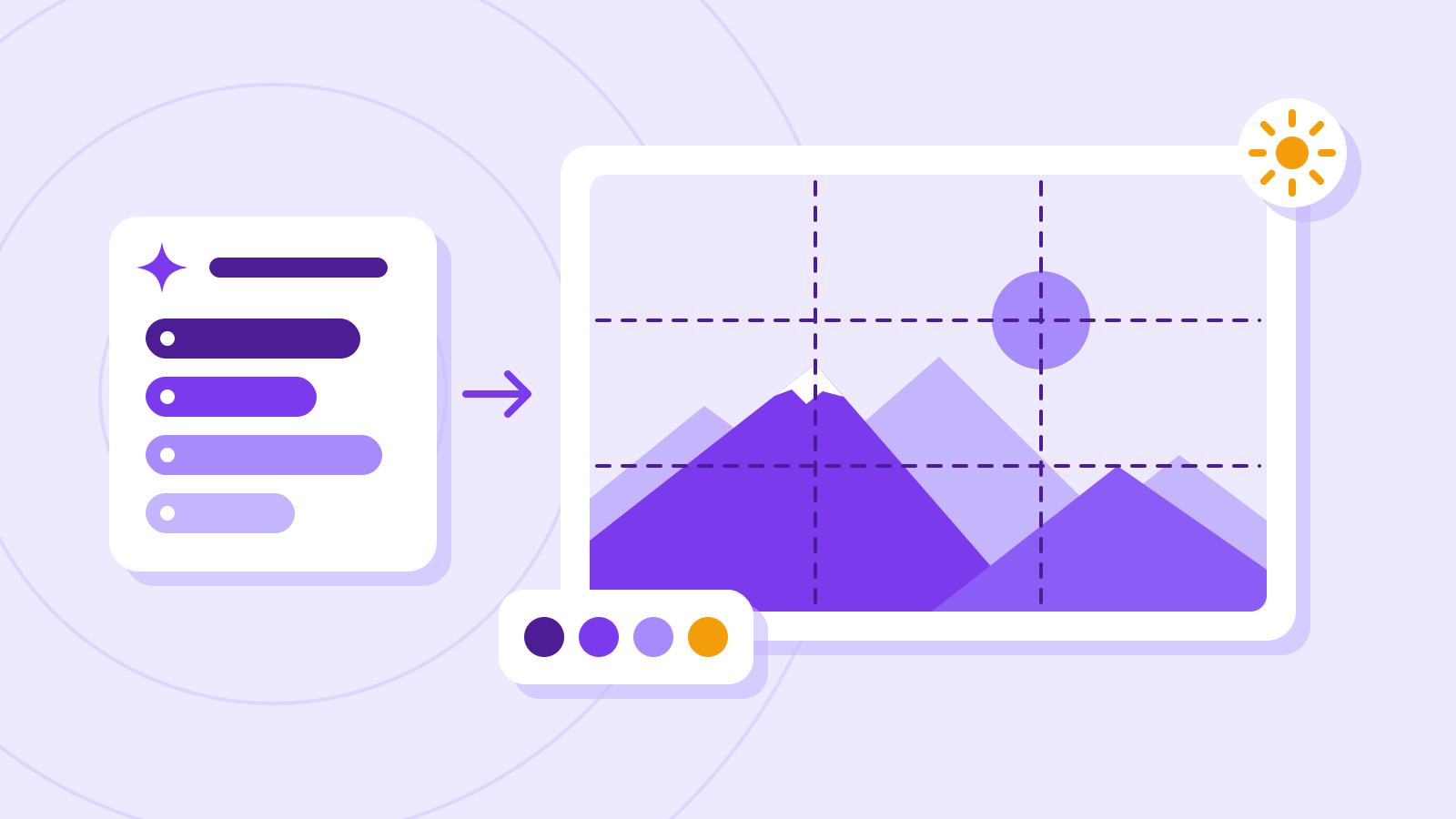
World Labs lists three outputs: still images, video clips and 3D files that can be viewed again from another angle. A team planning shots can generate different views of the same set. A team that needs the scene itself can bring a Gaussian splat file into Blender. World Labs lists two ways to get started. Viewfinder works from a photograph or generated image, while Chisel begins with a rough 3D layout.
What the camera sees beyond the photo
Viewfinder reconstructs a scene from images and lets users move the camera through it. In the developer documentation, the process starts by estimating where the camera was, which way it pointed and how far surfaces were from it. Photos of the same room taken from several positions give Atlas more information about how that room is laid out. To produce a clip, it renders successive views along a camera path and assembles them in sequence.
A move beyond the part of the room captured in the source image requires the model to fill in what the camera could not see. In a documented World Labs example, Atlas took one image of a potter’s studio and generated seven new views around the worktable. The company identifies the far side of the wheel, the wall behind the original camera and the doorways as generated details. That makes the additional views useful for framing a shot. The position of a wall or the shape of a doorway outside the source photo is the model’s estimate.

Building the layout before styling it
Chisel gives users a way to set the layout with simple 3D shapes before generating the look of a scene. Moving an object in that rough layout updates the camera views. In a company example, the same chapel geometry guided one scene in late-afternoon light and another in snow at dusk. The developer documentation describes how depth information guides the layout while the user specifies the appearance. A designer can start with the arrangement of a set or room before any photographs of it exist.
A Gaussian splat represents a scene with many small, partially transparent shapes positioned in space. An SPZ file stores that representation. World Labs also lists a tool that converts splats into a surface mesh for work such as building a game environment. Blender 5.3, released on November 10, can import splats from SPZ and PLY files as point clouds and render them. World Labs offers a separate extension for requesting Atlas generation and editing from within Blender.

What a 3D reconstruction costs through the API
The documented task that builds an SPZ file needs images with camera positions, orientations and depth data. World Labs lists two to 32 frames for a draft and two to 512 for a refined reconstruction. A successful draft costs 500 credits, or $0.50, and the default refined run costs 5,000 credits, or $5. Failed runs of this task are free. The prices cover the SPZ reconstruction task. A pipeline that estimates depth and generates additional views before building the file can incur charges for those successful tasks too.
The public Viewfinder link leads to a sign-in page, and the developer API uses project keys. World Labs has yet to publish numerical limits for submissions per minute or hour and for simultaneous jobs. The rate-limit documentation says tasks submitted in the browser and through the API count toward the same account limits.
Sources
- Atlas: Next generation world model · November 12 public launch — World Labs
- Atlas product page · Viewfinder, Chisel and public tools — World Labs
- September 1 Atlas introduction and partner access — World Labs
- Build a scene from images · new viewpoints and coverage — World Labs
- Make a video · camera paths and frames — World Labs
- Build and edit scenes with AtlasChisel — World Labs
- Posed images to splats · SPZ output, prices and frame limits — World Labs
- Blender integration and native splat import — World Labs
- Account limits shared across the web app and API — World Labs
- Posed RGBD generation · separate tasks and charges — World Labs