Viggle Remake releases video-editing weights with territorial limits
Edited and reviewed by AI Ping Editorial Team
3-line summary
- The release edits people and scenes while retaining source motion, camera and audio.
- The public weights’ standard license excludes South Korea, the US, the UK and the EU.
- The release includes compressed weights and ComfyUI workflows for local editing.

Viggle AI has released the weights and tools for Viggle Remake, a system for changing people, objects and settings in existing footage. In its November 4 release materials, the company says it preserves the source motion, camera and soundtrack. It offers both an app workflow and downloadable files for running the model on local equipment. The earlier Viggle-Animate focused on character replacement; Remake adds object insertion or removal and changes to weather or lighting.
The public weights follow the MiniMax H3 Community License. Its standard territory excludes South Korea, the United States, the United Kingdom and the European Union. The document invites people in excluded territories to contact MiniMax about a deployment license. Those geographic terms accompany the downloadable release.
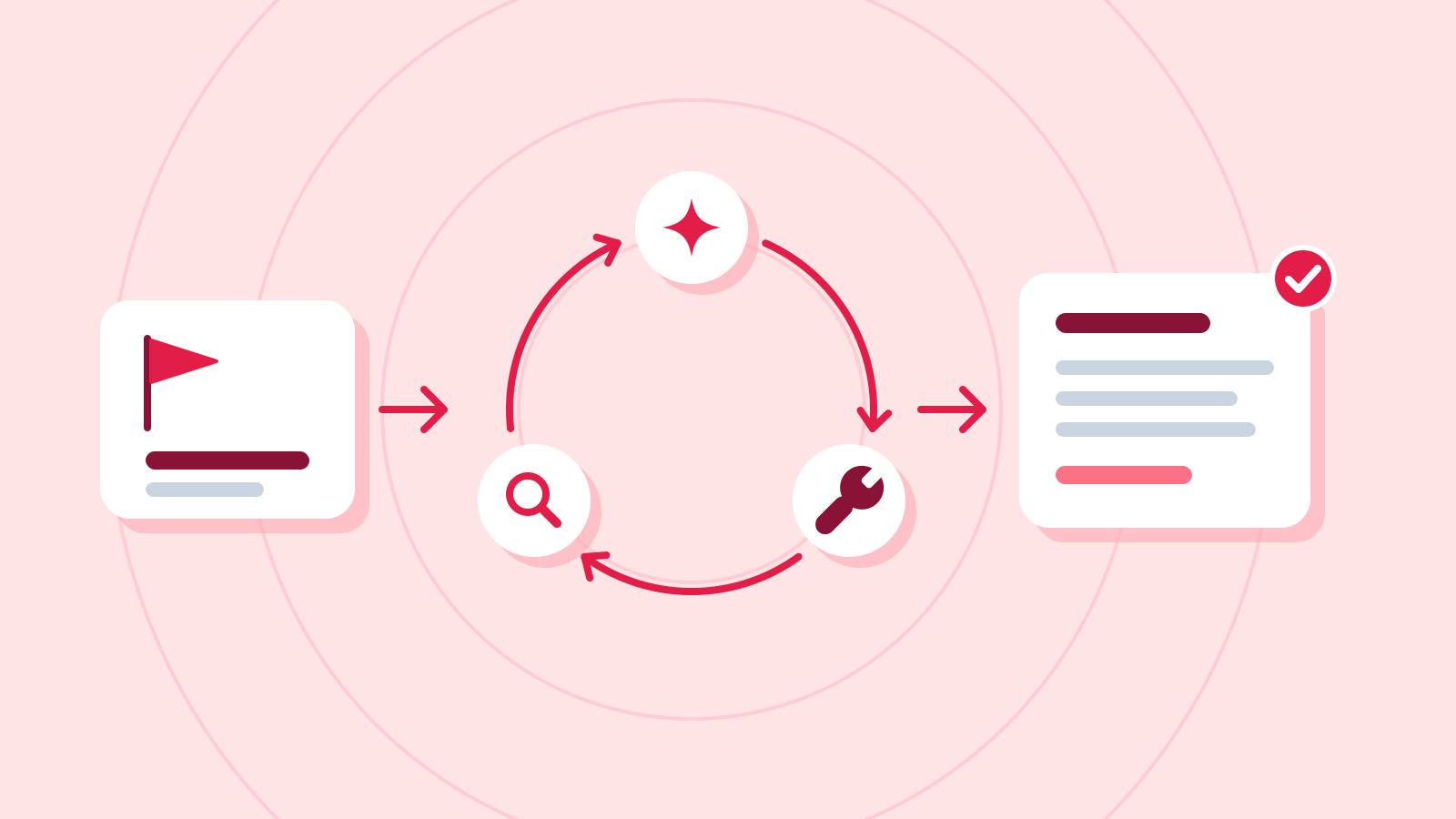
Repainted reference frames determine the replacement character or changed scene. Users supply one to four images showing the intended appearance, while a structured prompt describes the target video and what should remain. Built on MiniMax H3, it applies separate additional weights for character replacement and other scene edits.
References can be pinned to their original frame positions, fixing the composition at those moments. Viggle recommends this for cuts or composition-sensitive shots, adding another reference when a character turns or someone enters. Its evaluated prompts use a six-part format; free-form prompting remains untested, according to the guide.

For longer footage, an accompanying agent workflow splits the film into render windows. The agent selects keyframes, arranges image painting, writes scene prompts, queues renders, reviews takes and assembles the result. GPU workers perform the renders; the server handling the editing queue itself needs no GPU.
A supplied music-video example records an end-to-end run of roughly two minutes of footage: 86 minutes on two workers and 81 image calls. That run used a Codex subscription’s image allowance. The alternative image-API backend incurs API charges, while rendering consumes the operator’s own GPU time.
Smaller-memory tests used a constrained B200
The ComfyUI release includes compressed int8 and GGUF files. Its 12GB configuration was tested by occupying the remaining memory of a B200 with another process. Viggle notes that real smaller cards may choose different defaults. The 12GB test covered 832×480 output; 1280×736 was untested at that memory setting.
On one B200, with models already loaded, a 226-frame render at 832×480 using two pinned references took about 95 seconds in ComfyUI and 58 seconds in the reference script. These are company measurements for a short render window, a different scope from the complete two-minute editing run.

Viggle lists failures involving non-humanoid characters in long takes, small visual details and mistimed cuts when multi-shot footage lacks pinned references. Output retains the original soundtrack. The model cannot verify the identity or consent of people depicted in painted references, the model card states.
The execution code carries Apache 2.0 separately. The weights’ H3 license requires prior written authorization for commercial products and services exceeding $20 million in annual revenue, plus prominent MiniMax H3 branding in commercial interfaces. Redistribution carries license-copy and modification-notice conditions; neither license grants rights to example footage or depicted likenesses.
Sources
- Viggle Remake release and editing scope — Viggle AI
- Viggle Remake model card — modes, source audio and limits — Viggle AI
- Painted reference frames and prompt format — Viggle AI
- Agent workflow, workers and complete example — Viggle AI
- ComfyUI — memory emulation and timing conditions — Viggle AI
- MiniMax H3 Community License — territories and commercial terms — MiniMax / Viggle release
- Apache 2.0 code license — Viggle AI
- Modified files — new adapters, compressed weights and workflows — Viggle AI