NVIDIA releases a 40-language model for recordings, translation and speaker labels
3-line summary
- Nemotron 3.5 Transcribe weights are available.
- Korean transcription, English translation and speaker attribution are supported.
- An Agora classroom demonstration uses word-timed transcripts.

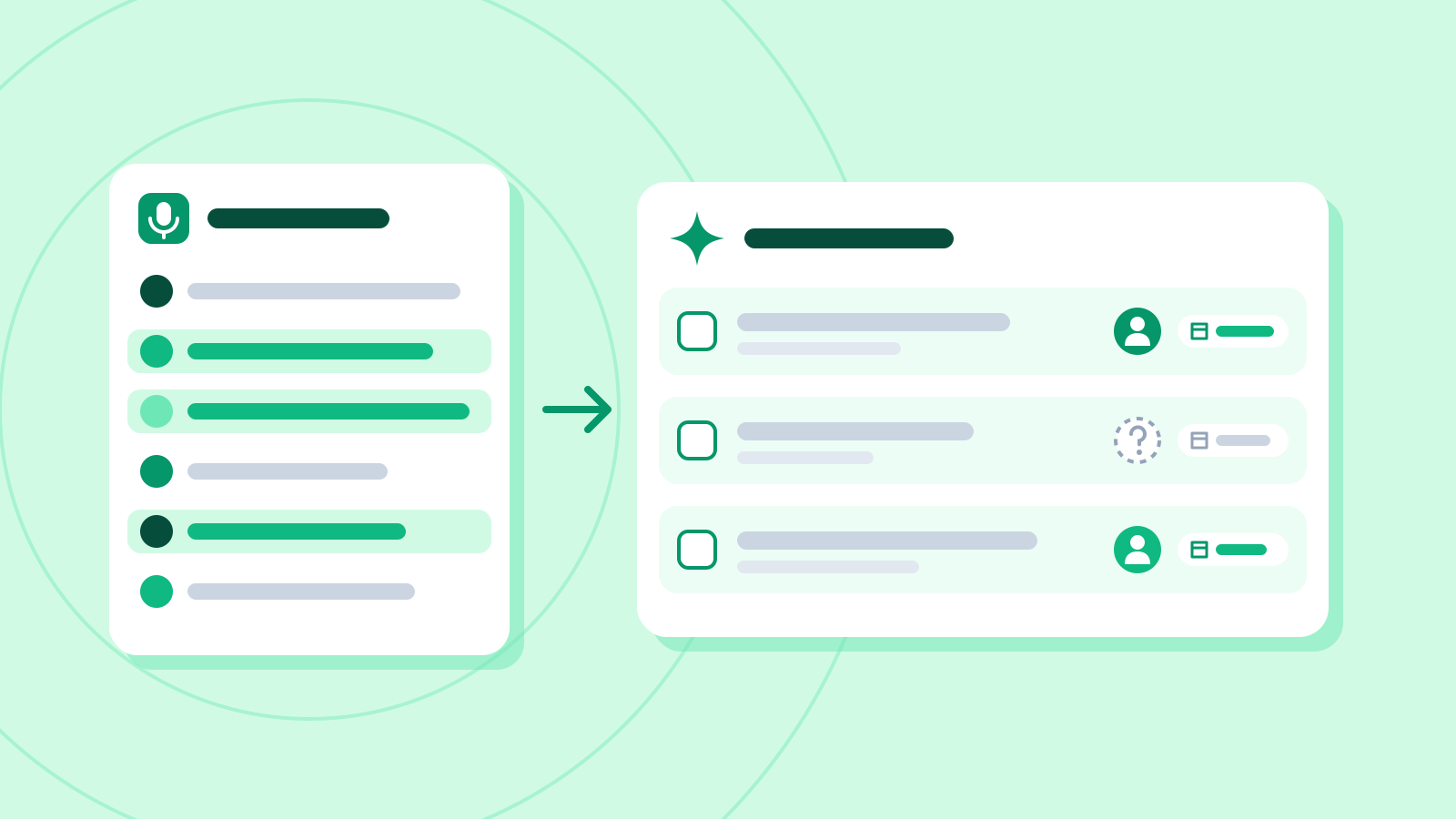
NVIDIA released Nemotron 3.5 Transcribe on October 28, combining transcription, translation, speaker attribution and audio questions in one open-weight model. It transcribes 40 languages, translates 31 to or from English, and supports speaker attribution in 13. Recordings can last an hour, with up to eight speakers distinguished.
Korean supports transcription, English translation, speaker attribution and mixed-language recordings. Downloadable weights let developers choose where audio is processed. The checkpoint works offline; audio reasoning and spoken instruction following were evaluated only in English.
Instructions select verbatim text, readable transcripts, speaker labels or translation. Vocabulary hints can guide spellings when supported by the audio. NVIDIA also released Granary v2 data and adaptation tools for domain vocabulary and accents.
The technical report describes combining speech-content representations with speaker-activity information. Training pairs audio with different task instructions, followed by a short reinforcement-learning stage targeting transcription accuracy. Understanding sound and music supports transcription; the team says it did not optimize this specialist checkpoint to compete as a general-purpose assistant.

From recorded files to service integration trials
Inflection AI described work on future Pi group conversations. Its pipeline separates speakers and their words, addressing overlapping voices merging into one transcript. The new model is being evaluated to extend language coverage within that speaker-aware system.
Early experiments use short segments. Engineers are building buffering and transcript-handling logic for streaming integration, comparing accuracy, latency and cost against their pipeline. Inflection cautions that the published comparison uses different conditions. Public Pi releases remain ahead, without a specified date.
NVIDIA separately documented a domain-adaptation experiment on Indian English medical speech. It split recordings by speaker, using 855 clips to select prompts and checkpoints, then 2,764 held-out clips for evaluation. Under the same scorer, word error rate fell from 22.44% with the best-prompt baseline to 12.17% after fine-tuning.
Training combined synthesized medical speech with real lectures, interviews and regional accents, varying written conventions for numbers, units and medicines. Results had limits: a specialist comparator retained better exact matches for brand-name drugs and diagnostics. General-English error rate rose from 1.54% to 1.69%, alongside the domain gains.

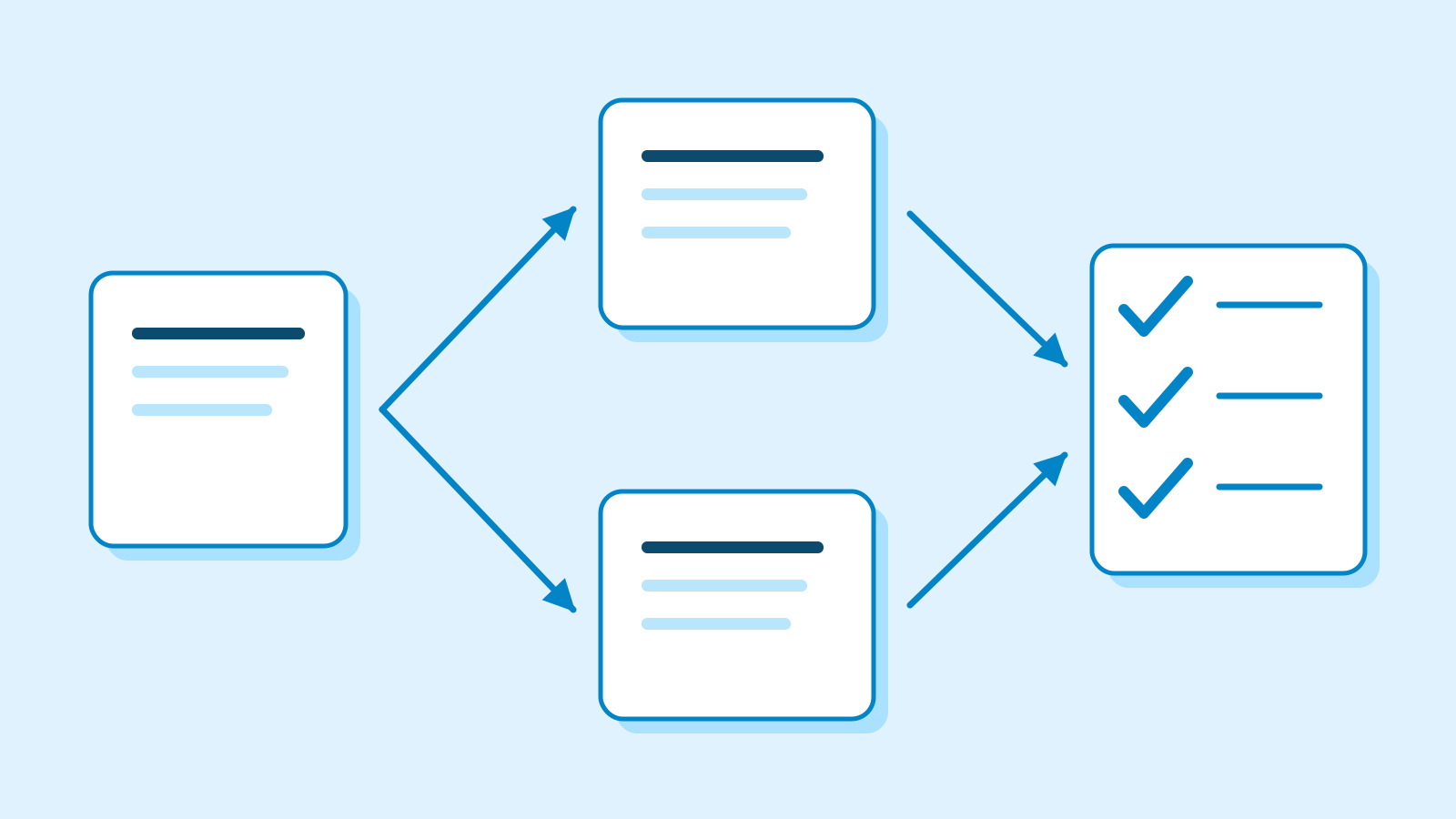
Agora demonstrated revisiting completed classes. Its classroom demo delivers video, audio and shared content live while recording in the browser. After class, it sends audio to NVIDIA’s early-access model and displays the word-timed transcript beside the replay, separating live delivery from post-session processing.
Timestamps connect words with lesson moments. The creator describes term search, jumping to explanations and recaps as possible subsequent tools. Agora distinguishes its broader broadcast ambitions from this demo: the implementation has not been validated at the large audience scales discussed in its post.
Weights ship in BF16, FP8 and NVFP4. Including the audio encoder, the card counts 34 billion total parameters, approximately 4.3 billion active. OpenMDW 1.1 covers commercial and noncommercial use. Its serving example uses one 80GB H100.
Sources
- Nemotron 3.5 Transcribe and Granary v2 — October 28, 2026 — NVIDIA / Hugging Face
- Nemotron 3.5 Transcribe model card — release October 28, checked October 28 — NVIDIA
- Building multi-speaker capabilities with NVIDIA models — October 28, 2026 — Inflection AI
- Medical ASR from a test-only benchmark, with synthetic data — checked October 28 — NVIDIA NeMo Speech
- How Live Teaching Can Become a Lasting Learning Resource — October 28, 2026 — Agora
- Nemotron 3.5 Transcribe Technical Report — October 28, 2026 — NVIDIA